ADM expands plant-protein toolkit with eight soy and pea ingredients
ADM is turning plant protein into a real toolkit, adding soy and pea ingredients that solve texture, solubility, and sourcing headaches across more categories.
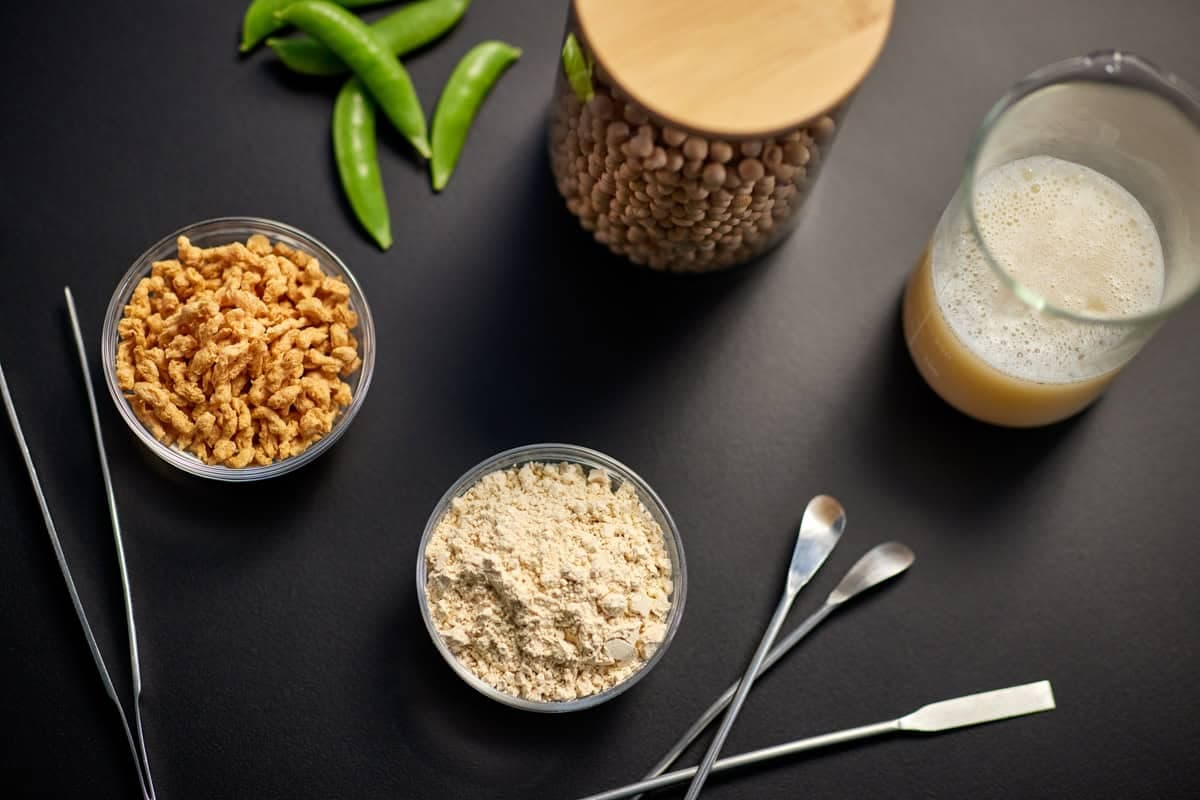
ProFam 883: the beverage isolate that needs to disappear into the formula
ProFam 883 is ADM’s answer for developers who need protein in beverages and powders without dragging the whole system down with chalkiness or grit. A soy protein isolate in this role has one job: carry protein load cleanly, blend fast, and keep the drink or powder mix from tasting like a compromise.
That may sound basic, but it is where a lot of plant-protein launches stumble. When ADM puts a dedicated isolate into beverages and powders, it is signaling that the market is past the era of one-size-fits-all protein and into a more exacting phase where dispersion, taste, and mixability matter just as much as the number on the label.
ProFam 894: built for cultured texture, not just protein count
ProFam 894 is aimed at Greek-style yogurt alternatives, yogurt drinks, and other dairy alternatives, which tells you exactly where the pressure is: texture and stability under acidic, cultured conditions. These formats are unforgiving, because an ingredient that works in a shake can turn thin, grainy, or pasty once it meets fermentation or refrigeration.
That is why a soy protein isolate targeted this way matters. ADM is not simply pushing protein into dairy alternatives; it is trying to help formulators hit a real spoonable or drinkable texture while still getting the protein target they need for a competitive label claim.
Arcon IH: a lower-viscosity concentrate for meat-style structure
Arcon IH is a lower-viscosity soy protein concentrate designed for ham and pork chop applications, and that lower-viscosity detail is the whole story. In meat-style systems, especially ones trying to mimic whole-muscle structure, viscosity can decide whether the mix processes cleanly or turns into a sticky headache on the line.
ADM is clearly aiming at yield, handling, and bite here. A concentrate tuned for these products gives processors another way to build structure without overpowering the system, which is exactly the kind of formulation control that becomes valuable when plant protein has to behave more like meat and less like a generic binder.

Arcon SB: the ground-meat workhorse for bind and bite
Arcon SB is positioned for sausages, meatballs, taco meat, and other ground-meat applications, the places where binding and juiciness have to live in balance. Ground systems are brutally honest: if the protein binds too hard, you get a dense, rubbery bite; if it does too little, the product falls apart or leaks moisture.
A soy ingredient built for this space is less about novelty than about process reliability. ADM is giving formulators a way to tune the texture of a ground matrix so the finished product still eats like a familiar protein, even when the formula is doing plant-based heavy lifting behind the scenes.
Arcon 412: the sliceable, fryable middle ground
Arcon 412 is aimed at deli meats and chicken nuggets, two formats that ask very different things from the same ingredient family. Deli meats need clean slicing and a coherent texture that holds up in the case, while nuggets need a matrix that survives forming, cooking, and frying without turning heavy or brittle.
That combination makes Arcon 412 especially useful for processors who are juggling yield and eating quality at the same time. It is a good example of where plant-protein demand is getting more specialized, because the ingredient has to solve the exact texture problem of the application, not just add protein in a vague, general way.
Pea flour: the quiet utility ingredient for bakery and snacks
Pea flour may be the least flashy item in the lineup, but it is the one that slots into everyday production work. ADM describes it as neutral in flavor and color, gluten-free, non-GMO, and without an allergen labeling requirement, which makes it attractive in batters, breadings, baked goods, and cereals where sensory impact can sink the whole formula.
That profile matters because bakery and snack developers usually have very little tolerance for off-notes or label complications. If you can add protein and fiber without making the crumb look darker, the flavor feel beany, or the package get messier from an allergen standpoint, you have a real formulation advantage.
Arcon R: the mesh-size ingredient for extrusion and regional sourcing
Arcon R is one of the more strategic pieces in the whole expansion because it is a European-sourced soy protein concentrate available in coarse, 100 mesh, and 200 mesh formats. That gives manufacturers a practical way to match particle size to extrusion, meat alternatives, meat extension, bakery, and dry extrusion work, which is exactly where many plant-protein systems live or die.
The sourcing angle matters just as much as the functionality. ADM is clearly using Arcon R to speak to Europe, the Middle East, and Africa with ingredients that can support supply resilience and local procurement goals, while also leaning on a legacy the company says goes back to inventing textured vegetable protein in the 1960s.
Arcon T: the other European-sourced concentrate and the bigger ADM signal
Arcon T extends the same European-sourced soy concentrate strategy, and that is the point. When a supplier adds another regional concentrate to the portfolio, it is telling customers that protein innovation now includes logistics, procurement, and regional resilience alongside taste and texture.
Greg Dodson said consumers are asking for "more variety, functionality, and choices than ever before," and ADM’s own consumer research says 66% of consumers want to increase their protein intake while 86% believe it is healthier to get protein from a wide variety of sources. Put those numbers next to the expanded soy and pea lineup, and the direction is obvious: plant protein is no longer about proving demand exists, it is about building ingredients that actually work across beverages, dairy alternatives, meat analogues, bakery, and snacks.
This article was produced by Prism’s automated news system from verified source data, official records, and press releases, then run through automated quality and moderation checks before publishing. The system is built and supervised by the people who set the standards it runs under. Read our full AI policy.
Did this article answer your question?