Ajinomoto develops cheaper transferrin substitute to cut cultivated meat media costs
Ajinomoto’s hinokitiol-based approach targets transferrin, one of cultivated meat’s costliest media inputs, and could cut a major bottleneck if it scales.
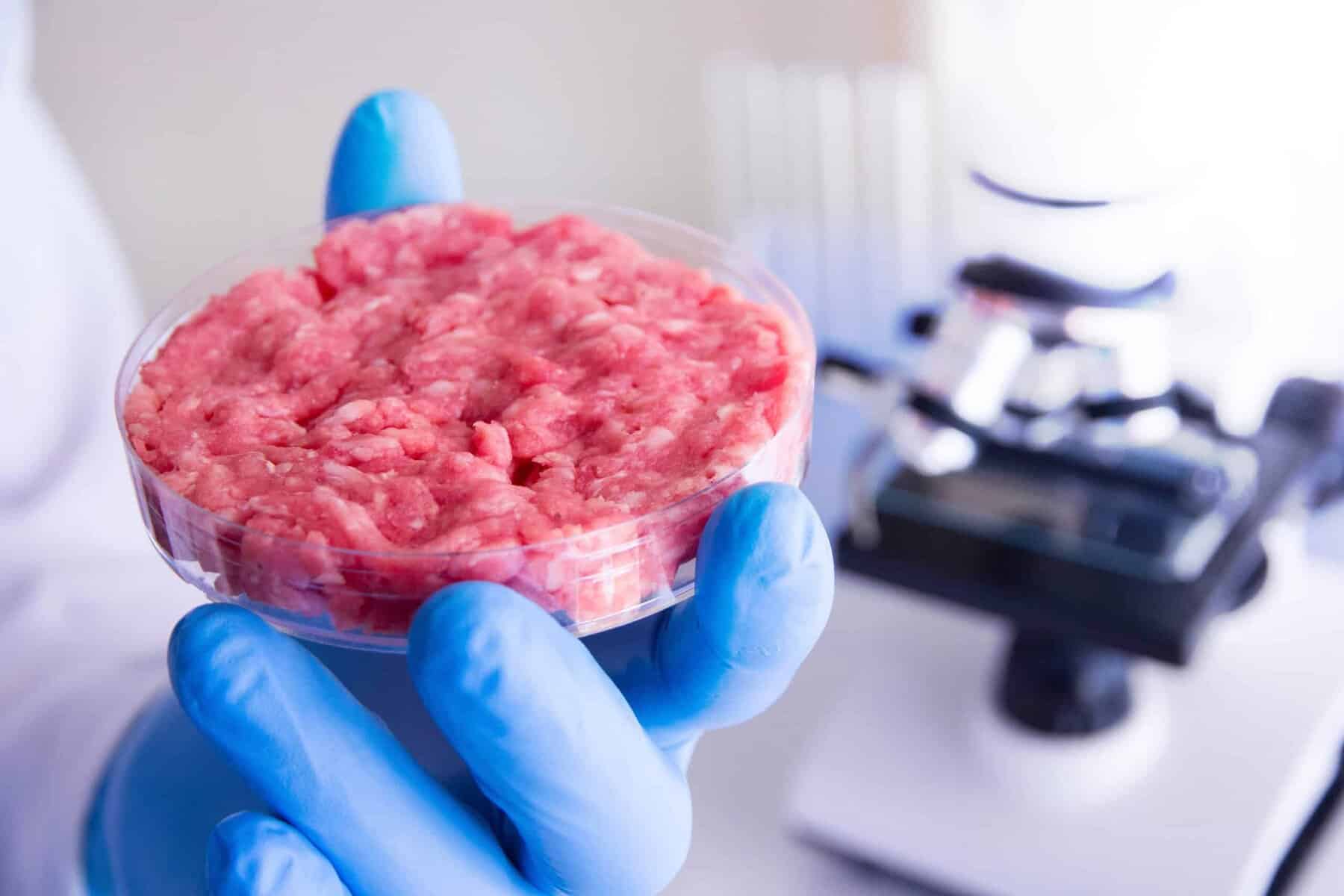
Ajinomoto has moved straight at one of cultivated meat’s biggest cost problems: the price of culture media. The Japanese food and amino-acid company said its new technology uses hinokitiol, a plant-derived compound, to replace transferrin in serum-free media and reduce the expensive inputs that make cell growth so hard to scale.
That matters because transferrin is not a side ingredient. It carries iron to cells and supports growth, which is why it has become one of the most expensive and difficult-to-make parts of cultivated-meat media. Ajinomoto said transferrin is a significant driver of culture-media costs, and the broader industry picture backs that up. Recent reviews have put cell-culture medium at 31% to 99% of cultivated-meat production costs at scale, while other analyses say serum-free media can account for at least 50% of variable operating costs. In that context, a lower-cost substitute only matters if it can preserve performance while materially reducing the bill of goods.

Ajinomoto says hinokitiol can do the iron-delivery job typically handled by transferrin in serum-free media. The company also said the approach is designed to eliminate the need for expensive serum components in conventional cell-culture processes. In internal testing, reporting on the announcement said cell-proliferation volumes were about three times higher than a control group that used neither compound. Ajinomoto also said the technology is patent-pending, signaling that it sees commercial value beyond a lab proof point.
The timing is notable for an industry still trying to bring down the cost curve. A 2022 analysis estimated that large-scale cultivated meat could cost about $63 per kilogram if future medium ingredients became cheaper and bulk purchasing kicked in. That kind of projection shows how much the economics depend on incremental, behind-the-scenes gains in media formulation, not just advances in bioreactors or final product design. If Ajinomoto’s substitute performs consistently at scale, it could improve the outlook for pilot plants, structured products, and premium applications that need cultivated ingredients to compete on both functionality and cost.
Ajinomoto also emphasized a practical advantage that may help it stand out in food applications: hinokitiol is already listed on Japan’s roster of existing food additives. Combined with its plant-derived origin and low-molecular-weight, chemically stable profile, that gives the company a pitch built around manufacturability as much as biology. For cultivated meat manufacturers, the real test is whether this kind of ingredient swap can move media costs meaningfully enough to change commercialization plans. On that front, Ajinomoto has aimed at the right problem, and the industry will now be watching whether the savings are headline-worthy or just marginal.
This article was produced by Prism’s automated news system from verified source data, official records, and press releases, then run through automated quality and moderation checks before publishing. The system is built and supervised by the people who set the standards it runs under. Read our full AI policy.
Did this article answer your question?