Arkansas seeks SNAP soda ban, adds hot rotisserie chicken benefits
Arkansas wants SNAP to cut soda and candy while making hot rotisserie chicken eligible, betting a ready-to-eat protein beats another can of soup for busy households.
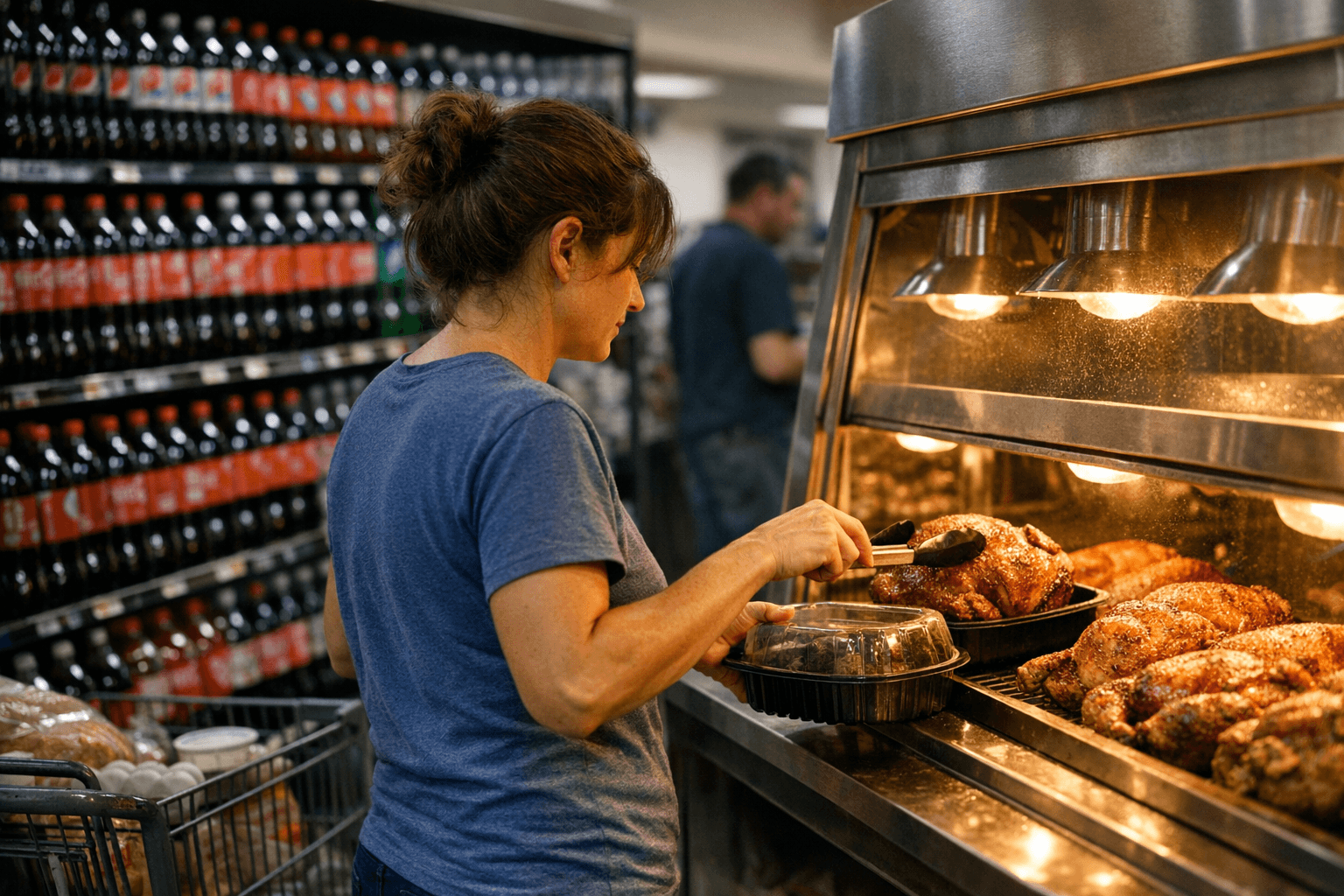
Arkansas is trying to redraw SNAP around one blunt idea: if the program is meant to help low-income households eat better, a hot rotisserie chicken may be a more useful healthy protein than another soda or candy bar is a treat.
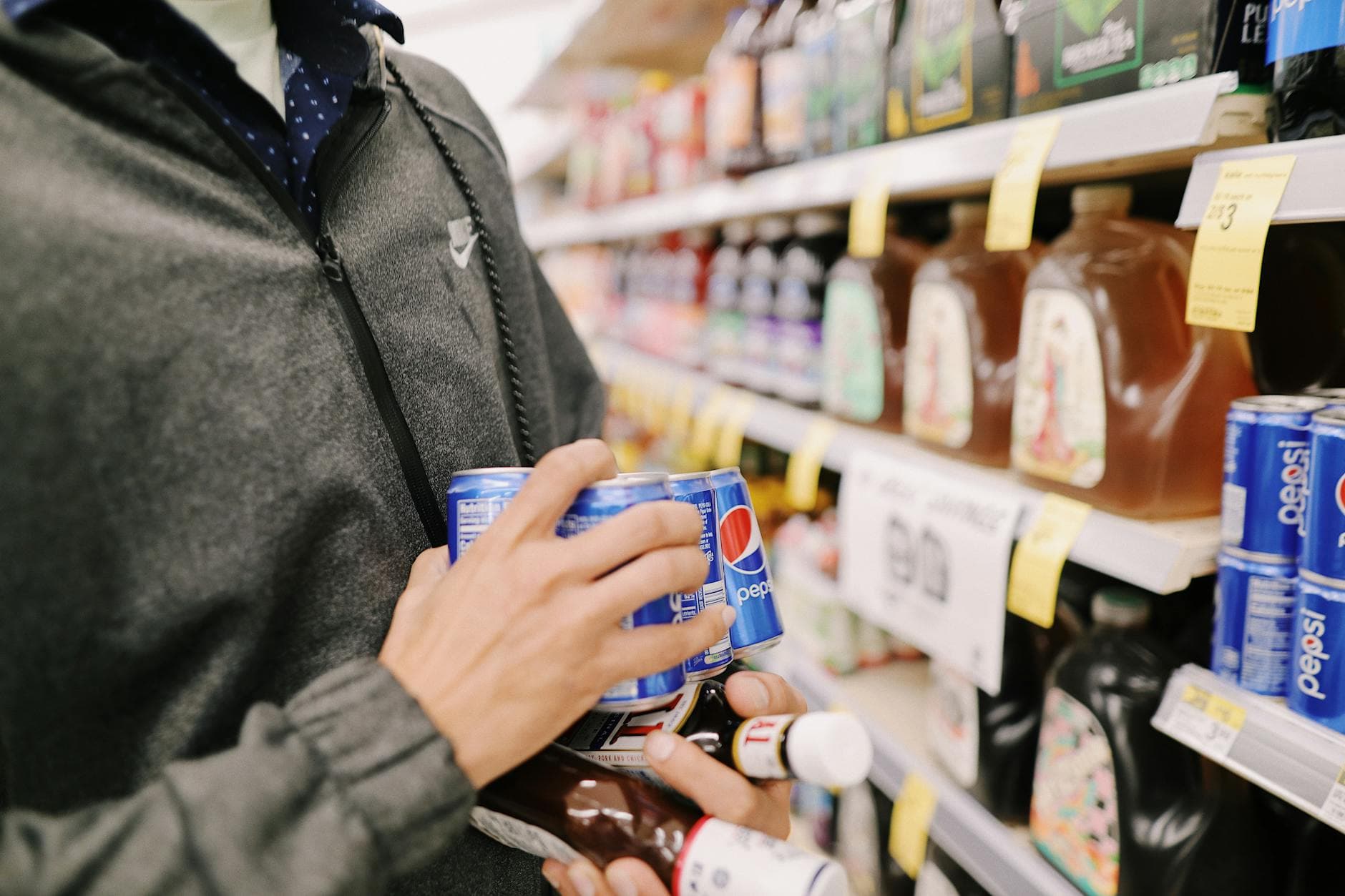
Governor Sarah Huckabee Sanders formally submitted the state’s waiver on April 15, 2025, asking the U.S. Department of Agriculture to bar soda, low- and no-calorie soda, certain fruit and vegetable drinks with less than 50% natural juice, other unhealthy drinks, candy, and some confectionary products from SNAP purchases. At the same time, Arkansas asked to add hot rotisserie chicken as an eligible item, calling it “an affordable, healthy protein source.” The state said more than 100,000 Arkansas households receive SNAP each month.
The pitch was built around nutrition and practicality. The governor’s office said about 23% of food-stamp spending goes toward soft drinks, unhealthy snacks, candy, and desserts, and pointed to a figure that one-third of Arkansans have diabetes or pre-diabetes. Arkansas also said it would use the GS1 US food categorization system to enforce the change and opened a voluntary 30-day public comment period. If approved, the new rules would start July 1, 2026 and last five years.
USDA Secretary Brooke Rollins backed the request the same day and said she wanted to move through approval quickly. USDA later approved the soda-and-candy waiver on June 10, 2025, with that restriction set to take effect July 1, 2026. The rotisserie-chicken piece was still being pursued separately, which is where the policy question gets sharper: SNAP has long been built around foods meant for home preparation, and hot prepared foods are still generally ineligible. That means a recipient can buy a rotisserie chicken only after it cools down.
That distinction matters more than it sounds. A cold chicken in the supermarket case is not the same thing as a hot one on the way home, especially for a parent juggling work, a senior with limited mobility, or a family without a full kitchen. Arkansas’s argument is that a hot rotisserie chicken is not a splurge food but a practical, protein-dense meal that is closer to dinner than ingredient shopping.
Washington is now testing that idea. On April 22, 2026, a bipartisan group of senators introduced the Hot Rotisserie Chicken Act, sponsored by John Fetterman, Jim Justice, Shelley Moore Capito, and Michael Bennet, to let SNAP recipients buy hot rotisserie chickens at eligible retailers without widening the program more broadly. The House Agriculture Committee also debated the issue during Farm Bill markup on March 4, 2026, when Rick Crawford offered an amendment and then withdrew it over budget concerns. Kristen McDonald Rivet asked why Congress could not simply allow hot rotisserie chicken. For now, that is the cleanest answer to Arkansas’s experiment: healthy protein is not just about what people can buy, but how fast they can turn it into dinner.
This article was produced by Prism’s automated news system from verified source data, official records, and press releases, then run through automated quality and moderation checks before publishing. The system is built and supervised by the people who set the standards it runs under. Read our full AI policy.
Did this article answer your question?