Brad Schoenfeld panel questions protein needs as U.S. guidelines shift
Schoenfeld’s panel says protein advice is too one-size-fits-all, just as federal guidelines start speaking directly to consumers for the first time in 25 years.
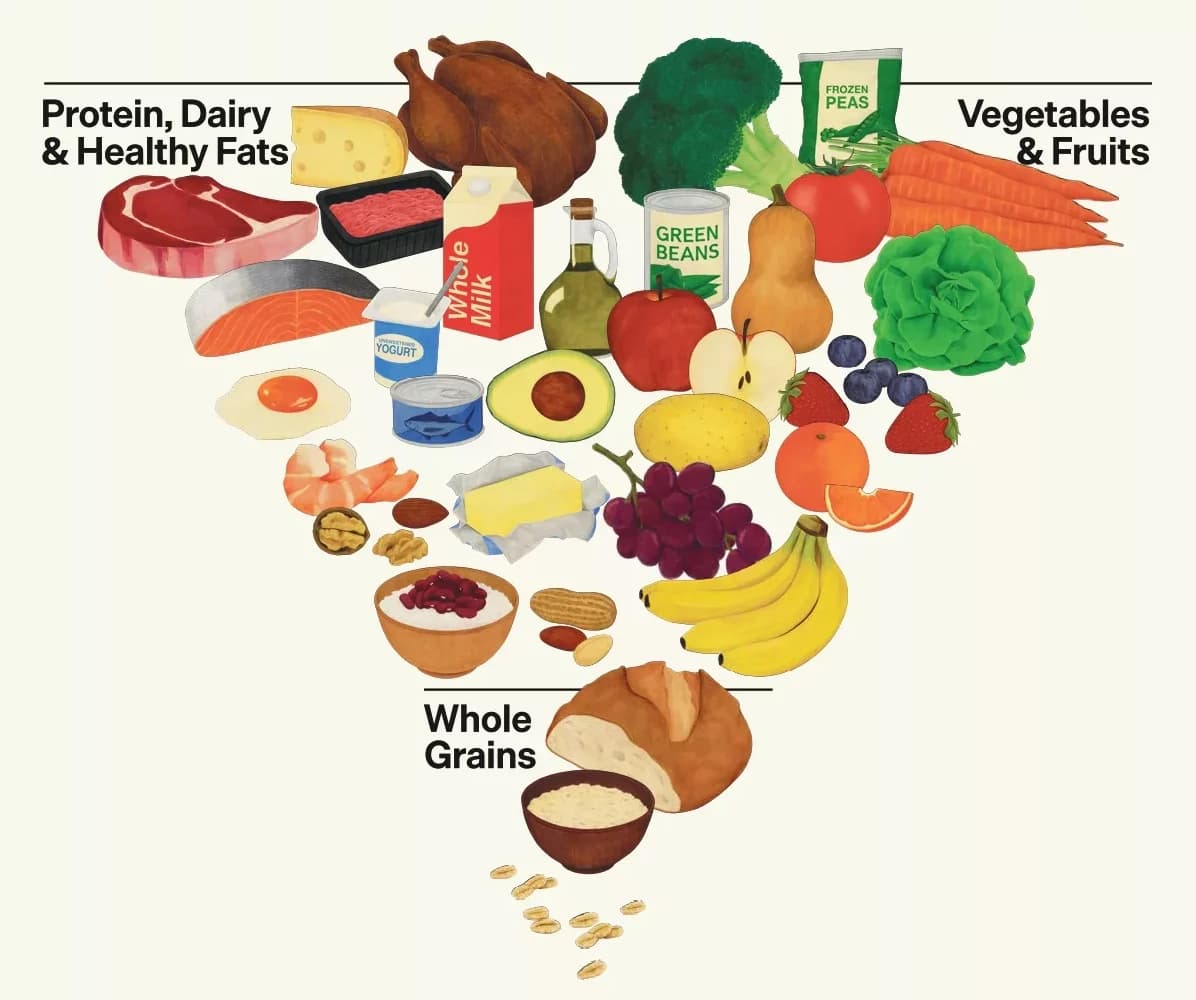
Brad Schoenfeld and a panel of sports-nutrition experts have pushed protein back into the center of the national food fight just as Washington rewrote the playbook. Their Critical Reviews paper lands after the U.S. Department of Agriculture and the Department of Health and Human Services released the 2025-2030 Dietary Guidelines for Americans on Jan. 7, 2026, the current edition and the first in 25 years to address consumers directly while still serving as the backbone of federal nutrition policy.
The new federal guidance emphasizes whole foods and protein as part of a broader effort to meet nutrient needs and support health. But the panel, which includes Robert W. Morton, Stuart M. Phillips, Alan A. Aragon, Eric Helms, Menno Henselmans and James W. Krieger, underscores the part of the debate that never really went away: one daily protein target does not fit every body. The real divide is not over whether protein matters, but over how much matters for people who train hard, try to hold onto muscle while losing weight, or simply want to age without sliding into weakness.
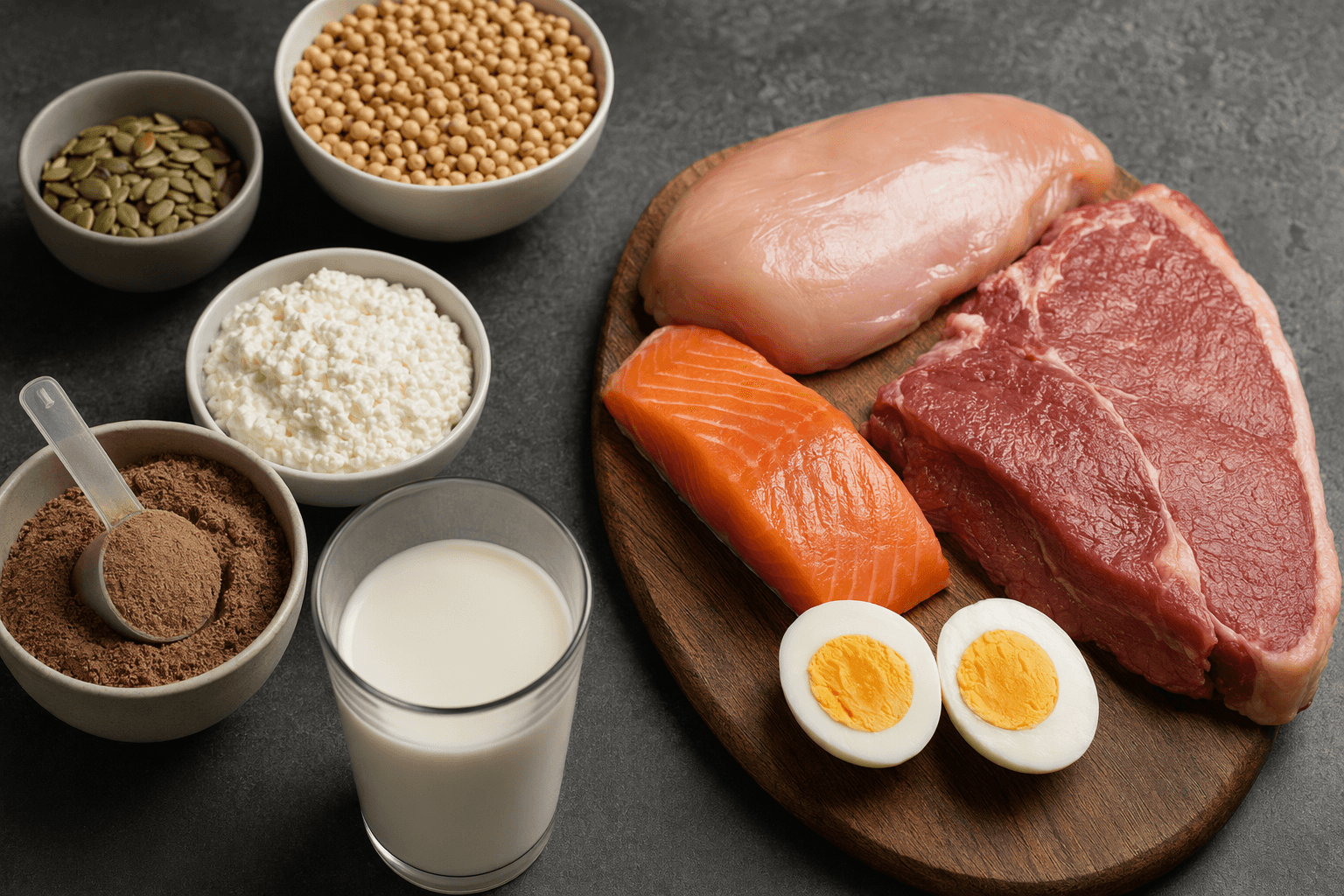
Schoenfeld has been driving that argument for years. In a 2017 meta-analysis with colleagues, resistance-training adults generally benefited from protein intakes above older baseline recommendations. That work helped fuel the continuing challenge to the long-standing federal floor, which may be enough to prevent deficiency but may not be enough to maximize muscle growth or preserve lean mass under stress.
That question becomes sharper with age. A 2025 meta-analysis in Nutrition Reviews said sarcopenia, the age-related loss of muscle mass and strength, affects 27% of older adults. Another 2025 review on plant versus animal protein and sarcopenia said protein recommendations are especially relevant to that condition and noted that protein quality may shape outcomes. Recent expert commentary has gone further, saying current dietary protein recommendations may be insufficient for optimal muscle health in some populations, especially older adults.

Public confusion is still widespread. A January 2025 survey from the Physicians Committee for Responsible Medicine and Morning Consult found nearly 90% of U.S. adults wrongly believed animal products are necessary to get adequate protein. That helps explain why the protein debate now reaches far beyond bodybuilding and into mainstream nutrition policy. The guidelines have shifted toward clearer consumer advice, but the argument at the center of it all remains unsettled: enough protein for health is not always enough protein for muscle.
This article was produced by Prism’s automated news system from verified source data, official records, and press releases, then run through automated quality and moderation checks before publishing. The system is built and supervised by the people who set the standards it runs under. Read our full AI policy.
Did this article answer your question?