Protein boom pushes snack brands to pack more into familiar formats
Doritos Protein and PowerMac show how snacks are being rebuilt around protein, as GLP-1 eating habits and satiety demands reshape the aisle.
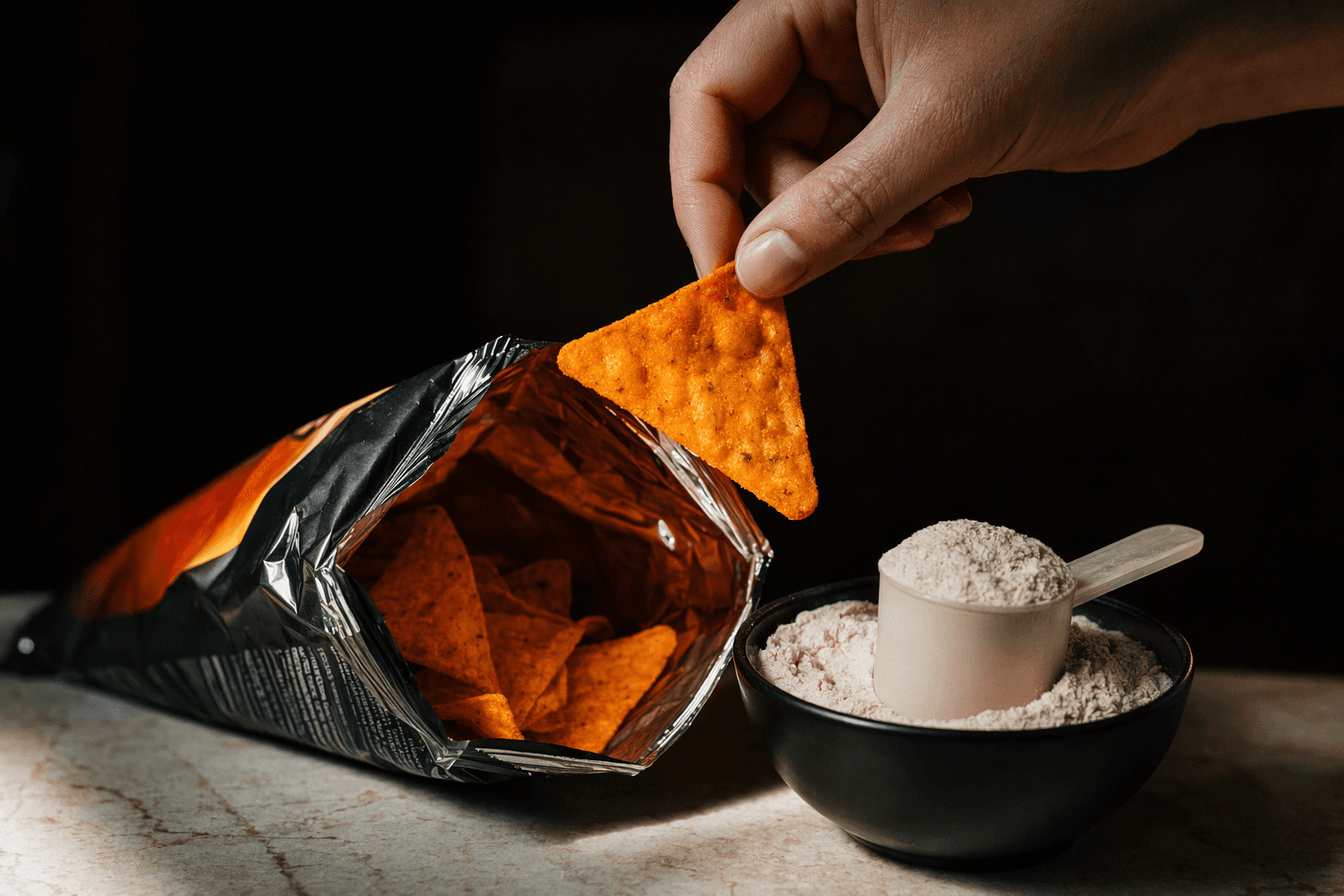
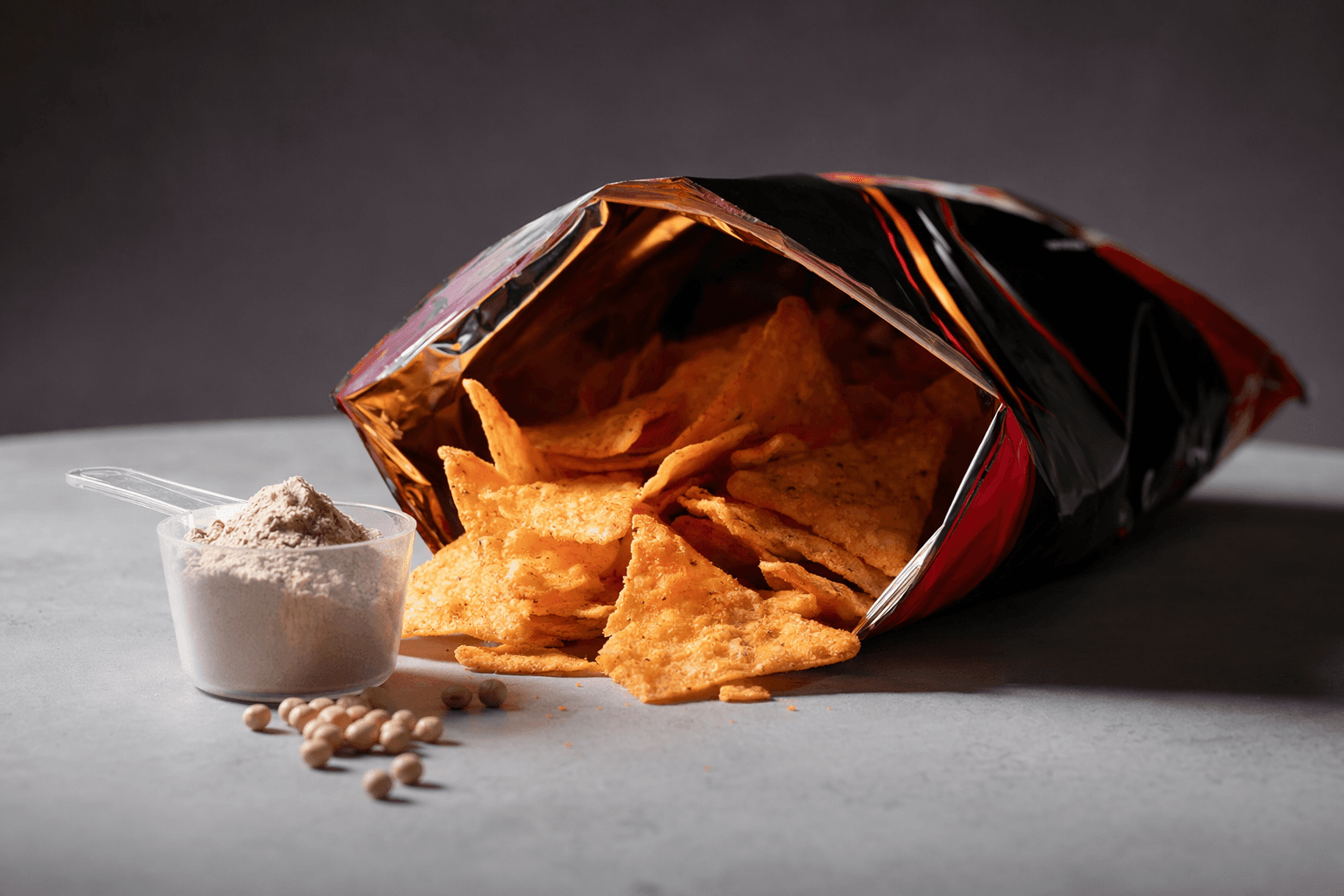
Protein has moved from a fitness cue to a basic selling point in snacks, and the clearest proof is how big brands are stuffing more of it into products shoppers already know. PepsiCo announced Doritos Protein on Feb. 26, 2026, with 10 grams of protein per 1-ounce serving, while Kraft Heinz followed on March 17 with PowerMac, a blue-box mac and cheese that delivers 17 grams of protein and 6 grams of fiber per serving.
The playbook is simple: keep the flavor, keep the format, and upgrade the nutrition panel. Doritos Protein comes in Nacho Cheese and Sweet & Tangy BBQ, uses casein as the first ingredient, and PepsiCo says it is a complete dairy protein with all nine essential amino acids. The company also says the chips are free of artificial colors and flavors, which matters as much as the protein count for shoppers looking for a snack that feels less like a compromise. PepsiCo has also said a 17-gram-protein single-serve bag is planned later in 2026, a sign the company sees room to push the format even further.
PowerMac goes a step beyond a simple protein bump. Kraft Heinz said it built the product over about a year to get the protein-to-fiber ratio and taste right, using wheat flour, pea protein isolate, vital wheat gluten, whey, milk and whey protein concentrate. It will be sold in Original and White Cheddar, which tells you exactly how the brand is thinking about the line: not as a separate health-food offshoot, but as a more functional version of the pantry staple millions already buy.
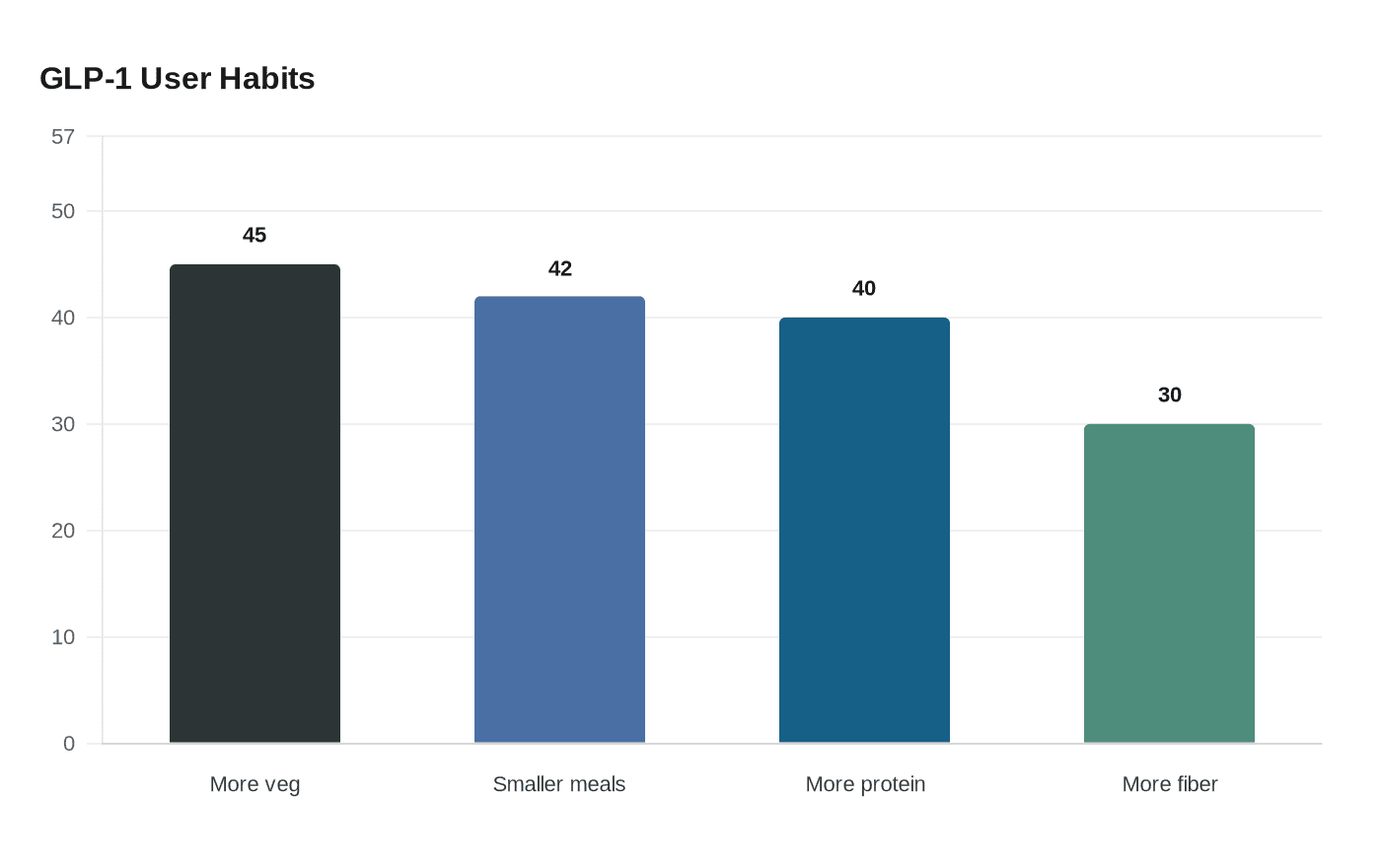
The timing tracks with a broader change in how people eat. Innova Market Insights found in 2024 that 10% of U.S. consumers were taking GLP-1 medications, 18% intended to, and 7% had used them in the past. Among users, 45% said they eat more vegetables, 42% take smaller meals, 40% seek more protein and 30% seek more fiber. ADM’s 2025 alternative protein report points in the same direction, saying 64% of U.S. consumers engaging with anti-obesity medications pay more attention to protein content, while 44% are intentionally increasing plant-based protein intake.
That is why protein has become the default upgrade in the snack aisle. Brands are no longer just chasing a high number on the front of pack; they are trying to build products that do more at once, from satiety and texture to a cleaner label and a better amino acid profile. The risk, of course, is that the claim can outrun the nutrition. A product with more protein is not automatically a better snack, but in 2026 it is increasingly the easiest way to convince shoppers it might be.
This article was produced by Prism’s automated news system from verified source data, official records, and press releases, then run through automated quality and moderation checks before publishing. The system is built and supervised by the people who set the standards it runs under. Read our full AI policy.
Did this article answer your question?