California committee advances bill requiring heavy metal disclosure in protein products
California moved a protein-safety bill that would force lot-by-lot testing for lead, cadmium, mercury and arsenic, then put the results on packages and product pages.
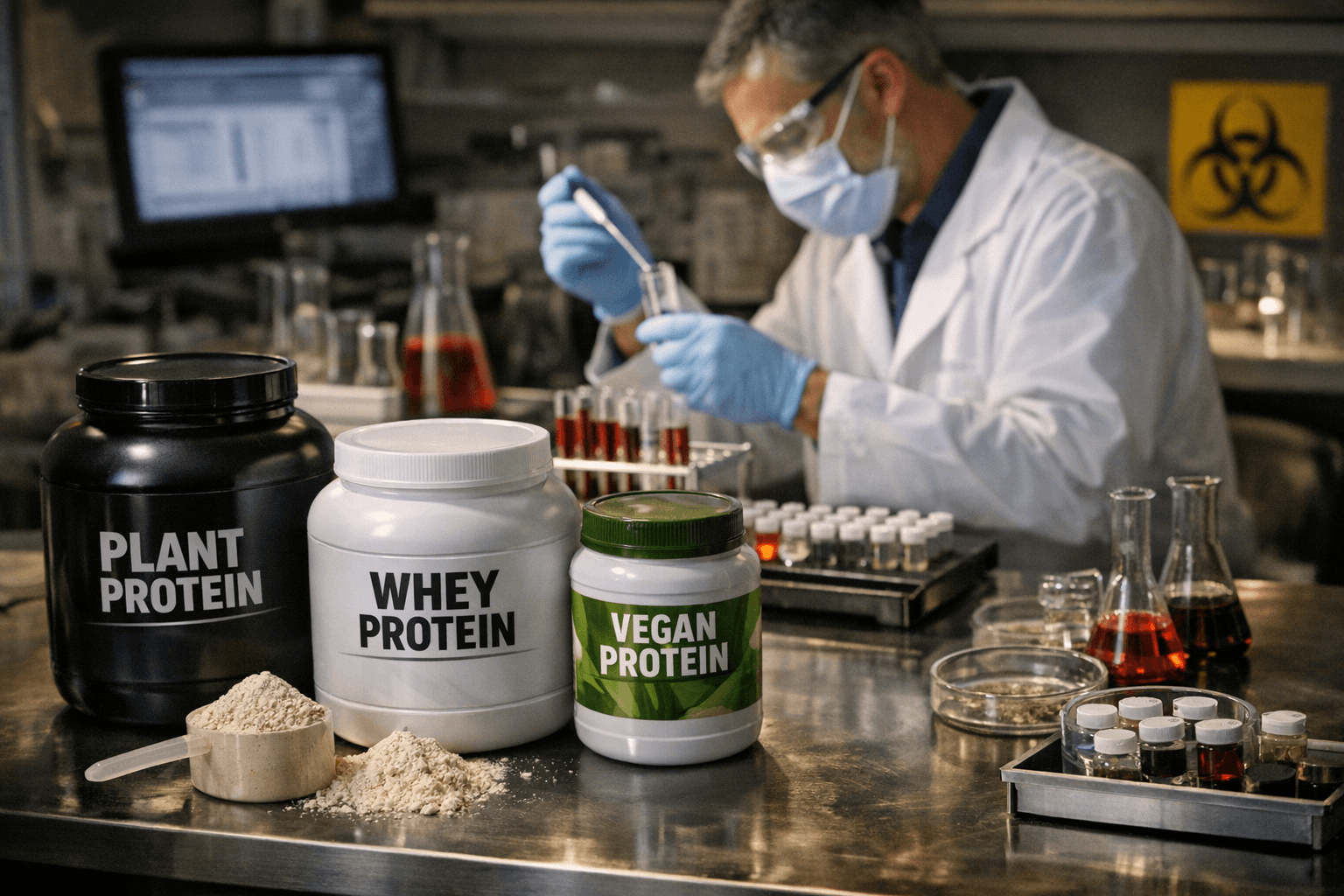
California’s Senate Environmental Quality Committee gave SB 1033 a 4-1 boost on April 23, putting new pressure on protein products sold in the state. The measure, authored by Sen. Steve Padilla of San Diego, covers bulk and packaged protein products, which the draft defines broadly as powdered supplements, liquid beverages and other concentrated-protein foods. It would require testing for arsenic, cadmium, lead and mercury, the four heavy metals Padilla’s office says are drawing the most concern in a fast-growing market built around daily use and performance claims. “Everyone has a right to know that the products they consume meet basic safety standards,” Padilla said.
The practical change would begin on January 1, 2028. By then, manufacturers of bulk protein products and packaged protein products would have to test a representative sample of each lot, use a proficient laboratory, and provide results to state officials on request. Brand owners would also have to push the information out to shoppers, with a required statement on the outermost package for retail sales and on the product detail page for items sold online or direct to consumers. In other words, the bill is aimed at turning protein labels and product pages into a visible safety document, not just a marketing surface.
That puts SB 1033 in line with California’s recent habit of treating contamination disclosure as a consumer-rights issue, not a niche compliance chore. Under AB 899, baby food manufacturers in California must test a representative sample of the final product for arsenic, cadmium, lead and mercury and publicly post the results, and state officials recently warned that some companies were burying those results behind product-specific codes. California has also adopted a separate testing-and-disclosure framework for prenatal multivitamins. SB 1033 borrows that playbook and extends it to protein, suggesting lawmakers see the category as more than a generic supplement aisle.

At the federal level, the contrast is sharp. FDA regulates dietary supplements under a different framework than conventional foods, does not approve supplements or their labeling before sale, and generally evaluates toxic contaminants case by case where it has not set a specific limit. FDA’s contaminant work focuses on arsenic, lead, cadmium and mercury across foods and supplements, but it has not created a protein-specific routine testing and public disclosure rule. That is why SB 1033 reads as more than a symbolic gesture: it would move protein products closer to the baby-food model of traceability, with noncompliant products facing pressure before they ever reach a shelf.
This article was produced by Prism’s automated news system from verified source data, official records, and press releases, then run through automated quality and moderation checks before publishing. The system is built and supervised by the people who set the standards it runs under. Read our full AI policy.
Did this article answer your question?