Chicken becomes restaurants’ affordability pressure point amid protein boom
Chicken is getting pricier just as diners want more protein, pushing restaurants to protect value meals, margins and menu mix all at once.
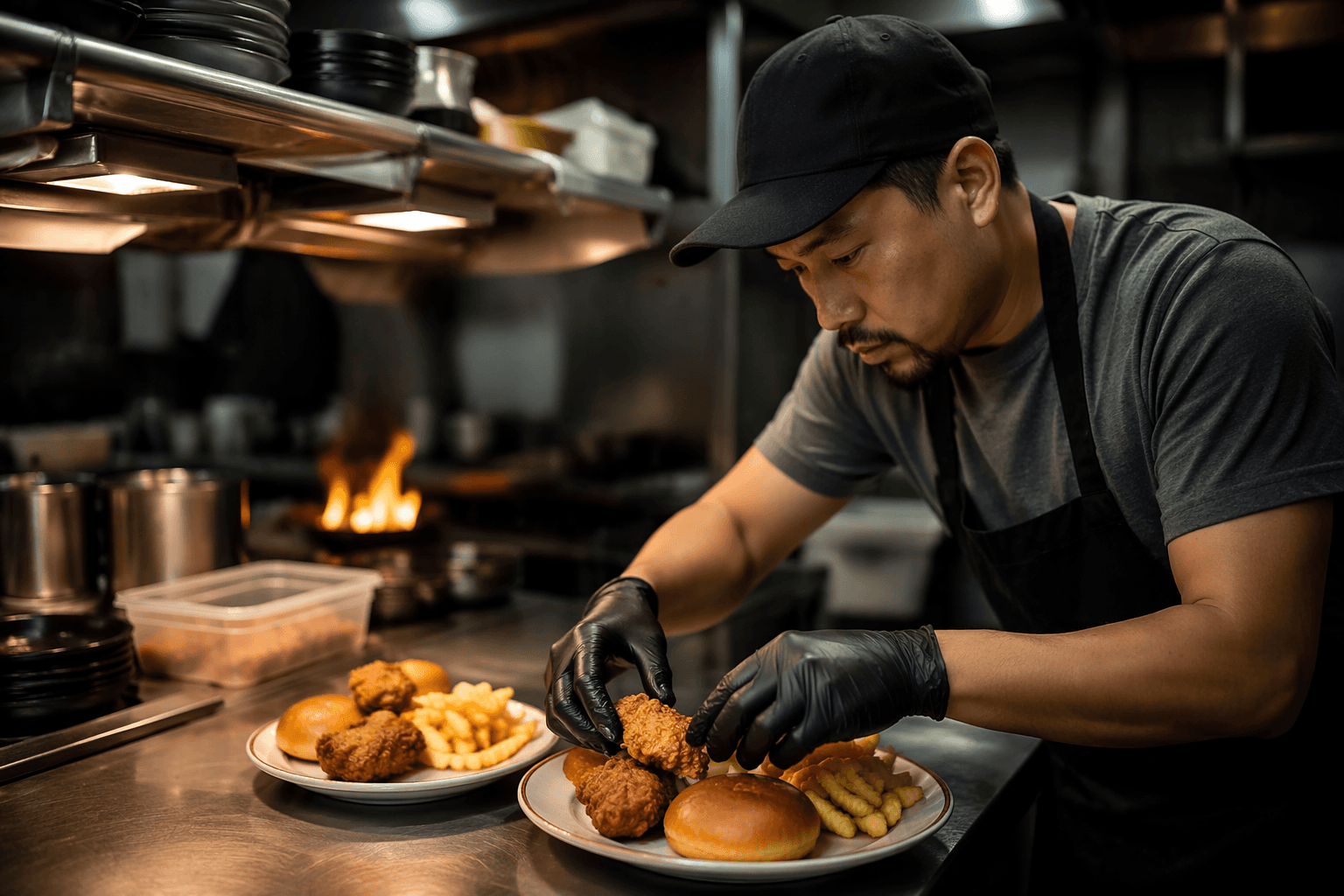
Chicken is no longer the safe, cheap default that lets restaurant menus absorb inflation quietly. As diners ask for bigger protein portions, operators are facing higher chicken costs, thinner margins and harder choices on value meals, turning a familiar staple into a test of who pays for the protein boom.
The menu data show how fast the shift has become. By August 2025, 28.4% of U.S. restaurant menus called out protein, up from 5.9% a decade earlier, as chains leaned into protein-heavy breakfasts, bowls, shakes and beverages to capture demand. Chicken has ridden that wave because it fits the value-plus-versatility sweet spot: Technomic data cited in industry coverage show it appears on nearly 93% of menus, and spending on chicken menu items has risen 12% over the last two years.
That popularity is now colliding with cost pressure. Retail prices for boneless chicken breast reached 416.8 cents per pound in April 2026, according to USDA market data, while food-away-from-home prices rose 0.2% and overall food prices climbed 0.5% that month. The National Restaurant Association said in July 2025 that tighter supply and stronger demand were pushing restaurants to pay more for beef and chicken, forcing operators to manage slimmer margins and, in some cases, add more chicken items to offset beef pain.
The squeeze is not just about price tags. CoBank’s animal-protein economist Brian Earnest has said chicken keeps winning because consumers rate it highly on taste, value, price and nutrition, but he has also warned that the industry’s push toward larger birds and more further-processed products such as tenders, nuggets and sandwiches is creating processing and supply-chain challenges. In other words, the menu demand for protein is reaching all the way back into how birds are raised, cut and sold.
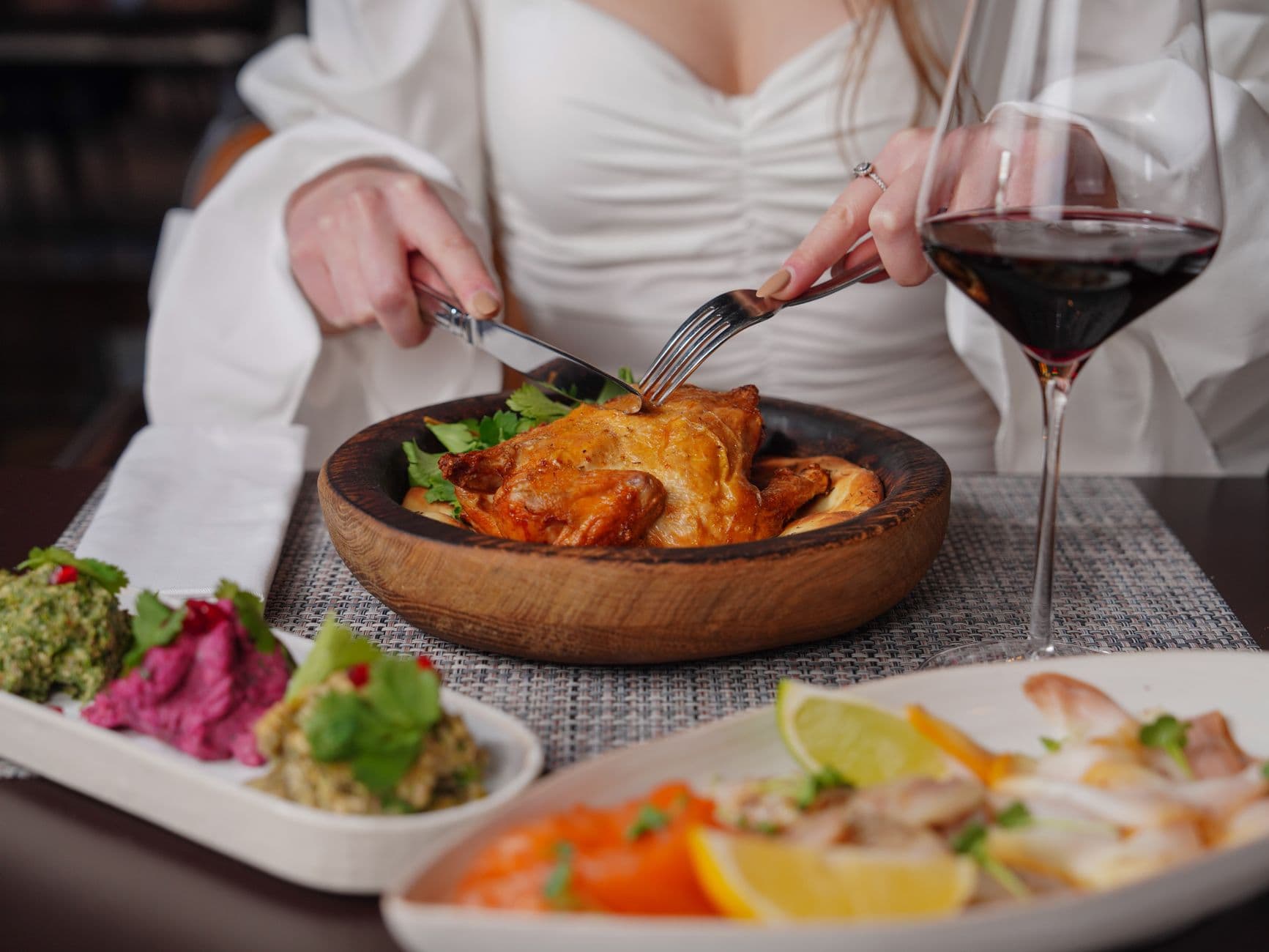
That helps explain why chicken has become a proxy for the broader food-service cost problem. Restaurants cannot simply raise prices everywhere without risking traffic, so they absorb some of the pain, rework some menu engineering and pass the rest along in higher check averages or less generous value offers. At the same time, Johns Hopkins Bloomberg School of Public Health has argued that the protein craze can crowd out a more useful message about fiber-rich foods and dietary diversity. Chicken may still look like the affordable option on the board, but in today’s protein market it is also the place where restaurant economics are most visibly breaking.
This article was produced by Prism’s automated news system from verified source data, official records, and press releases, then run through automated quality and moderation checks before publishing. The system is built and supervised by the people who set the standards it runs under. Read our full AI policy.
Know something we missed? Have a correction or additional information?
Submit a Tip