Whey and casein improve lipids and lean mass in obesity review
Milk proteins are moving into clinical nutrition: a 21-RCT review links whey and casein to better lipids and more lean mass in obesity.
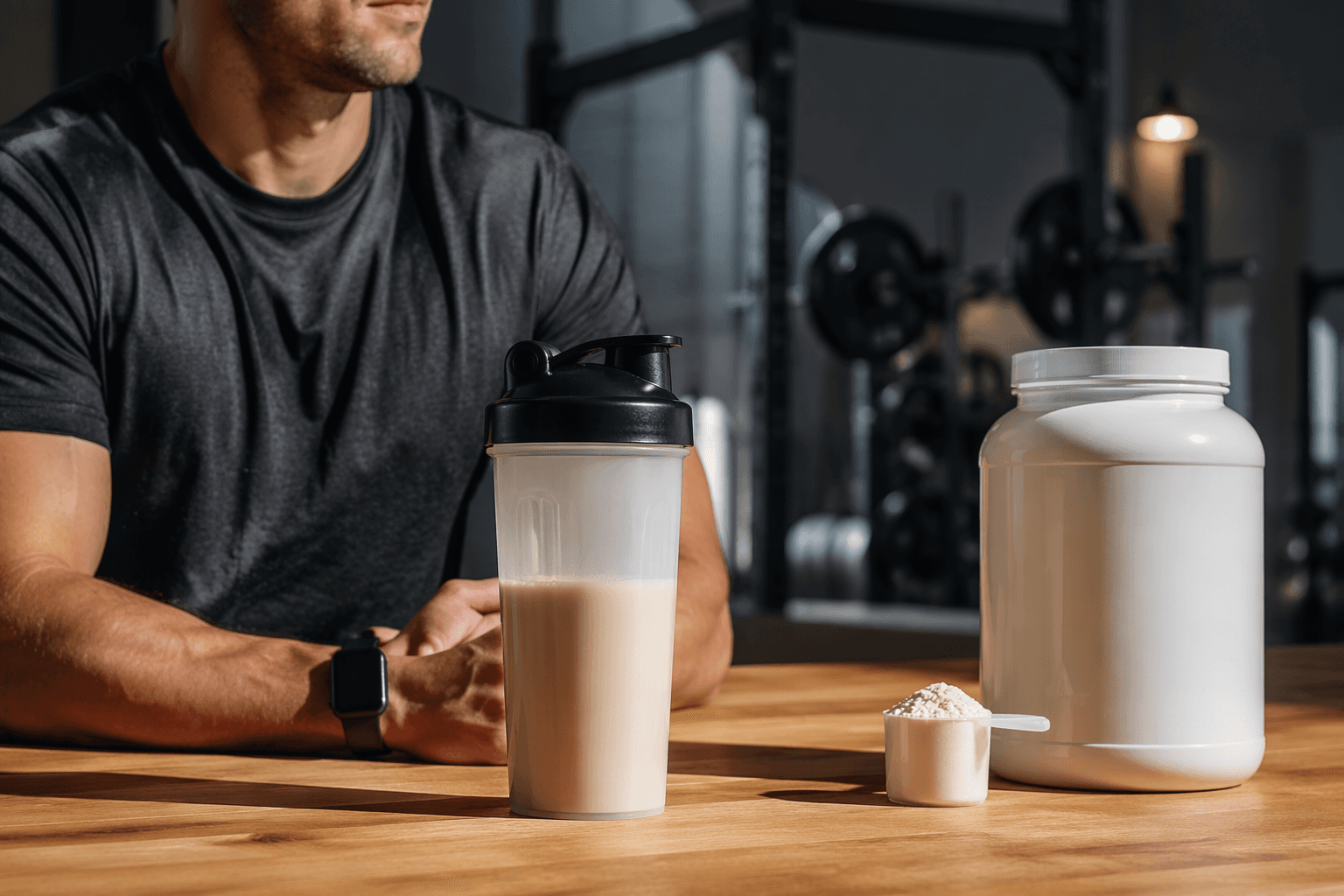
Milk proteins are starting to look less like a gym shortcut and more like a clinical nutrition tool. A meta-analysis of 21 randomized controlled trials in overweight and obese adults found whey and casein improved lipid profiles and increased lean body mass, which matters when excess weight is colliding with dyslipidemia, insulin resistance, and the risk of losing muscle during weight loss.
What the new review adds
The new pooled analysis by Elaheh Amirani and colleagues, published in Diabetes & Metabolic Syndrome, pulls whey and casein out of the sports-nutrition corner and puts them into a metabolic-health conversation. The population matters here: these were overweight and obese adults, not just lifters chasing a bigger protein number, so the outcome has direct relevance for people whose main problem is cardiometabolic risk, not gym performance.
That is the right lens for obesity medicine. Overweight and obesity are major drivers of cardiovascular disease, dyslipidemia, and insulin resistance, and the hard part of weight management is not only losing fat but keeping lean tissue intact while calories come down. The review speaks to both sides of that equation at once, which is why it stands out from the usual supplement hype.
The lipid signal is modest but consistent
The newer review does not exist in a vacuum. A 2020 systematic review and meta-analysis of 22 studies on whey protein in people with metabolic syndrome and related conditions found significant reductions in triglycerides, total cholesterol, LDL-cholesterol, HbA1c, insulin, and HOMA-IR. That review searched Web of Science, Cochrane Library, PubMed, and Scopus through April 30, 2020, so it captures a broad slice of the controlled-trial literature rather than a narrow corner of it.
A later pooled analysis in Nutrition Reviews tightened the picture further. That meta-analysis combined 65 randomized controlled trials of milk protein supplementation and found weighted mean differences of minus 4.03 mg/dL for total cholesterol, minus 6.11 mg/dL for triglycerides, and minus 1.99 mmHg for systolic blood pressure. It also found no statistically substantial effect on LDL cholesterol or HDL cholesterol, which is a useful reality check: the signal is real, but it is not a sweeping rewrite of every lipid marker.
That balance is what makes the evidence credible. The changes are not huge, and nobody should pretend that a scoop of whey is doing the work of an entire obesity treatment plan. But the direction is consistently favorable across multiple pools of trials, including a 22-study whey analysis and a 65-RCT milk-protein analysis, which is more than enough to say these proteins have metabolic promise beyond simple calorie replacement.
Lean mass is the part that matters during weight loss
If lipid changes are the headline, lean mass is the practical reason clinicians should care. A 2024 systematic review and meta-analysis of randomized trials concluded that additional protein intake can help maintain muscle mass, strength, and physical function during weight loss in adults with overweight and obesity. That matters because the people most likely to need weight reduction are also the people most likely to lose lean tissue if protein intake is too low.
That is where whey and casein become interesting together. Whey has the longer track record in the cardiometabolic literature, while casein helps broaden the category from a single fast-digesting protein to milk proteins as a whole. In the new obesity-focused review, the combination of better lipid profiles and increased lean body mass is the useful clinical story, not a bodybuilding story.
The older dairy literature pushes in the same direction, with an important caveat. A 2018 meta-analysis of 37 randomized controlled trials found that dairy consumption during energy restriction reduced body weight, body fat, and waist circumference. But the same general body of evidence also warns that high dairy intake without calorie restriction can increase weight, so the context matters just as much as the ingredient.
How to use the evidence without overselling it
The cleanest read is straightforward: milk proteins belong inside a calorie-controlled weight-management plan, not outside one. If the goal is to improve lipid markers while protecting lean mass, whey and casein are among the few protein options with repeated trial-level support across triglycerides, total cholesterol, blood pressure, muscle mass, and functional outcomes.
That makes them useful in medical nutrition, not just in the supplement aisle. The evidence supports a practical strategy for adults with overweight or obesity who need help preserving muscle while improving cardiometabolic markers, especially when protein adequacy is part of the problem. What it does not support is the fantasy that milk protein alone can fix dyslipidemia, replace calorie control, or override poor dietary patterns.
The strongest conclusion is the simplest one: whey and casein have enough clinical signal across 21 RCTs, 22-study whey analyses, 37-dietary trials, and a 65-RCT milk-protein pool to earn a real place in obesity care. That is not hype. It is a workable nutrition tool with a track record.
This article was produced by Prism’s automated news system from verified source data, official records, and press releases, then run through automated quality and moderation checks before publishing. The system is built and supervised by the people who set the standards it runs under. Read our full AI policy.
Know something we missed? Have a correction or additional information?
Submit a Tip