New whey processing improves protein shake taste and texture
A membrane-filtration tweak at AberInnovation cut chalkiness and bitterness in whey protein, leaving a shake with better texture and everyday-drink potential.

A membrane-filtration change at AberInnovation gave whey protein a smoother mouthfeel without locking in the bitter, peppery aftertaste that often turns shakes into a chore. The work, published online March 9, 2026, in the International Dairy Journal, points to a blunt commercial truth: if protein drinks are easier to finish, small processing changes may matter more than another round of protein bragging.
Researchers from the University of Reading, Aberystwyth University and Arla Foods Ingredients compared a commercial whey protein with alpha-lactalbumin-enriched and alpha-lactalbumin-deficient samples. By pushing liquid whey through a fine membrane under carefully controlled pressure, the team more than doubled the usual concentration of alpha-lactalbumin at pilot scale in AberInnovation’s food-processing facilities. Holly Giles, a PhD researcher at the University of Reading, led the work with David Warren-Walker, a senior bioprocess development scientist at the Institute for Biological, Environmental and Rural Sciences, along with Stephanie P. Bull, Stella Lignou, Alun Hughes, Joe Gallagher, Marianthi Faka and Lisa Methven.
The sensory panel found the enriched sample had significantly higher slipperiness perception and reduced instrumental friction in the mouth, the kind of texture shift that can make a shake feel less chalky and less like a functional compromise. But the same sample also tasted more bitter and peppery. The team traced those off-notes to free minerals concentrated during the extra processing, not to the protein itself, which is the key distinction for manufacturers trying to improve drinkability without changing the underlying whey protein story.
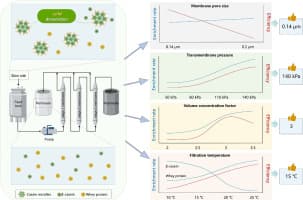
After refining the filtration step to strip out the concentrated minerals, the researchers produced a whey protein with taste characteristics comparable to the original control while keeping the improved texture. That matters because protein drinks can be difficult to swallow and finish for some consumers, including older adults trying to maintain strength, and because alpha-lactalbumin is especially valued in infant formula manufacture. The study builds on earlier work from the same group on selectively concentrating whey proteins, but this one pushes the practical point further: the biggest barrier to wider adoption may be sensory fatigue, and the fix may sit in the factory, not the label.
This article was produced by Prism’s automated news system from verified source data, official records, and press releases, then run through automated quality and moderation checks before publishing. The system is built and supervised by the people who set the standards it runs under. Read our full AI policy.
Know something we missed? Have a correction or additional information?
Submit a Tip