China’s alternative protein push could reshape global agricultural trade by 2040
China’s protein strategy is less about diet trends than industrial leverage, and a 2040 export swing could redraw soy, feed, and price power worldwide.
The geopolitical wager behind China’s protein push
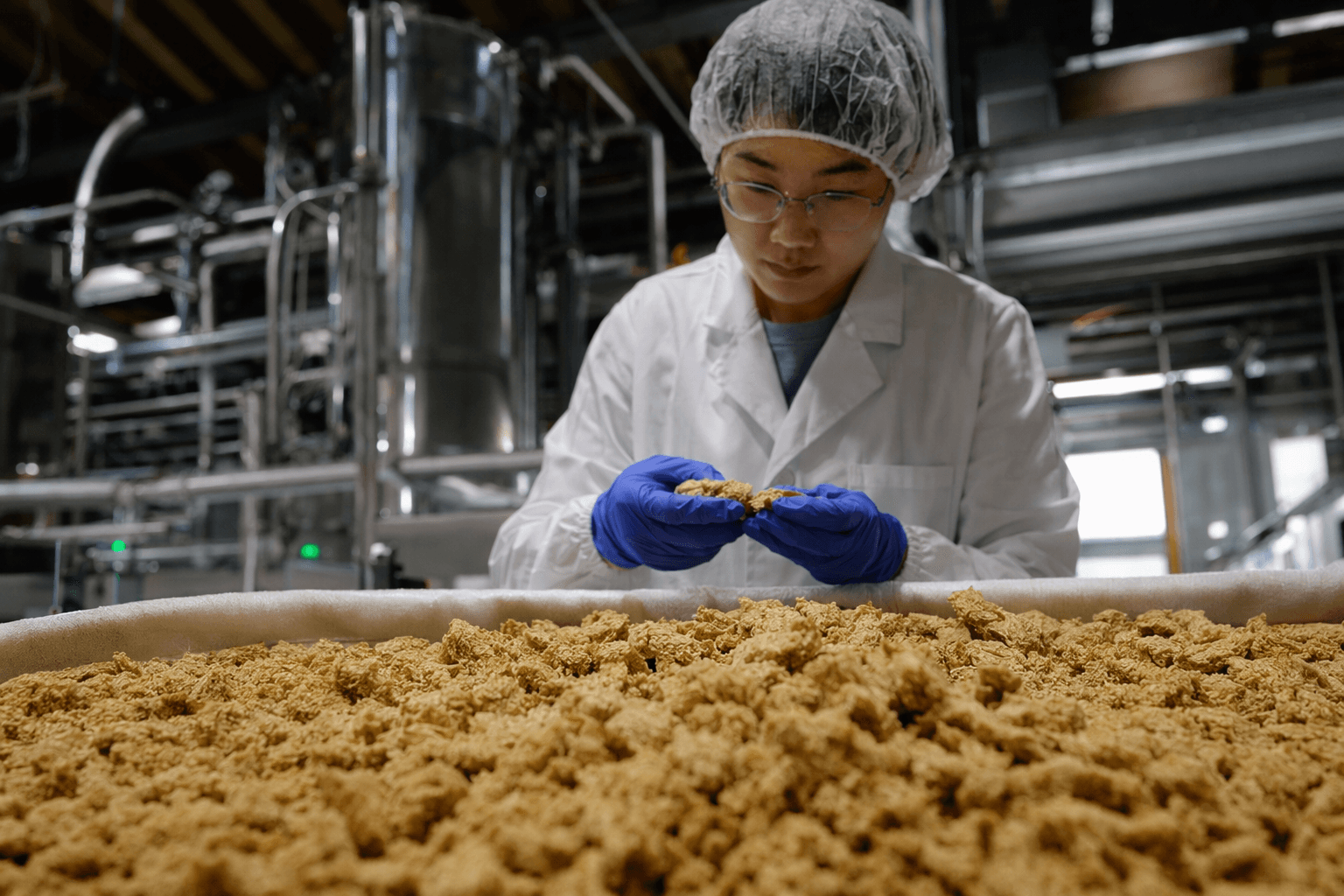
China’s next protein story is starting to look less like a food trend and more like a manufacturing shift. Systemiq’s consultation paper, *China’s Food Future*, argues that Beijing is applying the same industrial playbook that powered its solar and electric-vehicle rise: align policy, capital, and technology, then scale fast enough to reshape global markets.
That matters because the paper frames food security as a strategic priority for Chinese leadership, tied directly to economic stability and national security. In that context, alternative proteins and biomanufacturing are not niche consumer categories. They are tools in a national industrial strategy, with the potential to change who grows what, who buys it, and who sets the price.
Why soy is the pressure point
The first place to watch is soy. China was the world’s largest food importer in 2024, with a $124.5 billion agricultural commodities import deficit, and it has been one of the biggest net importers of agricultural products since 2004. Over that period, it accounted for about 60% of global soy imports, which is why any change in Chinese demand ripples far beyond Beijing.
The dependence is already visible in trade shares. In 2024, China accounted for 89% of Argentina’s soybean exports, 71% of Brazil’s soybean exports, and 53% of U.S. soybean exports. The consultation paper projects that Chinese soybean imports will fall by 25% by 2030, a drop roughly equal to all U.S. soybean exports to China in 2024. That is not a marginal adjustment; it is a warning shot for farmers, traders, and ingredient buyers who have built their expectations around Chinese appetite.
The technologies that could flip the balance
Systemiq’s most striking projection is that China, now the world’s largest importer of alternative protein-related feed inputs, could become a net exporter of alternative protein by 2040. That reversal would depend on more than one technology. The report points to plant proteins, fermentation, and industrial biotech as the backbone of a manufacturing system that can scale protein output with fewer land and feed constraints than conventional livestock.
The policy backdrop is already in place. In 2022, Xi Jinping emphasized food security as part of national security, and China’s 14th Five-Year Plan for Agriculture explicitly named “cell-based meat, synthetic egg cream, functional recombinant protein cultivation” under cutting-edge technology innovation. That is why the paper reads less like a sudden pivot and more like an acceleration of a direction Beijing has been signaling for years.
A Year 0 moment for the food system
The consultation paper calls this a Year 0 moment for the food system, meaning early investments now could determine who owns the market later. That language is important because it turns the discussion from product development into industrial positioning. The companies that understand the shift early may not simply win sales; they may secure manufacturing capacity, supply-chain influence, and export leverage.
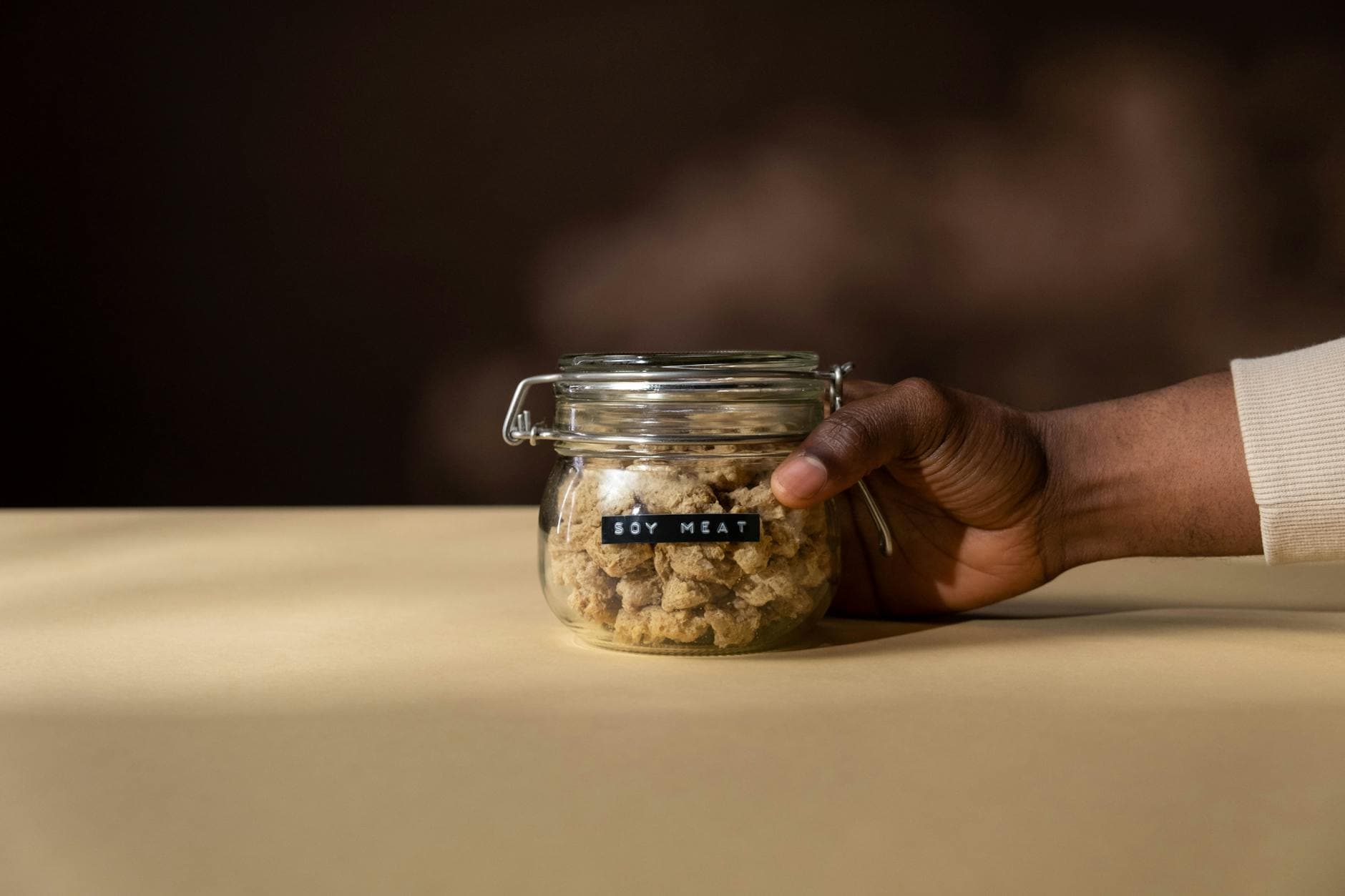
By 2040, the paper projects alternative proteins could capture 14% to 16% of China’s domestic beef and seafood markets. By 2050, they could meet 35% to 55% of domestic animal protein demand. Even if those ranges land on the low end, the effect on feed demand, livestock economics, and imported ingredients would still be significant.
What it means for Western startups and ingredient suppliers
For Western startups, the risk is that China stops being just a massive end market and starts becoming a formidable competitor. A country that can pair policy support with manufacturing scale can compress margins quickly, especially in categories like fermentation and plant proteins where process efficiency matters as much as branding. If China can produce at lower cost and at larger volume, price competition will no longer be confined to regional markets.
Ingredient suppliers and agribusinesses face a different kind of pressure. The report says producers that adapt early by diversifying markets, upgrading productivity, and improving deforestation and traceability standards are best positioned for the transition. That advice is aimed squarely at exporters who rely on Chinese demand today but may need a wider customer base, cleaner sourcing systems, and more resilient logistics to stay competitive tomorrow.
The market signals are already there
This is not a distant theoretical shift. USDA’s Foreign Agricultural Service reported on November 27, 2024 that private exporters had sold 132,000 metric tons of soybeans to China for delivery in the 2024/2025 marketing year. Then, on October 23, 2025, the American Soybean Association said China had not purchased any of the new-crop U.S. soy in USDA’s dataset for the first time since 1999. Those data points do not prove the future, but they do show a trade relationship under strain.
Consumer behavior in China also hints at how fast the market could move if policy and manufacturing line up. A 2022 survey cited by Dialogue Earth found that 85% of 579 consumers in four major Chinese cities had tried plant-based meat alternatives and were willing to pay more for them. That is not the whole country, but it is a meaningful sign that alternative proteins have already crossed from novelty into credible consumption territory in major urban markets.
The ecosystem is being built in public
China has not hidden its ambition. The World Agri-Food Innovation Conference was scheduled to open in Beijing on November 2, 2023, underscoring how explicitly the country has tied food innovation to its industrial agenda. The broader ecosystem now includes companies such as CellX, and activity in places like Shanghai, Fujian province, and Nanping suggests the geography of the sector is widening beyond a single showcase city.
Put together, the Systemiq paper points to a trade story that reaches far beyond protein bars or meat substitutes. If China’s investment in alternative proteins and biomanufacturing keeps compounding, the result could be a structural shift in global agricultural trade by 2040, with soy exporters, livestock producers, ingredient suppliers, and Western startups all forced to react to a market where China is no longer only the buyer. It may become one of the producers setting the pace.
This article was produced by Prism’s automated news system from verified source data, official records, and press releases, then run through automated quality and moderation checks before publishing. The system is built and supervised by the people who set the standards it runs under. Read our full AI policy.
Did this article answer your question?