Cowpea gains attention as climate-smart, affordable protein source
Cowpea has the agronomic upside and protein content to matter, but scaling it means solving flavor, functionality, and processing the way soy and pea already have.
Cowpea is getting a closer look because it solves several problems at once
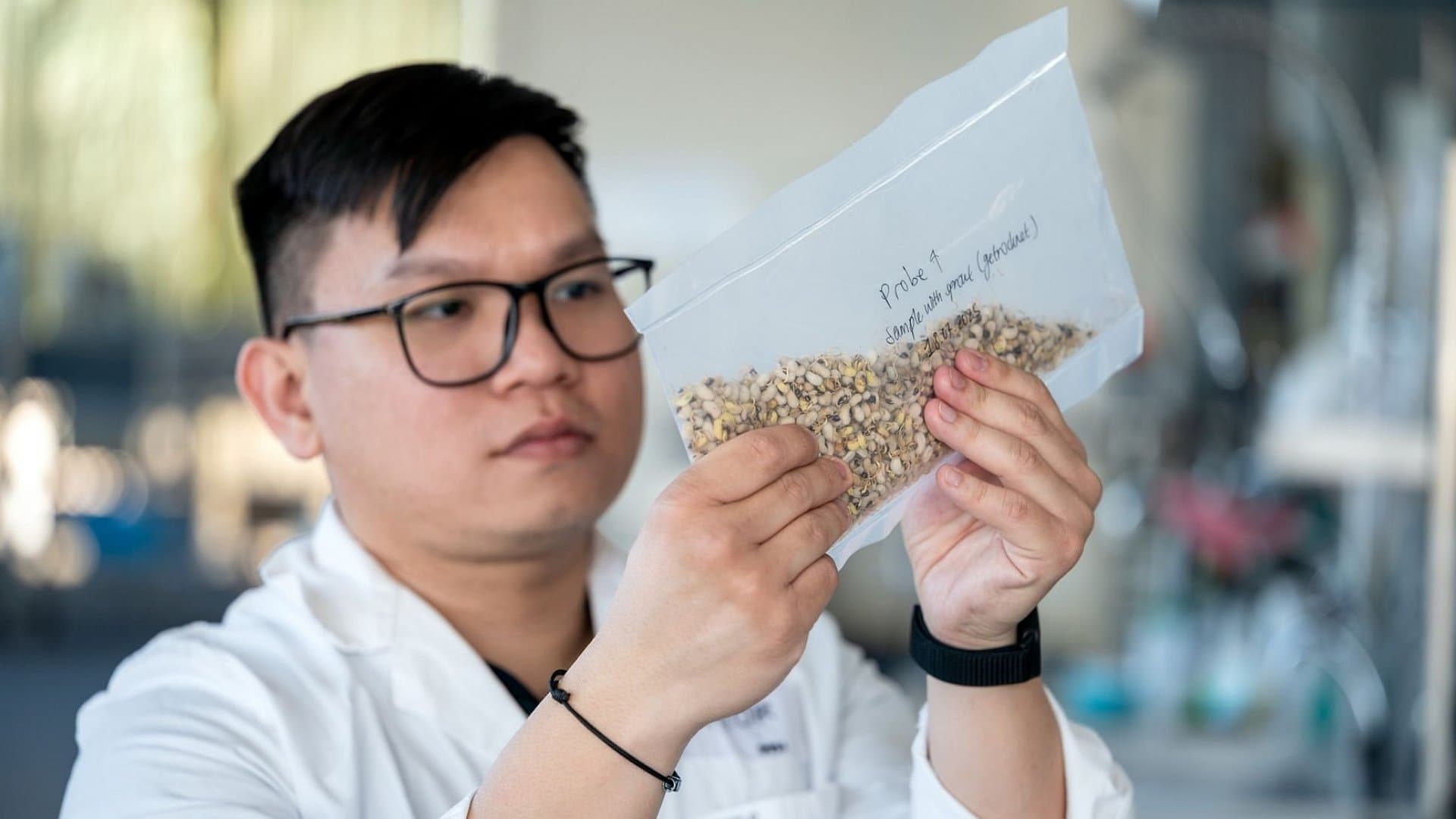
Cowpea has the kind of profile food companies love on paper: it brings protein, survives heat and drought, and grows in places where other crops struggle. IITA says cowpea grain contains about 25% protein and is grown across Africa, Asia, Europe, the United States, and Central and South America, which gives it a wider footprint than many people realize. That makes it more than a regional staple. It is a plausible candidate for the next wave of affordable, climate-smart protein ingredients.
The real appeal is not just nutritional. Cowpea sits at the intersection of food security, agricultural resilience, and ingredient diversification, three pressures that are shaping the protein market right now. As manufacturers look beyond soy, pea, and dairy, cowpea offers a crop that can feed people directly, support animal feed systems, and fit into climate-stressed farming regions without demanding the same fertilizer intensity as more input-hungry crops.
The protein case is solid, but not automatic
Cowpea is not a blank slate. A 2025 review describes cowpea grains as rich in proteins, complex carbohydrates, vitamins, minerals, and phenolics, and places them firmly in the sustainability and nutrition-security conversation. Another source puts cowpea grain protein in the rough range of 20% to 30%, depending on variety and source, which is respectable for a legume and close enough to established plant protein ingredients to matter in formulation work.
That said, protein quantity is only the first hurdle. The industry does not buy ingredients because they look good on a nutrition panel alone. It buys them when they process cleanly, taste acceptable, and behave predictably in a burger, beverage, snack, or baked good. Cowpea can clear the nutrition bar, but the commercialization question is whether it can perform consistently enough to compete with soy and pea in real-world products.
The agronomy is where cowpea looks especially strong
Cowpea’s farming story is the part that feels closest to a genuine edge. The crop is drought tolerant and can fix atmospheric nitrogen, and one review says it may fix up to 80% of the nitrogen in the soil. That lowers dependence on synthetic fertilizer, which can reduce costs for farmers and make the crop more attractive in regions where input prices are volatile or access is limited.
The geography matters too. FAO material says West and Central Africa account for about 80% of the world’s harvested area of cowpeas, while Gates Ag One says more than 90% of the world’s cowpea is grown in Africa. That concentration tells you two things at once: cowpea is deeply embedded in local food systems, and it already supports millions of growers and consumers rather than sitting on the margins as an experimental crop. In sub-Saharan Africa and South Asia, it remains a vital food source, which is exactly why it has such relevance for nutrition security.
Cowpea’s biggest strength may also be its biggest commercialization challenge
The crop already has a broad identity as food and feed, but ingredient markets need more than identity. They need separation into protein fractions, stable supply, standardized specs, and repeatable functionality from batch to batch. That is where cowpea still has work to do if it wants to stand shoulder to shoulder with soy and pea in industrial food systems.
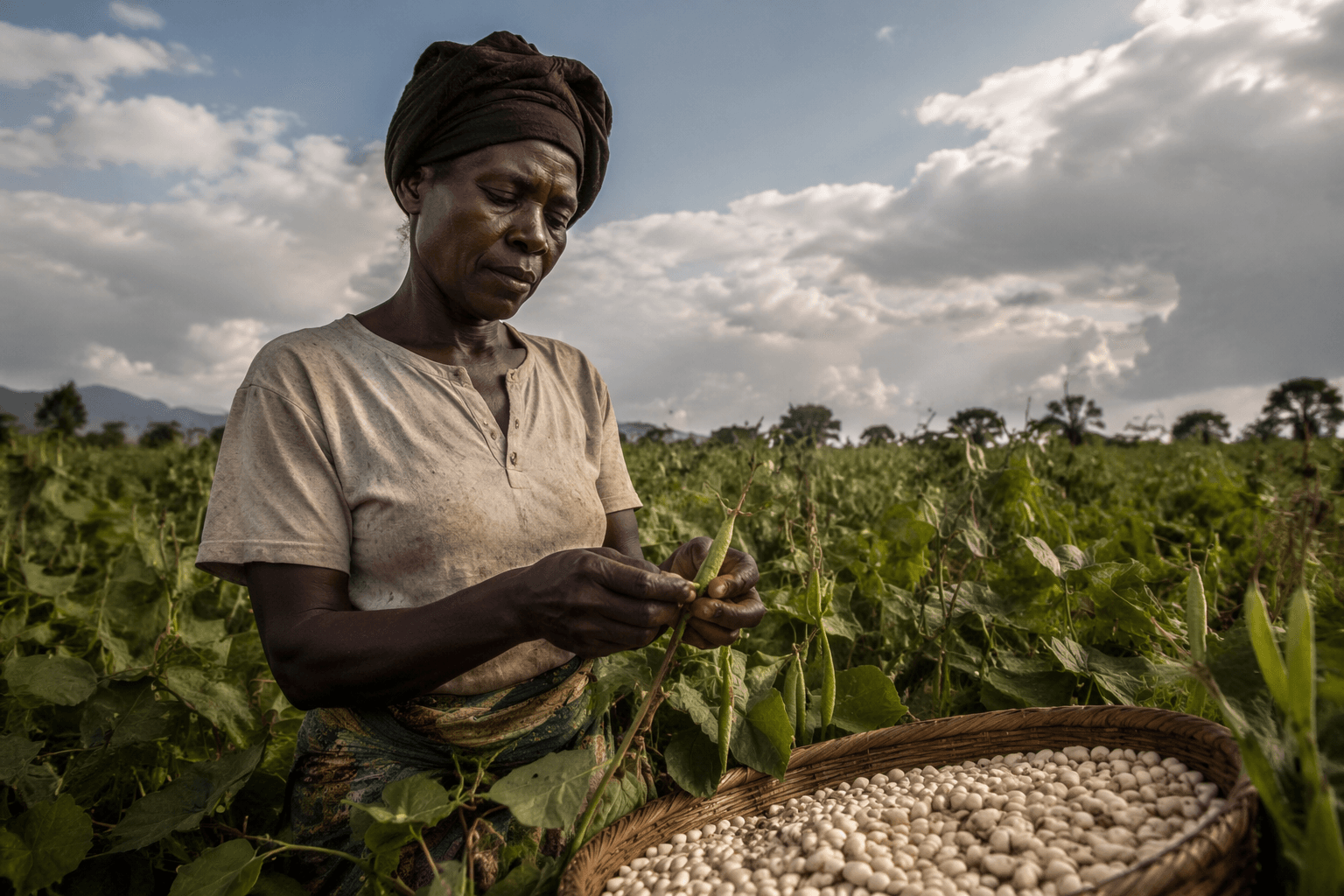
Victor Christian Kaharso’s work points directly at that gap. His investigation into how cowpea can be used as a valuable food ingredient reflects a larger shift in the sector: the crop is moving from a farm crop to a formulation candidate. That shift sounds simple, but it is usually where promising ingredients stall, because food companies need more than a good story. They need an ingredient that can be milled, isolated, texturized, and blended without creating flavor problems or process headaches.
Processing advances are helping, but the toolbox is still being built
Recent research suggests cowpea proteins are becoming a serious technical subject, not just a nutrition talking point. A 2025 review covers cowpea proteins in terms of chemistry, extraction, techno-functionality, modification, and food applications, which is exactly the kind of framework you would expect before an ingredient can move into larger-scale commercialization. A 2026 study on cowpea protein isolate goes even further, aiming to characterize physicochemical properties, protein quality, and metabolic and intestinal parameters after consumption.
That matters because the food industry does not commercialize raw crops, it commercializes behavior. If cowpea proteins can be isolated efficiently and tuned for solubility, emulsification, gelation, or foaming, they become much more useful in everything from high-protein snacks to dairy alternatives. Recent work also suggests high-intensity ultrasound can improve cowpea protein extraction functionality while offering a simpler and more sustainable approach, which is the kind of processing upgrade that can lower friction for manufacturers.
Consumer acceptance will decide whether cowpea stays niche or scales
Even with better extraction and stronger functionality, cowpea still has to win in the mouth and in the market. Consumers do not buy “drought tolerant” or “nitrogen fixing” as standalone attributes, they buy foods that taste right, cook predictably, and fit into familiar eating habits. That is why cowpea’s long-standing role as a staple in Africa and South Asia is an advantage, but not a guarantee of mainstream acceptance in new product categories.
The broader alternative protein market is also more competitive than it was a few years ago. The Good Food Institute’s 2024 State of Alternative Proteins report says the sector saw expanded production capacity, innovation hubs, and new product launches in 2024, which means cowpea is entering a field where companies are already fighting for shelf space, manufacturing scale, and investor attention. In that environment, a crop needs a sharper commercial edge than “promising” to break through.
The bottom line on cowpea
Cowpea has the fundamentals that matter: meaningful protein content, a strong agronomic story, and a deep base of real-world use in food and feed. It also has the kind of sustainability narrative that now shapes ingredient buying, especially when climate stress and affordability are forcing buyers to rethink where protein comes from.
But the commercialization gap is still the story. Cowpea will not compete with soy and pea simply because it is resilient and nutrient-dense. It will compete when breeders, processors, and product developers can turn that resilience into a reliable ingredient platform, one that delivers consistent protein quality, workable functionality, and enough consumer appeal to move from niche promise to scalable protein contender.
This article was produced by Prism’s automated news system from verified source data, official records, and press releases, then run through automated quality and moderation checks before publishing. The system is built and supervised by the people who set the standards it runs under. Read our full AI policy.
Did this article answer your question?