Ede fermentation hub opens pre-pilot lab to bridge scale-up gap
Ede’s BFF has switched on its 10-30 liter pre-pilot lab, giving fermentation startups a shared path toward 1,000-liter and 10,000-liter scale.
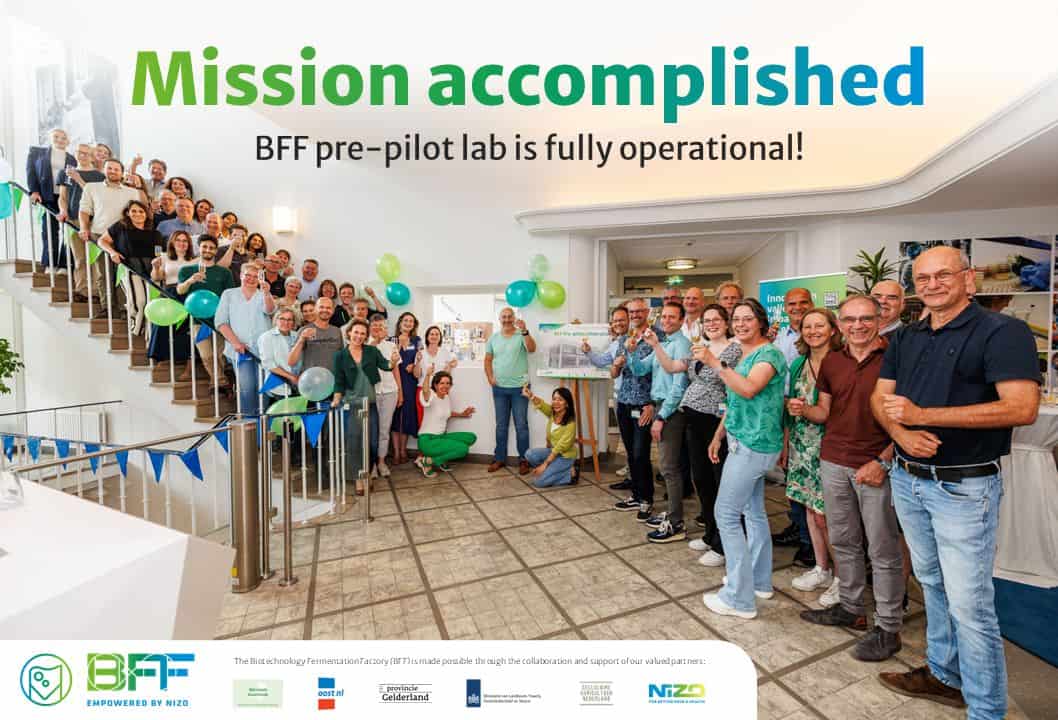
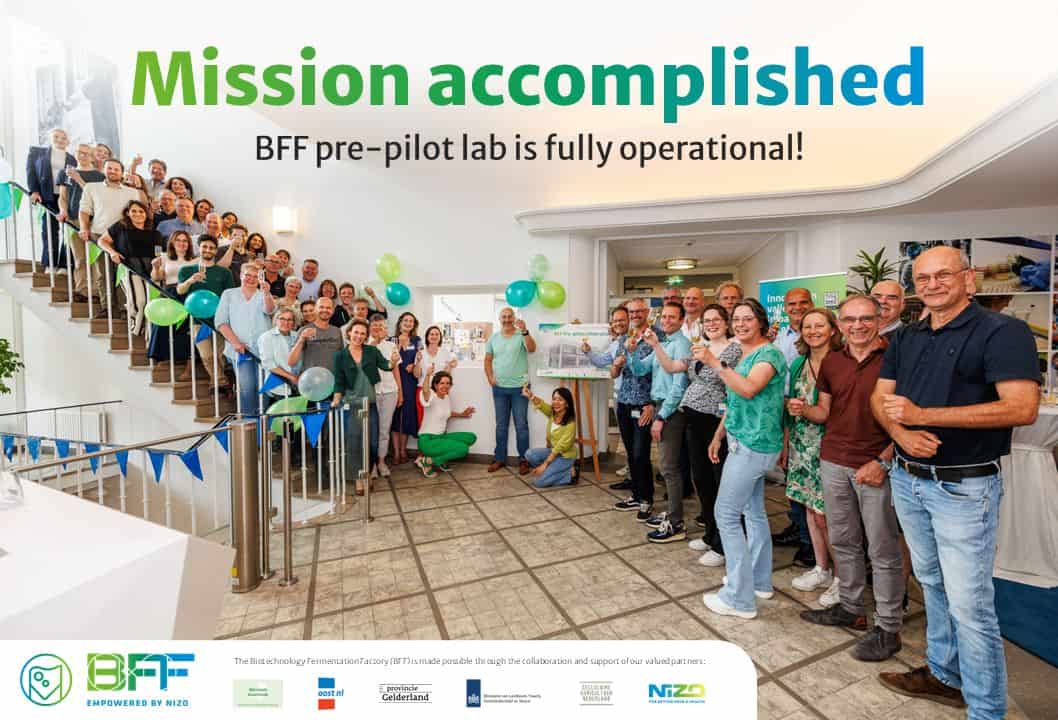
Open-access fermentation capacity is fast becoming the real bottleneck in precision proteins, not the science. In Ede, the Biotechnology Fermentation Factory is trying to cut that bottleneck down to size by giving companies a place to start work in a 10-30 liter pre-pilot lab while the larger facility is still being built, then move into food-grade pilot infrastructure without having to finance their own plant from scratch.
NIZO said the pre-pilot lab was already operational when it marked the project’s kick-off in Ede, where more than 180 invited guests turned up. The facility is being built as an open-access scale-up hub for precision and biomass fermentation, with infrastructure for proteins, enzymes, fats, downstream processing, R&D labs and regulatory support. It is co-financed by NIZO, supported by Oost NL through the Perspectieffonds Gelderland, and backed by a €12.5 million grant from the Dutch National Growth Fund for Cellular Agriculture.
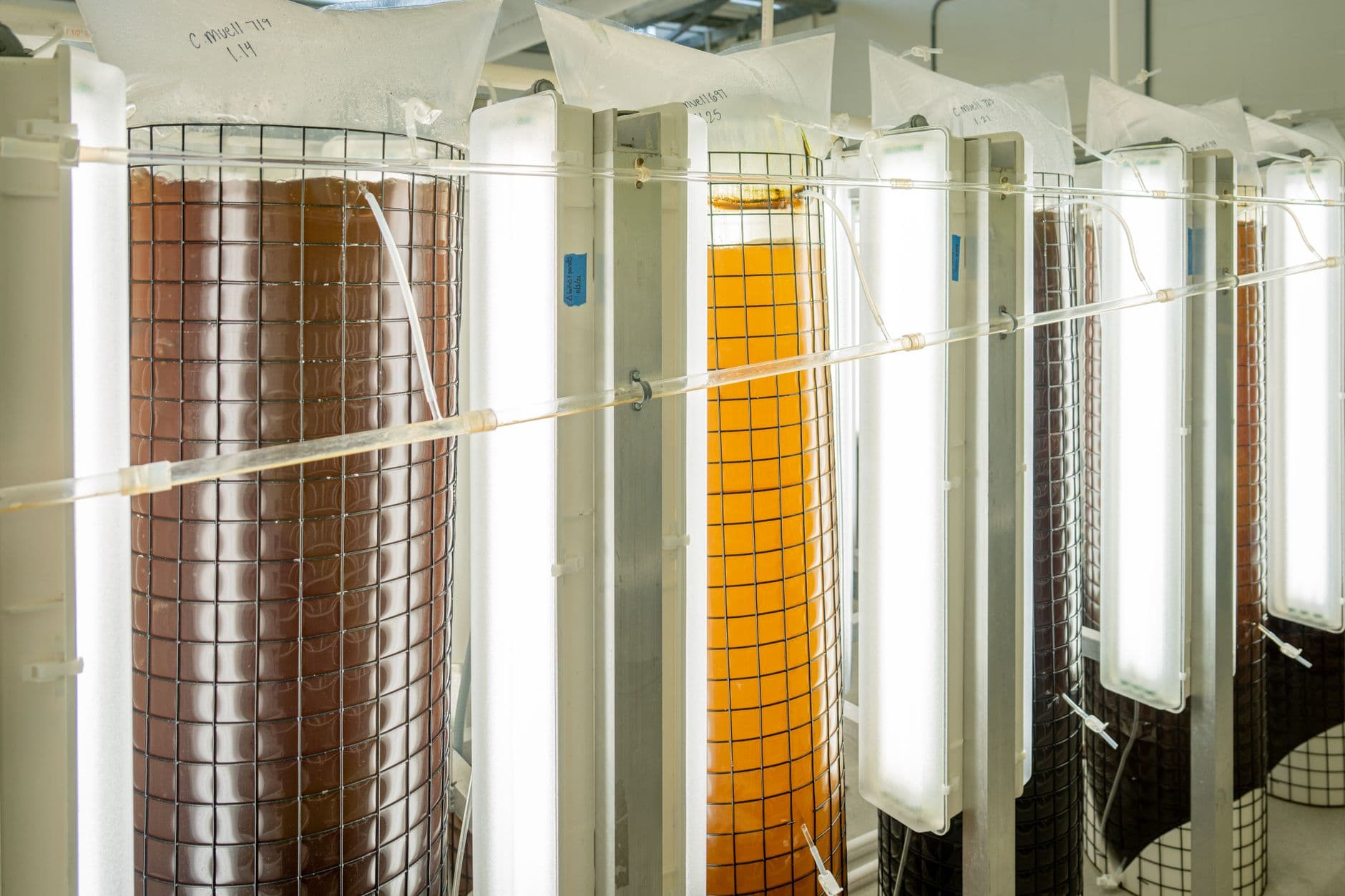
The technical ramp is where BFF starts to look useful in a hard-nosed way. GEA Group has been selected to deliver and commission the precision- and biomass-fermentation upscaling line in Ede, with products in scope including animal-free dairy proteins, egg-white proteins, specialty enzymes, flavors and fragrances, and other biomolecules. BFF’s planned pilot line includes 1,000-liter and 10,000-liter fermenters, plus integrated upstream and primary recovery steps. The pre-pilot facility is set to run at 10-30 liters, with pilot installation in 2026 and operations starting in 2027.
That matters because the scale-up gap has killed more than a few promising fermentation businesses. Companies can often prove an ingredient in the lab, but moving into factory-scale, food-grade production takes capital, time and operational know-how that many startups do not have. NIZO has said its campus already includes Europe’s largest food-grade and open-access pilot plant, and it has described the broader Ede site as a food innovation park and a European hub for protein innovation.
The timing is not accidental. The project was first announced in January 2025 as an open-access scale-up facility on NIZO’s campus, and it lands alongside a broader Dutch infrastructure push that also includes a cultivated-meat facility effort in Maastricht. With partners such as Vivici and Mosa Meat in the ecosystem, and the European Commission committing €350 million in July 2025 to life-sciences funding that includes fermentation technologies, Ede is positioned as more than a local buildout. If BFF works as intended, it could shorten time-to-scale for smaller companies and help Europe close the manufacturing gap with the U.S. and Asia.
This article was produced by Prism’s automated news system from verified source data, official records, and press releases, then run through automated quality and moderation checks before publishing. The system is built and supervised by the people who set the standards it runs under. Read our full AI policy.
Did this article answer your question?