EIT Food Maps Five Ways to Speed Protein Diversification in Europe
Europe has the pieces for a protein shift, but EIT Food says the real test is whether regulation, finance, industry and trust can move in step.
Regulatory agility
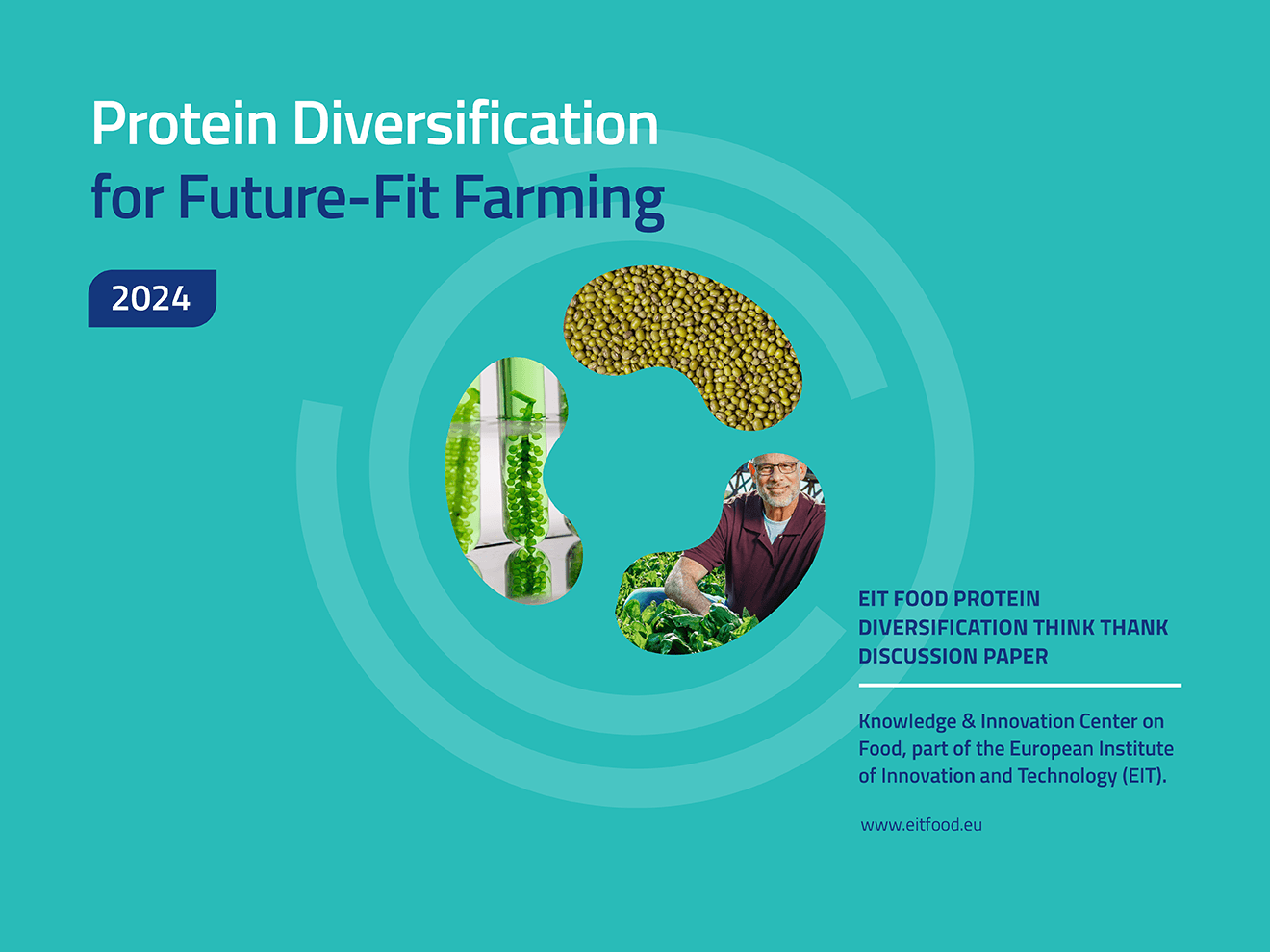
EIT Food’s Protein Diversification Think Tank, created in 2022 to pull protein diversification into the mainstream, now frames the issue as a systems test rather than a product debate. Working with futures experts at VTT Technical Research Centre of Finland, it surveyed 140 organisations, 131 of them European, and mapped four plausible futures for Europe’s protein system out to 2035 and 2050. The most desirable outcome was the “Circular Protein Renaissance”; the scenario respondents saw as the most likely if nothing changes was an “Uneven Protein Transition.”
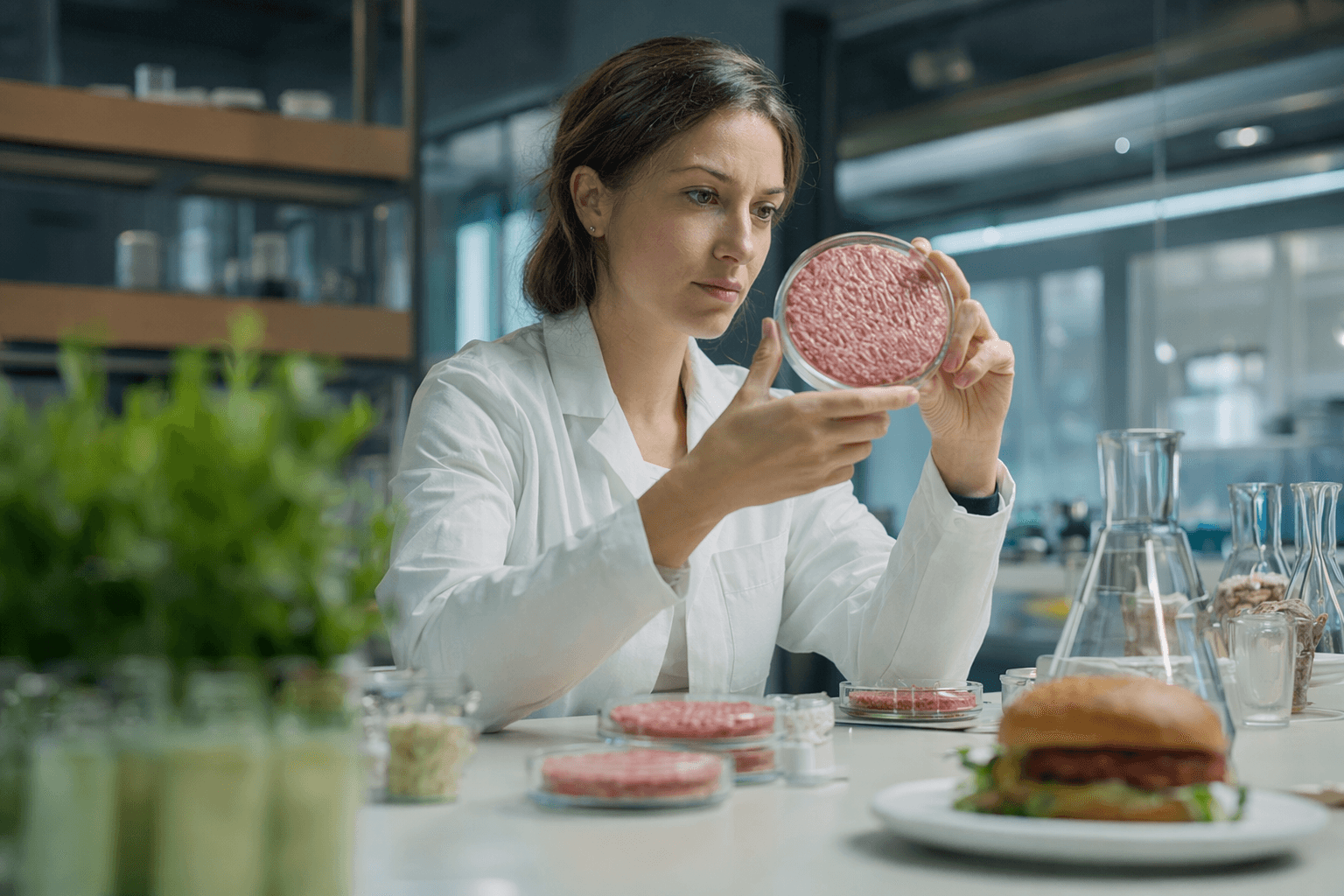
That gap between ambition and inertia points straight to the first bottleneck: regulation. Europe already has the research base, startups and consumer interest to diversify protein sources, but approval processes remain slow and complex, and that slows everything else behind them. The European Parliament’s resolution on a European protein strategy, adopted on 19 October 2023 and published in the Official Journal on 29 April 2024, made the case for more circularity between plant-based and animal-based proteins as part of a more sustainable food system. Easing the route from lab to market is the most immediate lever because it can unlock investment, product launches and procurement decisions at the same time.
Blended public-private financing
The second lever is money, but not just more of it. EIT Food’s roadmap points to blended public-private financing because Europe will not get from promising pilots to industrial scale on private capital alone, especially when public investment is also needed to strengthen self-reliance and cut pressure on land and imports. That matters in a region still heavily dependent on imported protein crops, especially soybeans from Argentina, Brazil and the United States, a dependency the European Parliament has already flagged as a strategic weakness.
This is also where farmer incentives come into focus. If growers are expected to shift rotations, supply alternative protein feedstocks or back new value chains, they need predictable demand, shared risk and a credible processing market nearby. The policy case is no longer abstract: EU leaders at Versailles in March 2022 singled out higher EU production of plant-based proteins as a way to improve food security and reduce food prices, and a Nature study later showed why the prize is so large, finding that redesigning a European circular food system could cut land use by 44 percent and greenhouse-gas emissions by 70 percent compared with the current system. Financing is the bridge between that vision and the farm gate.
Energy-efficient biomanufacturing and circular processing hubs
If policy and capital are the first gates, industrial capacity is the one that turns diversification into volume. EIT Food’s roadmap highlights energy-efficient biomanufacturing and circular processing hubs because Europe cannot build a resilient protein system without infrastructure that can process ingredients efficiently, handle side streams and make better use of biological resources. The logic is simple: protein diversification is not a replacement exercise, it is a redesign of supply chains, and redesign needs factories, utilities and logistics that can support new flows.
This is where the land and import problem becomes operational. Circular hubs can make the most of what Europe already grows and recovers, reducing waste while creating more value from the same biomass. They also fit the broader policy direction already visible in Brussels, where protein strategy has moved into the realm of industrial competitiveness as much as agriculture. The weak point is that industrial build-out is slow, expensive and energy-sensitive, so the real task is to make these hubs bankable and efficient enough for manufacturers to adopt at scale.
Consumer familiarisation and trust-building
No protein transition gets far if consumers do not see the new mix as normal. That is why the roadmap puts consumer familiarisation and trust-building on the same footing as investment and industrial policy. Europe has rising demand for plant-based proteins, and the Parliament has already acknowledged that trend, but demand alone does not guarantee sustained adoption if products remain niche, confusing or mistrusted.
This is where the broader messaging of the think tank matters. The protein transition is not just about swapping one ingredient for another; it is about changing how food is made, sold and understood. Food companies, retailers and public procurement systems all have a role in giving consumers repeated, low-friction exposure to new protein options, because familiarity lowers resistance and trust lowers the perceived risk of change. Without that, the most advanced policy package still stalls at the shelf.
Open digital transparency for traceability and safety
The fifth lever, open digital transparency, addresses the trust problem from the other side of the chain. If Europe wants protein diversification to scale as a strategic food system shift, it needs traceability and safety data that can be verified across suppliers, processors and regulators. That is not just about compliance. It is about making a new market legible enough for buyers, public authorities and consumers to trust it.
The European Commission’s agri-food data portal already tracks monthly imports and exports of oilseeds and protein crops using Eurostat COMEXT data, a reminder that protein is now a live industrial and trade question, not merely a climate talking point. More open digital systems would extend that logic through the value chain, helping Europe monitor origin, processing and safety with far more precision. In a field where the stakes include food security, rural income, industrial competitiveness and climate targets, transparency is not a nice-to-have. It is the layer that lets the rest of the roadmap hold together, and the one most likely to determine which regions move first and capture the gains.
This article was produced by Prism’s automated news system from verified source data, official records, and press releases, then run through automated quality and moderation checks before publishing. The system is built and supervised by the people who set the standards it runs under. Read our full AI policy.
Did this article answer your question?