Fermeate raises $2 million to boost light-controlled fermentation
Fermeate’s $2 million seed round backed light-controlled fermentation as a process-control play aimed at making protein production cheaper and more predictable.
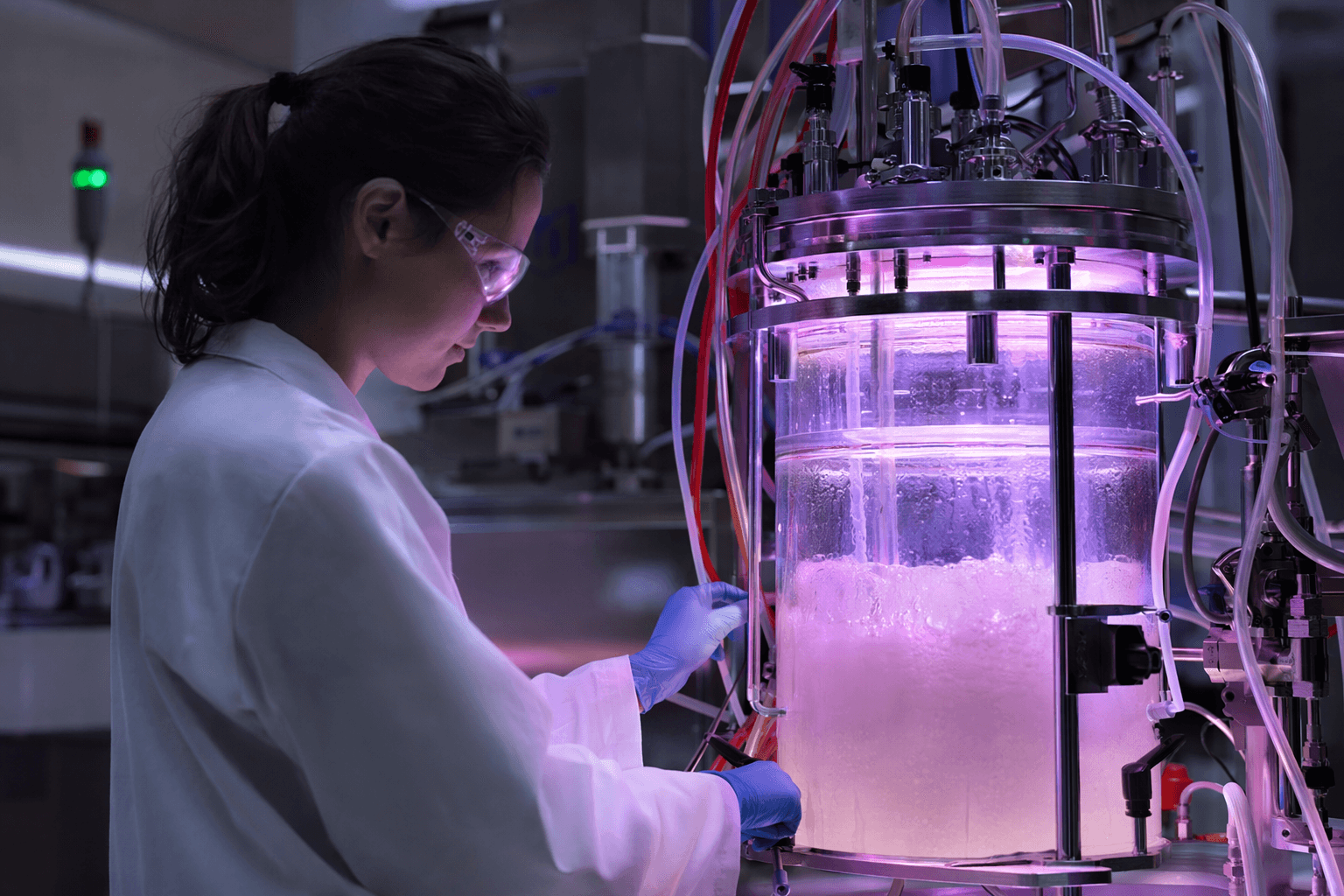
Fermeate raised $2 million in seed funding to push a light-controlled fermentation platform that its backers are treating as a manufacturing tool, not just another biotech bet. The California startup said the round was led by Newfund Capital and included SOSV, Ajinomoto Group Ventures, Ki Tua Fund, Heuristic Capital Partners, Momentum Capital, Plug and Play, Tesserakt Ventures and Ag Startup Engine.
The company, founded in 2024 by Kevin Xu and Saurabh Malani, both PhD alumni of Princeton University’s Avalos Lab, builds optogenetic control for industrial-scale precision fermentation. Fermeate’s system embeds light-sensitive proteins into microbial genetic circuitry, then uses pulsed, programmed light to control gene expression during fermentation. The pitch is straightforward: give manufacturers a more precise way to steer microbes than the chemical or temperature-based controls that have long shaped bioprocessing.
That matters because precision fermentation lives or dies on process control. If microbes can be pushed into growth mode and then switched into production mode at exactly the right moment, in the same tank and over the same run time, producers may be able to improve yields, cut batch variability and lower the cost of making proteins and other ingredients. Fermeate says the new funding will support its mission to transform unit economics and move precision fermentation closer to cost parity.
Fermeate said it is already working with fermentation companies on pilot programs spanning multiple products and applications. The company also said it was one of three winners of the inaugural Bezos Centre for Sustainable Protein Challenge at the Asia-Pacific Agri-Food Innovation Summit in Singapore, a sign that the platform has caught the attention of the sustainable protein sector as it looks for practical ways to improve industrial performance.
The broader scientific case for the approach is already established. Princeton and Avalos Lab materials have described optogenetics as a tool for dynamic control of microbial fermentation and metabolic engineering, and a Nature Chemical Biology study found that light-based regulation can offer tunability, reversibility, dynamic induction strength and spatial control that are difficult to achieve with chemical inducers. Fermeate is trying to move those advantages from the lab into production environments.
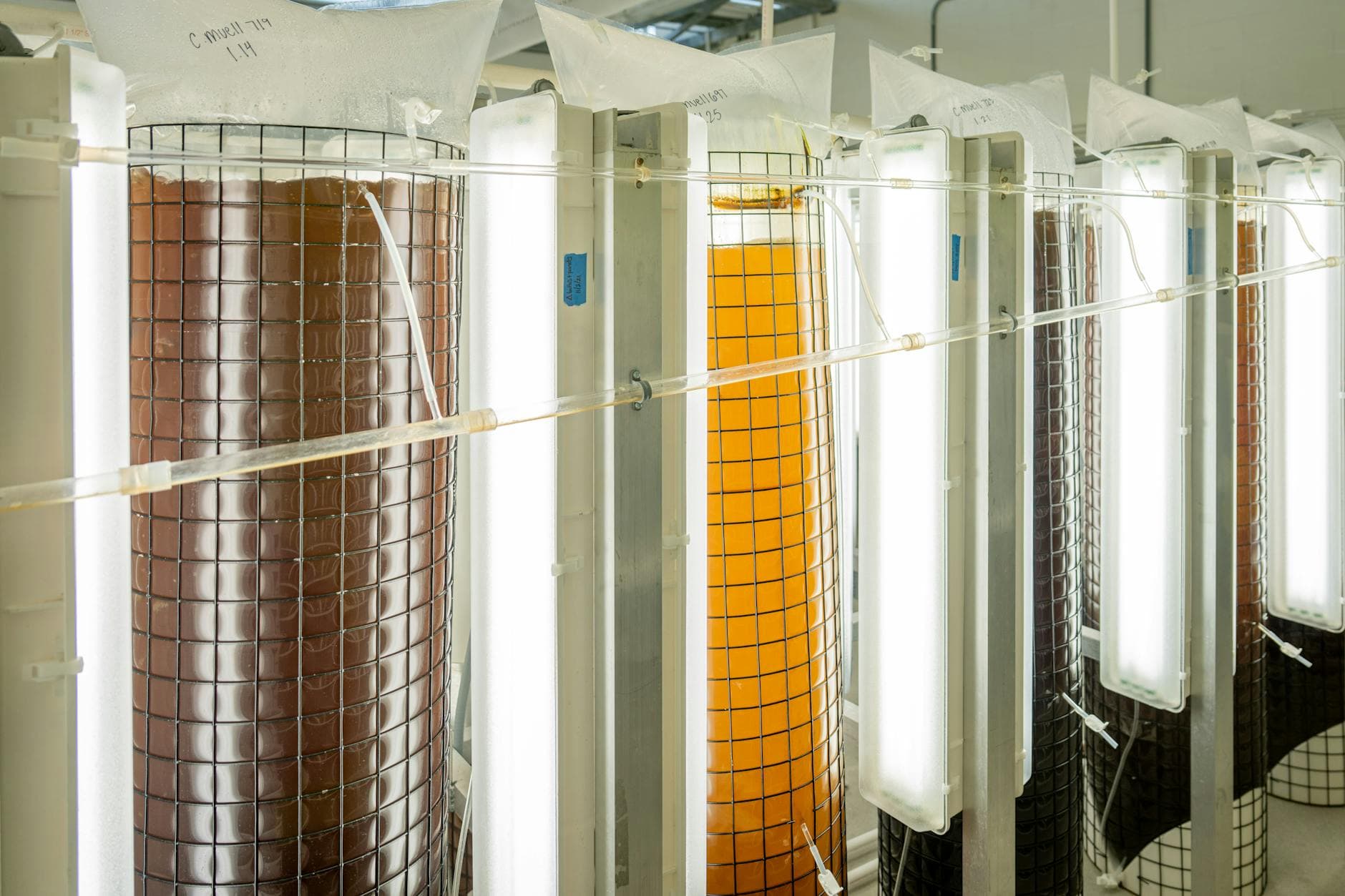
The company has also said it has reported productivity improvements ranging from 60% to 300% in industrial collaborations, depending on the application and organism. Those figures are company-reported, but they underline the central question now facing Fermeate: whether light-based control can do more than improve experiments and actually change the economics of fermentation at commercial scale.
For ingredient makers and protein developers, that is the real test. If Fermeate’s platform can materially lower the cost of producing functional proteins, the round will look less like a routine seed raise and more like an early wager on the next layer of fermentation infrastructure.
This article was produced by Prism’s automated news system from verified source data, official records, and press releases, then run through automated quality and moderation checks before publishing. The system is built and supervised by the people who set the standards it runs under. Read our full AI policy.
Did this article answer your question?