Food Network guide spotlights the best ready-to-drink protein shakes
Ready-to-drink shakes earn their keep when they deliver enough protein, modest sugar, and real satiety. The dietitian-led guide separates useful convenience from pricey hype.

A bottle in a supermarket cooler now sells protein as a daily convenience food, not just a gym-bag backup, but it only justifies its price when it solves a problem. Food Network’s dietitian-led guidance focuses on protein source, sugar load, texture, satiety, and ingredient quality as much as flavor.
What changed in the protein aisle
The Vitamin Shoppe’s 2025 Health & Wellness Trend Report says supplemental protein has become a core wellness staple in ready-to-drink beverages, bars, and snacks. The category now reaches busy parents, office workers, athletes, and people using GLP-1 medications who want smaller, nutrient-dense options.
Ready-to-drink protein beverages are now segmented by protein type, protein source, packaging type, distribution channel, and geography, with whey, casein, soy, and other proteins all competing in animal-based and plant-based formats. The bottle in a supermarket cooler, a pharmacy grab-and-go case, or a convenience-store door does not win on the same terms as a scoop of powder at home.
How to read a bottle before you buy it
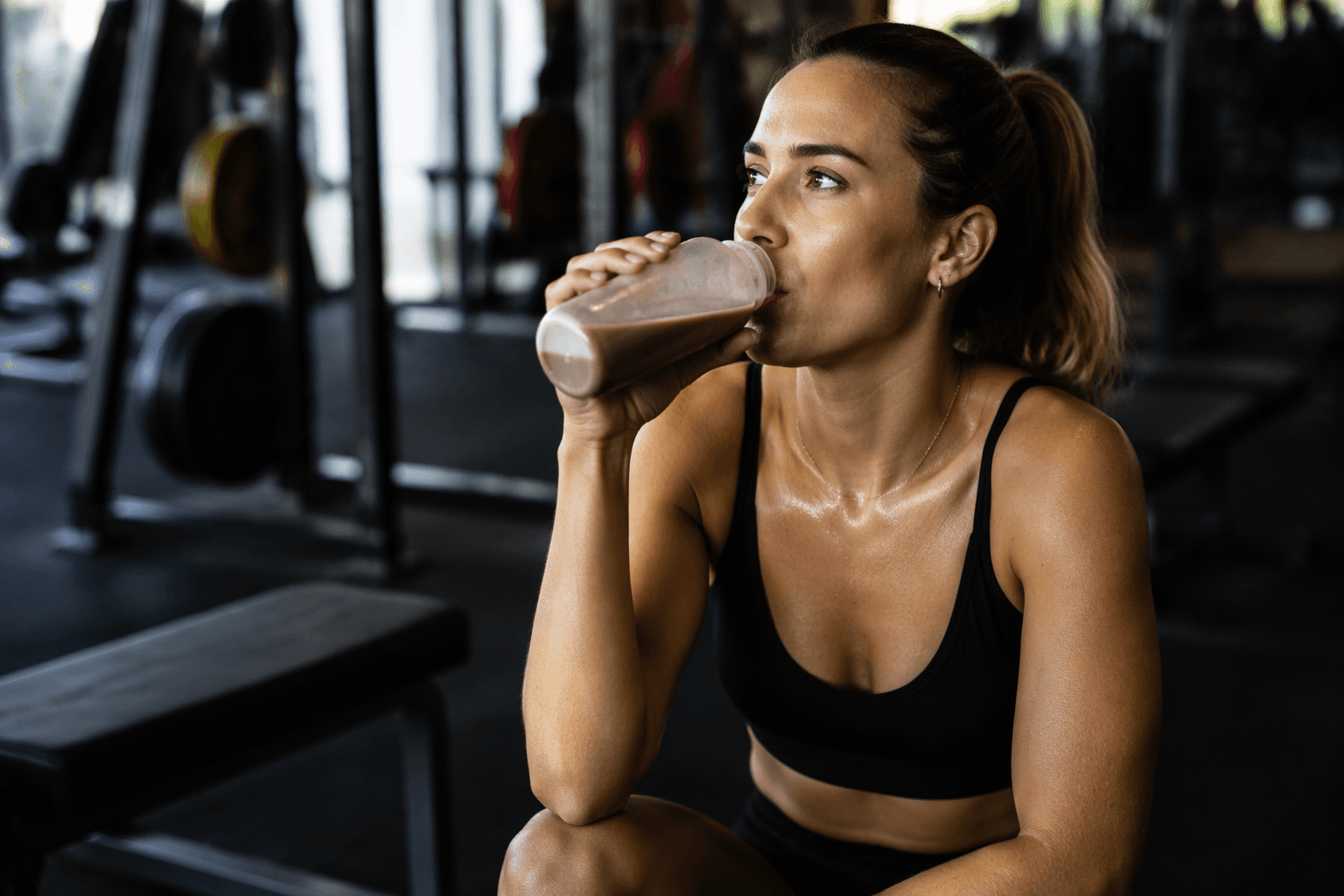
The simplest trap in this aisle is treating every shake with a muscle icon as interchangeable. For a snack, a protein shake should provide at least 10 grams of protein; after a workout, 20 to 30 grams. EatingWell’s dietitian guidance also recommends products that have been independently tested.
A few label checks do most of the work:
- Added sugars must be listed on the Nutrition Facts label, so the sugar line should never be treated as hidden.
- Foods that want to market themselves as healthy face a higher bar under the FDA’s updated “healthy” claim rule, which makes front-of-pack wording less useful than the actual nutrition panel.
- Cost per bottle only makes sense when paired with protein grams and satiety, because a cheaper shake that leaves you hungry is still a bad buy.
- Ingredient quality matters when the list reads more like flavored dessert than a functional beverage.
A creamy dairy-style shake can feel like a treat, while a lighter, more beverage-like format may travel better and sit more comfortably after training. Neither is automatically better; the right choice depends on whether you want a true meal bridge, a post-workout recovery drink, or just something cold and sweet on the commute.
Why protein source changes the experience
Protein grams are only part of the story. A 2023 study in the Journal of the American College of Nutrition found that acute appetite and satiety responses varied by protein source, with casein and pea protein isolate producing greater acute changes than whey when compared with soy in healthy adults.
If one shake tastes good but disappears fast and fails to blunt hunger, it may not work for the 3 p.m. gap between lunch and dinner. If another has more staying power but a chalkier mouthfeel, it may be better after a workout than as an on-the-go breakfast replacement.
Where RTD shakes actually earn a place in the day
Post-workout, a shake that clears the 20 to 30 gram protein range can bridge the gap before a meal. During a rushed morning, a bottle can stand in for the breakfast you did not have time to assemble. In the late afternoon, it can act as a controlled, portable option for people trying to avoid a vending machine detour.
GLP-1-driven lifestyles are part of the current emphasis on smaller, nutrient-dense formats. The Food Institute tied protein shakes to that shift on May 15, 2026. Consumers with reduced appetites still need protein, and that has pushed brands toward products that feel more substantial than juice but less heavy than a full meal.
When convenience turns into expensive branding
The weak shakes are easy to spot once you know what to compare. If a bottle is high in added sugar, low in protein, thin on satiety, and padded with marketing language about wellness or clean living, it is not delivering much beyond a chilled dose of ultra-processed convenience. In that case, the premium price mostly buys positioning, not nourishment.
This article was produced by Prism’s automated news system from verified source data, official records, and press releases, then run through automated quality and moderation checks before publishing. The system is built and supervised by the people who set the standards it runs under. Read our full AI policy.
Did this article answer your question?