Nature Protocols unveils method to map lipid-protein interactions
Nature Protocols published a functional lipid-probe protocol that could standardize how labs chart lipid-protein interactomes across membrane biology and disease.
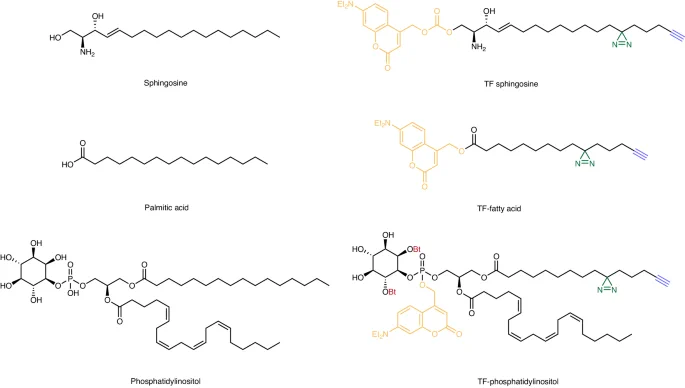
Nature Protocols published “Identifying lipid–protein interactomes with functional lipid probes” on July 22, 2026, giving researchers a dedicated workflow for mapping how lipids and proteins connect inside cells. The protocol lands at a moment when protein behavior is increasingly being understood in its lipid context, from membranes to organelle contact sites and disease-linked lipid homeostasis.
A 2026 bioRxiv preprint titled “An Integrated Method for Profiling Lipid–Protein Interactions Using Multifunctional Lipid Probes” said cellular lipids shape health and disease through specific protein interactions, yet lipid-protein networks remain poorly defined. It also said that despite rapid advances in functional lipid probes, the field still lacked a practical, dedicated protocol for lipid-protein interaction studies. The Nature Protocols method addresses that technical gap by turning probe-based chemistry into a standardized measurement workflow that can be reused across systems.
The timing lines up with a run of closely related papers that show how active this corner of proteomics has become. Communications Chemistry published “Chemoproteomics identifies protein ligands for monoacylglycerol lipids” on July 4, 2025, extending ligand discovery to a specific lipid class. Nature Communications followed on March 3, 2025, with “Proximity proteomics reveals a mechanism of fatty acid transfer at lipid droplet-mitochondria-endoplasmic reticulum contact sites,” while Nature published “Systematic analyses of lipid mobilization by human lipid transfer proteins” on January 7, 2026. Together, those studies point to a field moving beyond one-off observations toward broader maps of how lipids bind, move and signal through proteins.
The new protocol also fits into a longer methodological lineage. An older review, “Emerging methodologies to investigate lipid–protein interactions,” had already cataloged the tools available for the problem, and a related line of work in protein-protein interaction mapping using fully functionalized small-molecule probes showed how chemical biology can scale interaction discovery. Nature Communications also demonstrated the reach of lipid-network mapping in 2020, publishing “A global lipid map defines a network essential for Zika virus replication” on July 21, 2020. The practical advance here is not a single interaction result, but a clearer route to systematic lipid-protein measurements that can feed drug discovery, membrane biology and studies of disease where protein function depends on lipid environment.
This article was produced by Prism’s automated news system from verified source data, official records, and press releases, then run through automated quality and moderation checks before publishing. The system is built and supervised by the people who set the standards it runs under. Read our full AI policy.
Did this article answer your question?