Harvard Health explains how much protein you really need daily
Most healthy adults need about 0.8 grams of protein per kilogram a day, not a constant stream of shakes. Age, training, and kidney health can push that number higher or lower.
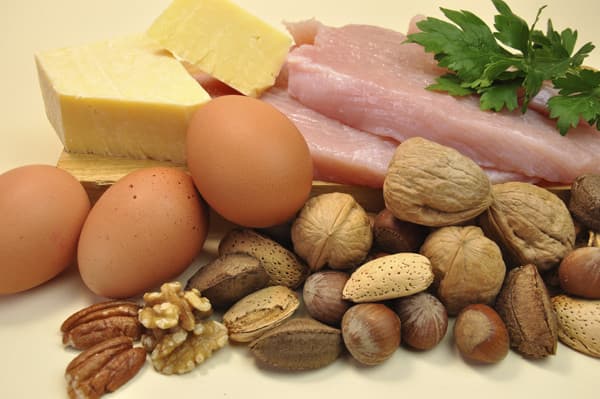
The National Institutes of Health Office of Dietary Supplements sets the recommended dietary allowance for protein for most healthy adults at 0.8 grams per kilogram of body weight per day. For a 70-kilogram adult, about 154 pounds, that comes to about 56 grams daily, a target that is not hard to reach if meals are built with intention. The right target depends on body weight, age, training load, and health status.
Start with the baseline, not the label claim
For most healthy adults, the baseline is more modest than the marketing suggests. The point of the RDA is adequacy, not maximalism.
Questions about daily protein needs have persisted for years. A 2015 Harvard Health blog post addressed daily protein needs, and Harvard’s separate coverage on seniors shows the question never really went away, especially once people start worrying that the standard adult recommendation may be too low for aging bodies. Harvard T.H. Chan School of Public Health’s Nutrition Source has also kept a dedicated protein explainer in circulation.
Who needs more, and why
Older adults are the clearest group where the baseline may not be enough. Some research suggests people in later life may need about 1 to 1.2 grams per kilogram per day, and that range has been debated for years in peer-reviewed reviews focused on protein requirements in older people. The Academy of Nutrition and Dietetics has also published position papers on nutrition for older adults, reinforcing that this is a distinct population with different needs than younger healthy adults.
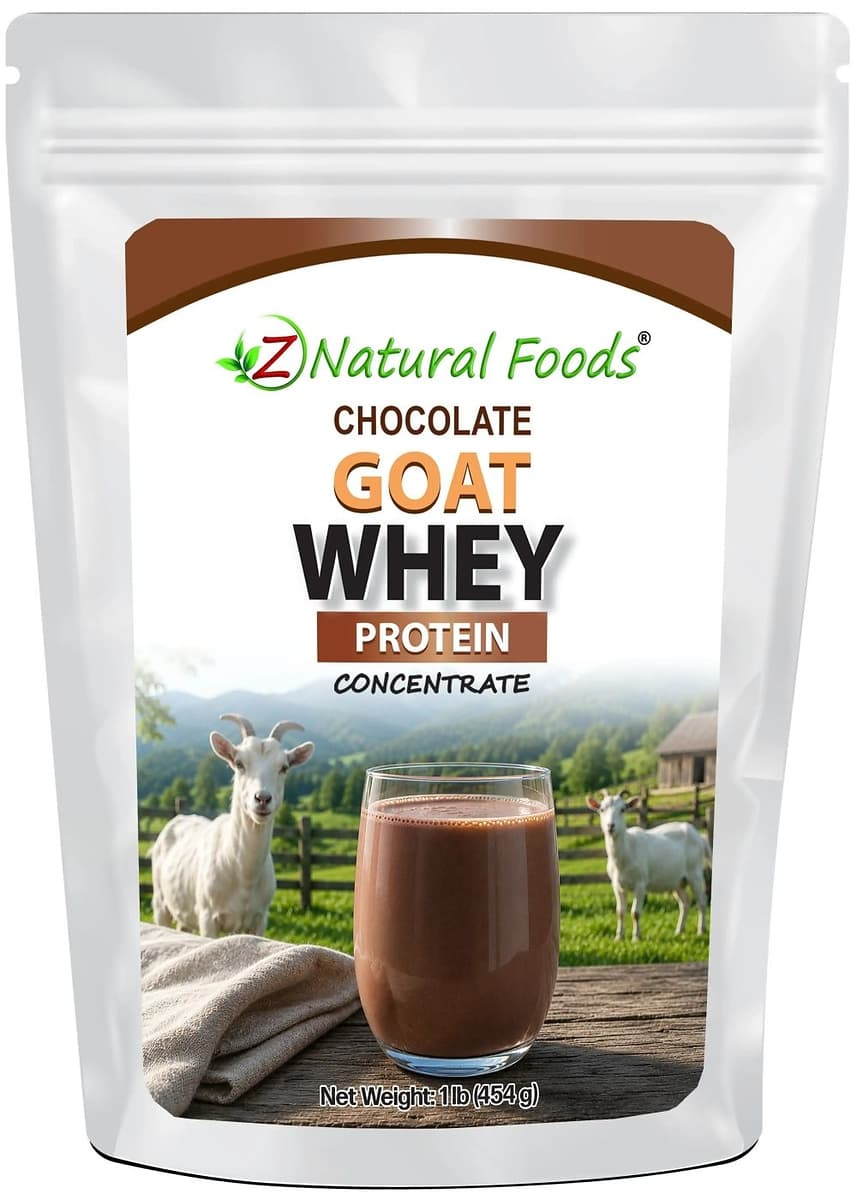
Athletes are another separate case. On June 10, 2016, the NIH Office of Dietary Supplements published a fact sheet on dietary supplements for exercise and athletic performance that recognized endurance and strength athletes may need more protein than sedentary adults. A marathon runner, a lifter, and someone spending most of the day at a desk are not solving the same nutritional problem, even if they are all staring at the same tub of powder.
Illness recovery can also change the equation. Protein needs can rise when the body is repairing tissue or trying to preserve lean mass, which is why the right target depends on health status as much as body weight. A number that makes sense for a healthy, training adult may be wrong for someone dealing with medical issues.
Turn grams into meals, not just math
The easiest way to use the RDA is to spread protein across the day instead of trying to jam it into one giant dinner or a late-night shake. Protein is doing work all day long, not just after a workout. A practical pattern looks more like protein at breakfast, protein at lunch, protein at dinner, plus a snack if you need it.
That can mean eggs or Greek yogurt in the morning instead of coffee and toast alone. It can mean chicken, fish, tofu, beans, or tempeh at lunch rather than leaving protein to a bar eaten between meetings. It can mean a dinner plate that includes a clear protein anchor instead of treating it as an afterthought. If you are trying to hit a higher target for age or training, a ready-to-drink shake can be a convenience tool.
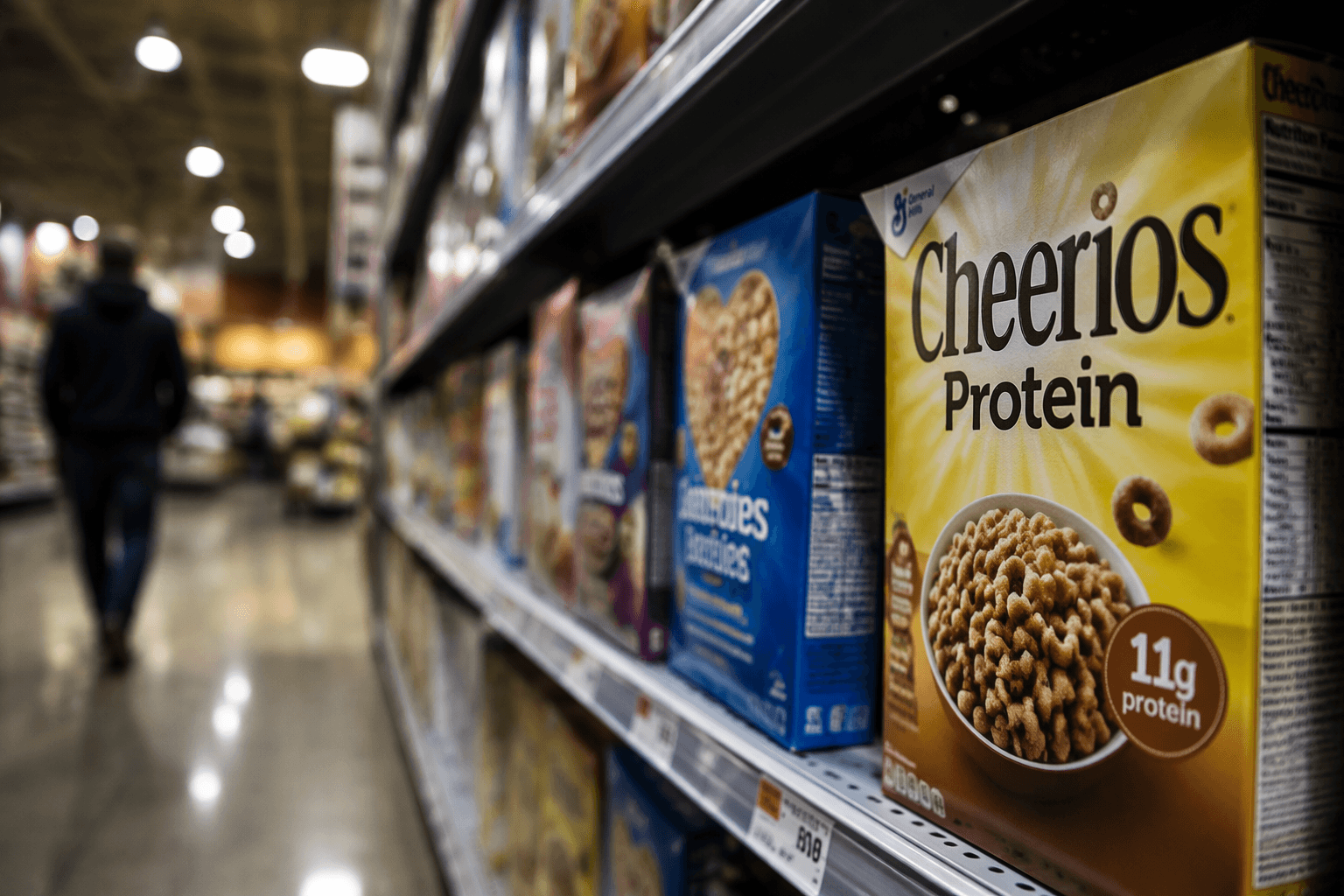
Premier Protein markets a ready-to-drink shake with 30 grams of protein and 160 calories, which shows how brands translate protein into portable, low-calorie convenience. That kind of product can help close a gap, but it should still fit into the day instead of replacing meals.
Protein quality matters more than protein hype
Protein is not just about the number on the front of the package. Animal proteins are complete sources of essential amino acids, while plant proteins can also work well when you choose and combine them appropriately. That distinction matters as consumers compare whey powders, plant-based blends, meal replacements, and hybrid products that mix both approaches.
Where high-protein marketing goes too far
More protein is not a magic bullet, and it is not automatically better for body composition, energy, or health. Overall diet quality still matters, and kidney health belongs in the conversation, especially for anyone tempted by constant high-protein messaging.
Harvard Health advises that people with kidney disease need individualized medical advice, not a blanket push toward more protein.
This article was produced by Prism’s automated news system from verified source data, official records, and press releases, then run through automated quality and moderation checks before publishing. The system is built and supervised by the people who set the standards it runs under. Read our full AI policy.
Did this article answer your question?