Big food bets on protein fail to halt sales declines
General Mills pushed Cheerios Protein toward a $100 million business, but Big Food's protein blitz still has not stopped sales declines.
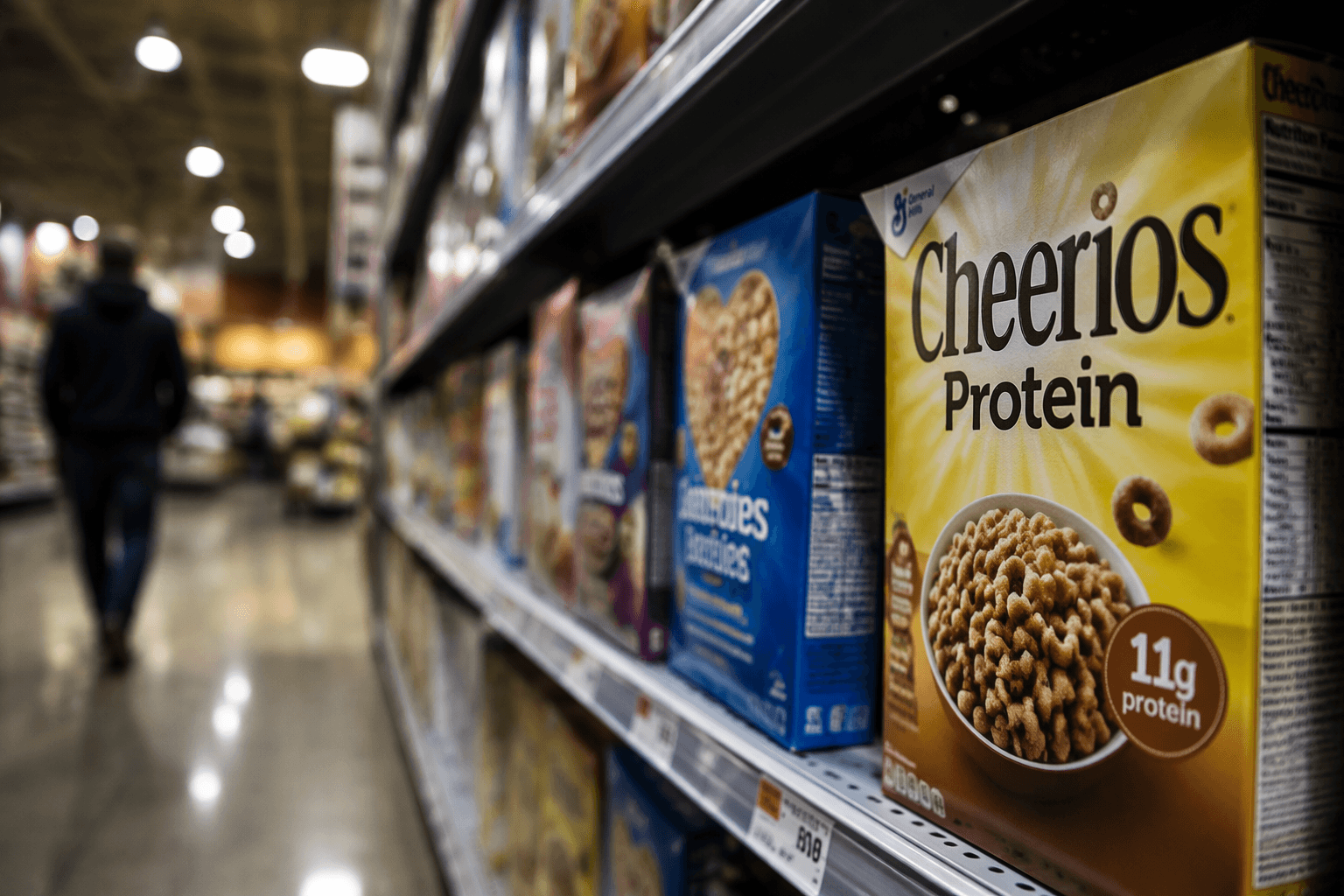
General Mills said Cheerios Protein was on track to become a $100 million business by the end of 2026, even as the broader Big Food playbook of adding protein, cutting prices and spending more on marketing has failed to stop sales declines. The rush has turned into a numbers game across grocery aisles, with food makers introducing 97 new products with protein in the brand name in 2024, more than double the year before.
That growth has not translated into an easy win for the biggest packaged-food companies. The Wall Street Journal said smaller brands are capturing much of the growth in packaged foods, leaving legacy players squeezed by changing shopper habits and investor skepticism. General Mills, Kraft Heinz and PepsiCo have all leaned harder into protein, but the strategy has largely amounted to defending shelf space rather than restoring momentum.
General Mills has been one of the clearest examples of the bet. CNBC said in July 2025 that the company generated more than $100 million in retail sales from its protein cereal lines in fiscal 2024, a figure that showed the category could scale. By October 16, 2025, Baking Business said General Mills was investing in both price and protein, a sign that the company was trying to keep the message broad enough to pull in shoppers watching both nutrition and checkout totals.
The cereal line kept climbing. Baking Business said on February 19, 2026, that General Mills’ protein cereal line was on track to reach $200 million in sales, doubling from $100 million in fiscal 2025. In live coverage on March 18, 2026, The Wall Street Journal said Cheerios Protein alone was on track to be a $100 million business by year-end, while General Mills was bringing more protein to more products. That kind of line extension has become the industry’s default response, but it still has to compete with brands that already sit in shoppers’ minds as high-protein purchases, not just as familiar staples with a new label.

The pressure on traditional packaged food is getting worse, not better. Reuters said on February 18, 2026, that big food companies were pouring millions into rebrands as obesity drugs reshape U.S. demand, adding another reason the protein halo is not enough on its own. The latest wave of launches shows how much money the largest food companies are willing to spend to chase a trend, and how little that has done so far to reverse the sales slide.
This article was produced by Prism’s automated news system from verified source data, official records, and press releases, then run through automated quality and moderation checks before publishing. The system is built and supervised by the people who set the standards it runs under. Read our full AI policy.
Did this article answer your question?