Food Network updates protein powder guide, spotlights personalized picks by need
Food Network’s updated protein powder guide swaps one-size-fits-all thinking for personalized picks built around flavor, digestion, budget and daily routines.
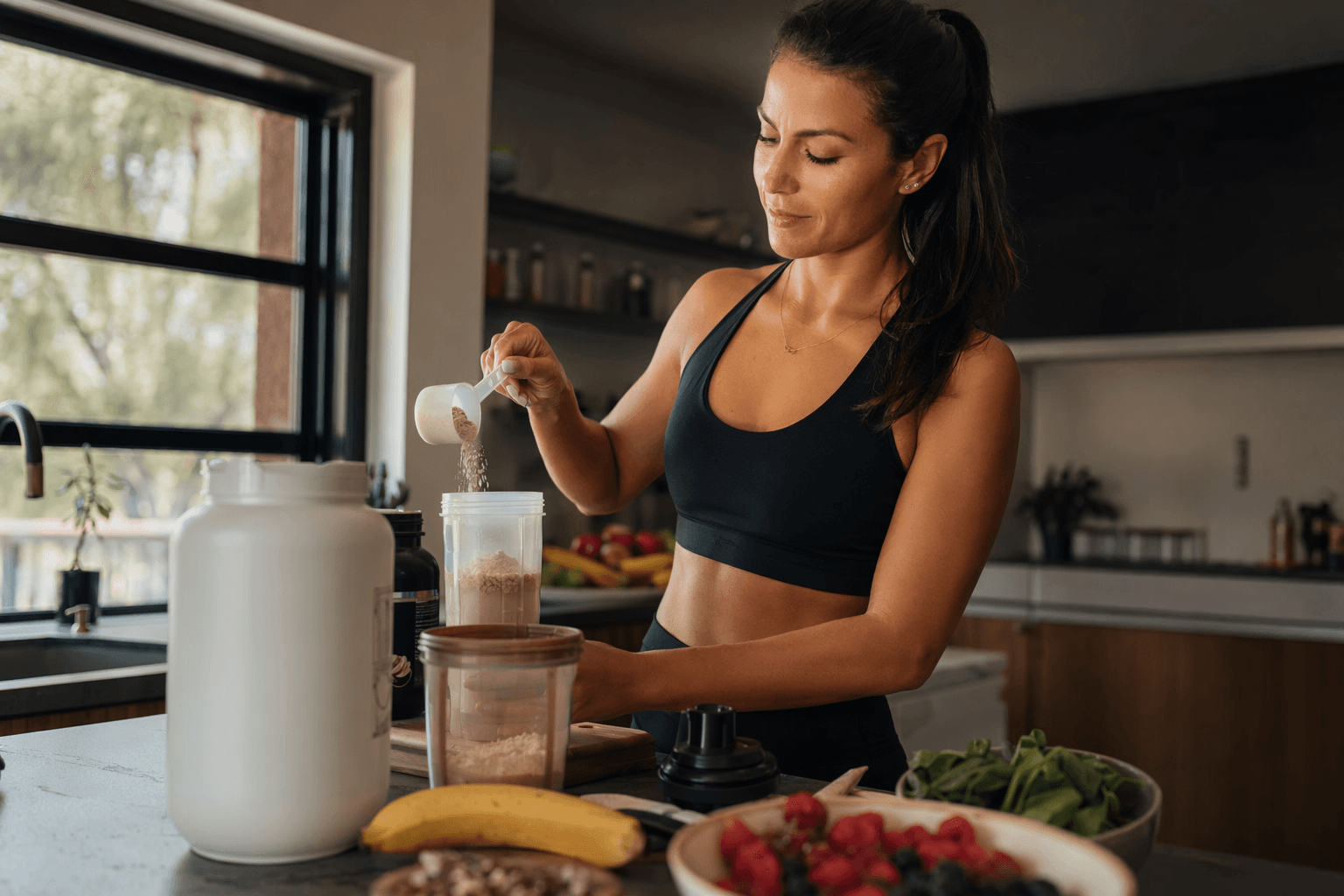
Protein powder is being judged by fit, not just numbers
Food Network’s updated protein powder guide treats protein powder as a tool, not a trophy. Written by Dana Angelo White, a registered dietitian and certified athletic trainer, it makes a simple case: powders should supplement gaps in the diet, not replace whole foods, and roughly one serving a day is a reasonable use case for many shoppers.
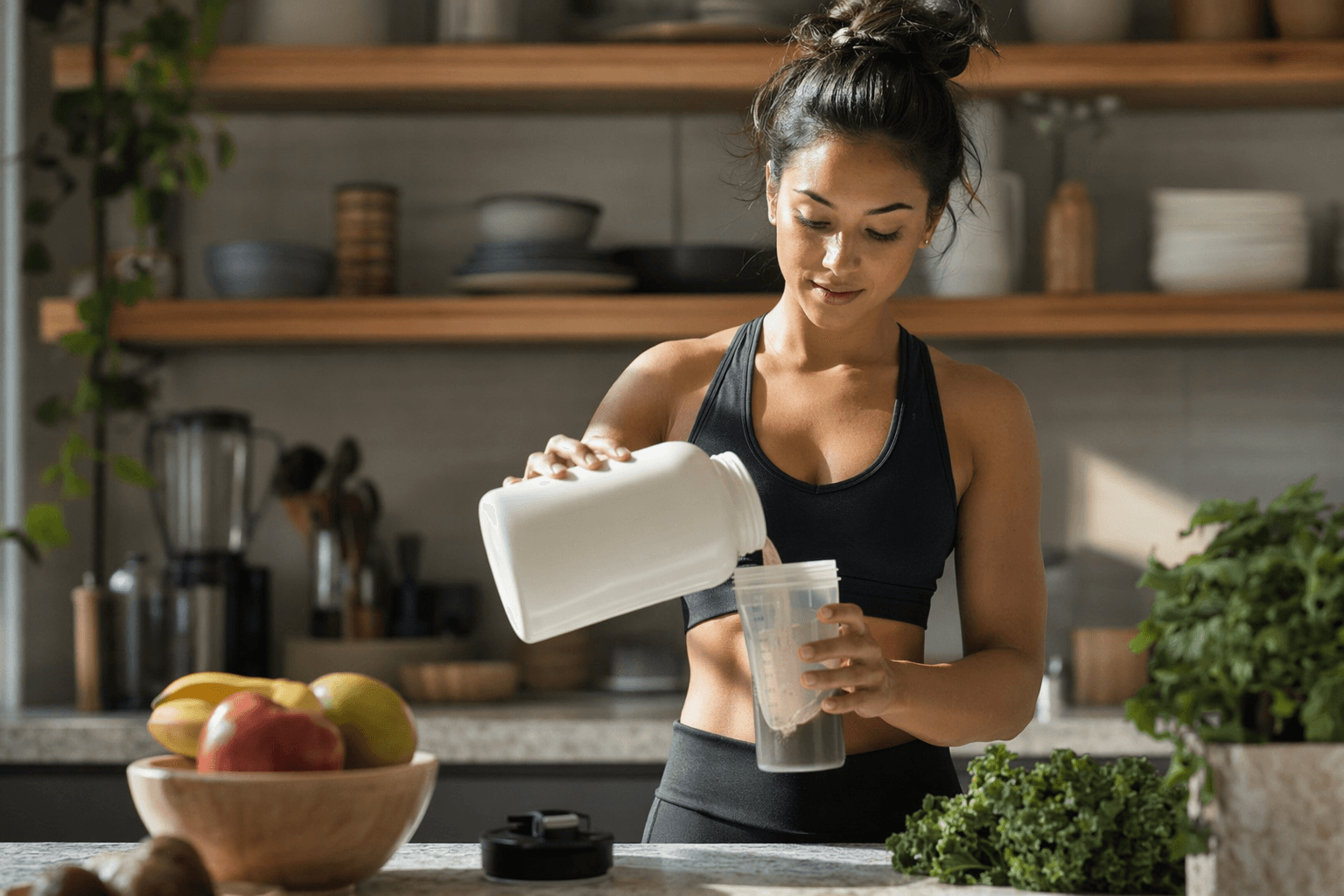
That framing matters because the category has become crowded and complicated. Ingredient lists can run long, formulas are not interchangeable, and the best choice depends on whether the goal is workout recovery, meal boosting, convenience, flavor variety, gut comfort, or cost control. The guide’s real message is that “dietitian-approved” now means more than high protein. It means matching the tub to the actual job.
The new protein decision starts with the use case
The most useful way to shop is to stop asking which powder has the most protein and start asking what problem the powder is supposed to solve. Some buyers want something fast after training. Others want an easy way to add protein to breakfast. Some need a product that is easier on digestion, while others care most about clean labels, plant-based formulas, or a price they can keep paying month after month.
That shift shows up in the guide’s structure. Instead of pushing a single champion, it separates products by need: Thorne Whey Protein Isolate is the best overall pick, NOW Foods Whey Protein Creamy Chocolate is the best chocolate option, BioSteel Vanilla Whey Protein Isolate is the best vanilla, Optimum Nutrition Gold Standard 100% Whey is the best budget-friendly choice, Transparent Labs 100% Grass-Fed Whey Protein Isolate stands out for flavor outside the chocolate-vanilla lane, Vega Sport Protein Powder is the best vegan pick, NAKED Grass Fed Whey is the best clean-label option, Neue Theory is the best gut-healthy choice, and Bob’s Red Mill Almond Protein Powder is the most versatile.
For athletes, the priorities are recovery and consistency
If protein powder is part of a training routine, the guide points you toward products that are easy to use consistently and easy to trust day after day. Whey remains the mainstay for mainstream shoppers, and the best overall slot going to Thorne Whey Protein Isolate reinforces that position. Optimum Nutrition Gold Standard 100% Whey, singled out as the best budget-friendly pick, also speaks directly to athletes who need a dependable option without paying premium prices every time they restock.
Flavor still matters here, because a powder that tastes off tends to sit unused on the shelf. That is why the guide makes room for NOW Foods Whey Protein Creamy Chocolate, BioSteel Vanilla Whey Protein Isolate, and Transparent Labs 100% Grass-Fed Whey Protein Isolate. The category is not just about performance anymore. It is about whether the shake is tolerable enough to become part of a real routine.
For older adults, simpler formulas often win
Older adults often evaluate protein powder differently from younger gym-goers. The most useful questions are usually about simplicity, digestibility, and whether the product can be integrated into everyday eating without fuss. In that context, clean-label and gut-friendly formulas become more relevant than flashy marketing claims.
NAKED Grass Fed Whey fits that mindset because the guide highlights it as the best clean-label option, while Neue Theory earns the best gut-healthy designation. Both answers point to a practical truth: for many people, especially those who want to keep nutrition straightforward, fewer distractions on the ingredient list can matter as much as the protein count itself. Bob’s Red Mill Almond Protein Powder also fits this audience well because versatility makes it easier to mix into different meals instead of forcing another standalone shake.
For GLP-1 users and busy parents, convenience has to be gentle
People using GLP-1 medications, and parents who barely have a spare minute, usually need the same thing from a protein powder: easy portioning, quick preparation, and a product that works in small, realistic amounts. That is where the guide’s emphasis on using powder to supplement rather than replace whole foods becomes especially practical. One serving a day can function as a bridge, not a meal plan.
For these shoppers, the strongest choices are often the powders that can disappear into a smoothie, stirred drink, or breakfast bowl without creating more work. Bob’s Red Mill Almond Protein Powder stands out because the guide labels it the most versatile, and that flexibility can be useful when the goal is to add protein to a crowded day rather than build a dedicated shake ritual. Flavor-specific picks like the chocolate and vanilla options also matter, because taste fatigue is often what derails consistency.
For people with digestive issues, tolerance is part of the label
Digestive comfort is no longer a side note in protein powder buying. The guide’s inclusion of Neue Theory as best gut-healthy shows that shoppers are increasingly looking for formulas that feel easier on the body, not just stronger on paper. That concern overlaps with another part of the guide’s message: ingredient lists can get long, and long lists do not automatically equal better products.
This is where the personalization approach becomes most useful. If a powder creates discomfort, it is a poor fit no matter how much protein it contains. Buyers with sensitive stomachs may gravitate toward simpler, cleaner formulas or toward products that are explicitly positioned around gut health, while others may prefer vegan or almond-based options for their own tolerance reasons.
What the guide says about the category’s future
The biggest industry takeaway is that protein powder has matured. It is still a foundational category, but the conversation has shifted from bulk and bodybuilding to personalization, digestibility and everyday meal support. The guide also reflects how the market is spreading out: whey still dominates for mainstream shoppers, but plant-based and specialty formats have carved out real space for themselves.
That is why the most useful reading of the guide is not that one powder wins. It is that different shoppers now need different answers, and a modern protein aisle has to serve them all. In that sense, the guide is less a verdict than a map, and the map is clearly moving toward individualized nutrition rather than generic one-bottle solutions.
This article was produced by Prism’s automated news system from verified source data, official records, and press releases, then run through automated quality and moderation checks before publishing. The system is built and supervised by the people who set the standards it runs under. Read our full AI policy.
Did this article answer your question?