Global protein boom opens new profit lane for Irish dairy
Ireland’s dairy edge is shifting from volume to value, with whey and protein ingredients offering the clearest route to higher margins.

The real prize is not more milk, it is more margin
Ireland’s dairy sector is being handed a better opportunity than a simple export lift: the global protein boom is turning grass-based milk into a higher-value ingredient business. The old model, built around bulk commodity sales, still matters, but the market is now paying up for protein-rich products that can perform in food, drink and nutrition applications, not just fill tanker volumes.
That matters because the addressable market has widened fast. Protein is no longer only a sports nutrition story. It now runs through infant formula, ready-to-drink beverages, snack applications and premium everyday foods, which gives Irish processors more places to sell and more ways to earn. The strategic question is whether Ireland can convert that demand into enduring margin before rivals do the same.
Why whey is where the money is moving
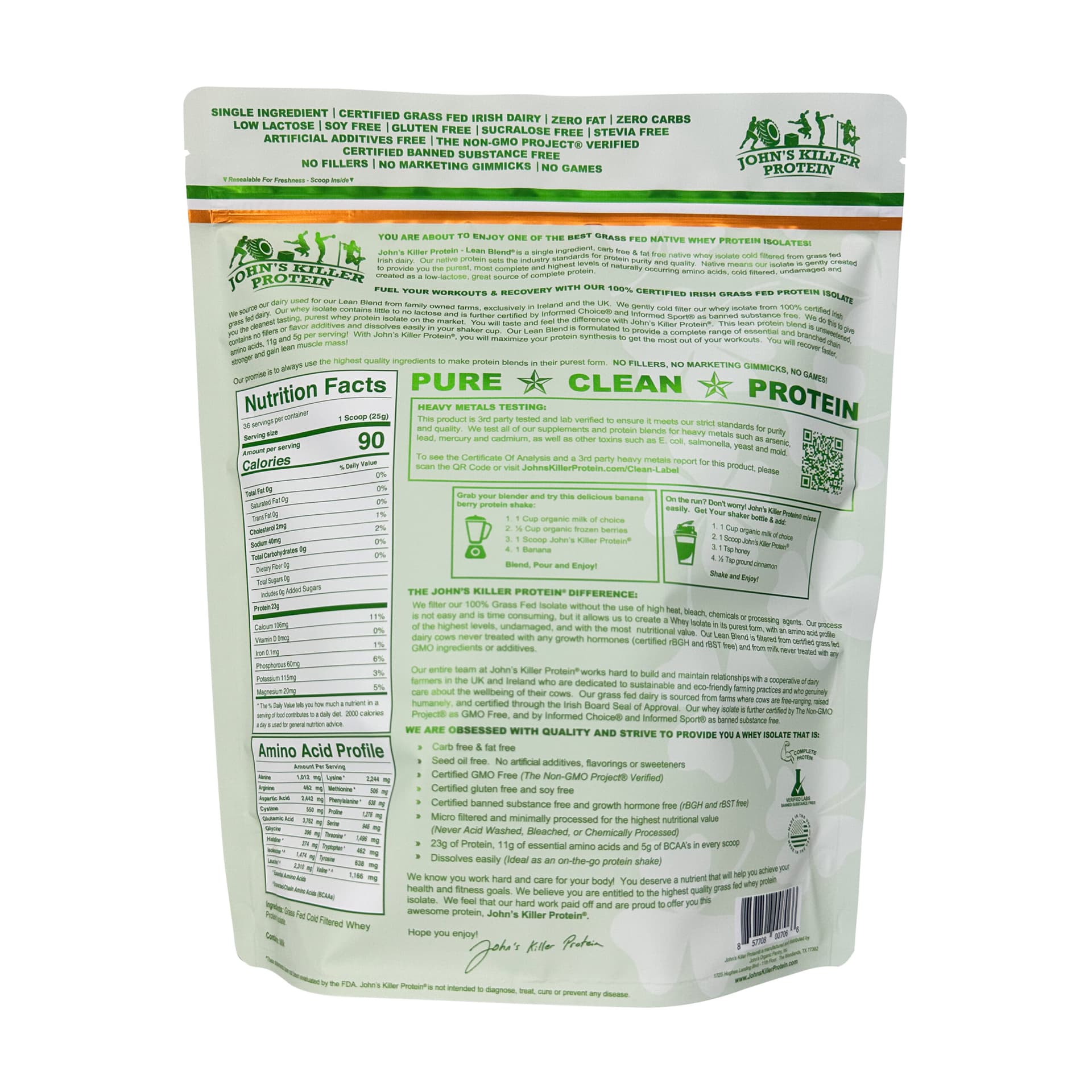
Teagasc has been clear on the commercial logic: whey proteins are increasingly used in nutritional beverages, including infant formula and sports nutrition, because they combine functionality with high biological value. That combination is exactly why whey has moved from being a by-product to being a core ingredient in a growing set of premium products.
The technical side matters just as much as the marketing. A Teagasc infant formula paper says membrane filtration can produce a whey-protein-dominant ingredient with a protein profile closer to human milk. That is not a niche lab curiosity, it is a route to differentiated ingredients that can command better pricing when buyers care about digestibility, formulation behavior and nutrition quality.
Teagasc’s National Policy Statement on the Bioeconomy makes the point even more plainly by holding up Glanbia’s transformation of whey protein into a critical ingredient in the global human nutrition market as a prime example of what the bioeconomy can do. That is the playbook in front of the Irish sector: turn a stream that used to look secondary into a high-spec ingredient with export pull.
Ireland already has the footprint, now it has to change the mix
The scale is already there. Bord Bia says Irish dairy exports hit a record €7.3 billion in 2025, up 14% on 2024, with more than 1.6 million tonnes of product shipped to about 140 markets worldwide. Bord Bia also says Ireland’s food, drink and horticulture exports reached a record €19 billion in 2025, which shows dairy is part of a broader export machine that is already operating at serious scale.
That scale is the advantage, but it is also the pressure point. Shipping more product to more markets does not automatically mean capturing more value. The gain comes when processors move deeper into whey, concentrates, isolates and specialized dairy ingredients, because those formats usually carry better margins than bulk commodity sales alone.
Bord Bia’s own sector vision is telling here. It frames Ireland as aiming to be the world’s most trusted exporter of sustainably driven and technically advanced high-quality dairy products. That is a very different business from simply selling more powder. It implies traceability, product performance and a much sharper focus on what buyers are actually paying for.
The policy stack is already pointing in the same direction
The Department of Agriculture, Food and the Marine says global demand for dairy remains strong, while the quality of Irish sourced milk is a key competitive advantage. It also places Origin Green and the Sustainable Dairy Assurance Scheme at the center of Ireland’s dairy promotion strategy, and describes the Sustainable Dairy Assurance Scheme as the world’s first internationally accredited national dairy assurance scheme.
That matters because the protein boom is not just about nutrition science. Buyers are scrutinizing origin, taste, solubility, texture and pricing as closely as they scrutinize protein content. Ireland’s policy tools are designed to help on the origin and sustainability side, but processors still have to prove that their ingredient systems can deliver on functionality as well.
This is where the story becomes a strategic upgrade test. If processors want to sell into infant formula, sports nutrition, RTD beverages and premium foods, they need the right plant configuration, enough capital to keep investing, and export-market access that does not leave them stranded in one category. The opportunity is real, but it only becomes durable if the sector can match policy branding with industrial execution.
The post-quota era shows why this moment is different
Milk Quality Ireland has said the end of milk quotas in 2015 triggered major new investment at farm and processing level. That is the key historical pivot, because it explains why the sector is now even capable of chasing more sophisticated protein markets instead of being locked into a purely volume-led model.
Its 2020 submission put the Irish dairy sector’s reach at more than 60,000 jobs across the supply chain and wider economy, including 17,000 farm families. It also valued output at €13.1 billion and dairy product and ingredient exports at €5.2 billion. Those numbers show that protein upgrading is not a side story, it is the next phase of a decade-long shift in how value is captured from Irish milk.
Industry commentary has reinforced the same direction of travel. Agriland put the global whey market at €7 billion and highlighted sports nutrition as a fast-growing category, while also pointing back to the scale of Irish dairy shipments across roughly 140 markets. Taken together, the message is blunt: the world is buying more protein, and Ireland already has the raw-material base and export reach to compete.
What has to happen next
The winning formula is not mysterious, but it is demanding:
- Processors need enough capital to keep moving up the ingredient chain, not just into more milk throughput.
- Farm and plant investment have to stay aligned, so higher-value contracts do not outrun supply capability.
- Product development must focus on functionality, because solubility, texture and taste can beat a clean nutrition claim in the real world.
- Export strategy has to target categories where protein demand is broadening, especially infant formula, sports nutrition, RTD beverages, snack formats and premium foods.
- Traceability and sustainability claims need to be easy to defend, because premium protein buyers are looking for proof, not slogans.
That is why the protein boom is more than a hot market. It is a test of whether Irish dairy can keep turning grass-based production into technically advanced ingredients with real pricing power. If the sector can do that, the payoff is not just higher shipment values, it is a stronger and more resilient export model built for the next phase of global demand.
This article was produced by Prism’s automated news system from verified source data, official records, and press releases, then run through automated quality and moderation checks before publishing. The system is built and supervised by the people who set the standards it runs under. Read our full AI policy.
Did this article answer your question?