Global protein market hit by GLP-1 demand and whey crisis
GLP-1 use hit 12% of U.S. adults as whey isolate climbed to $11 a pound, forcing protein brands to rethink sourcing, pricing and SKUs.
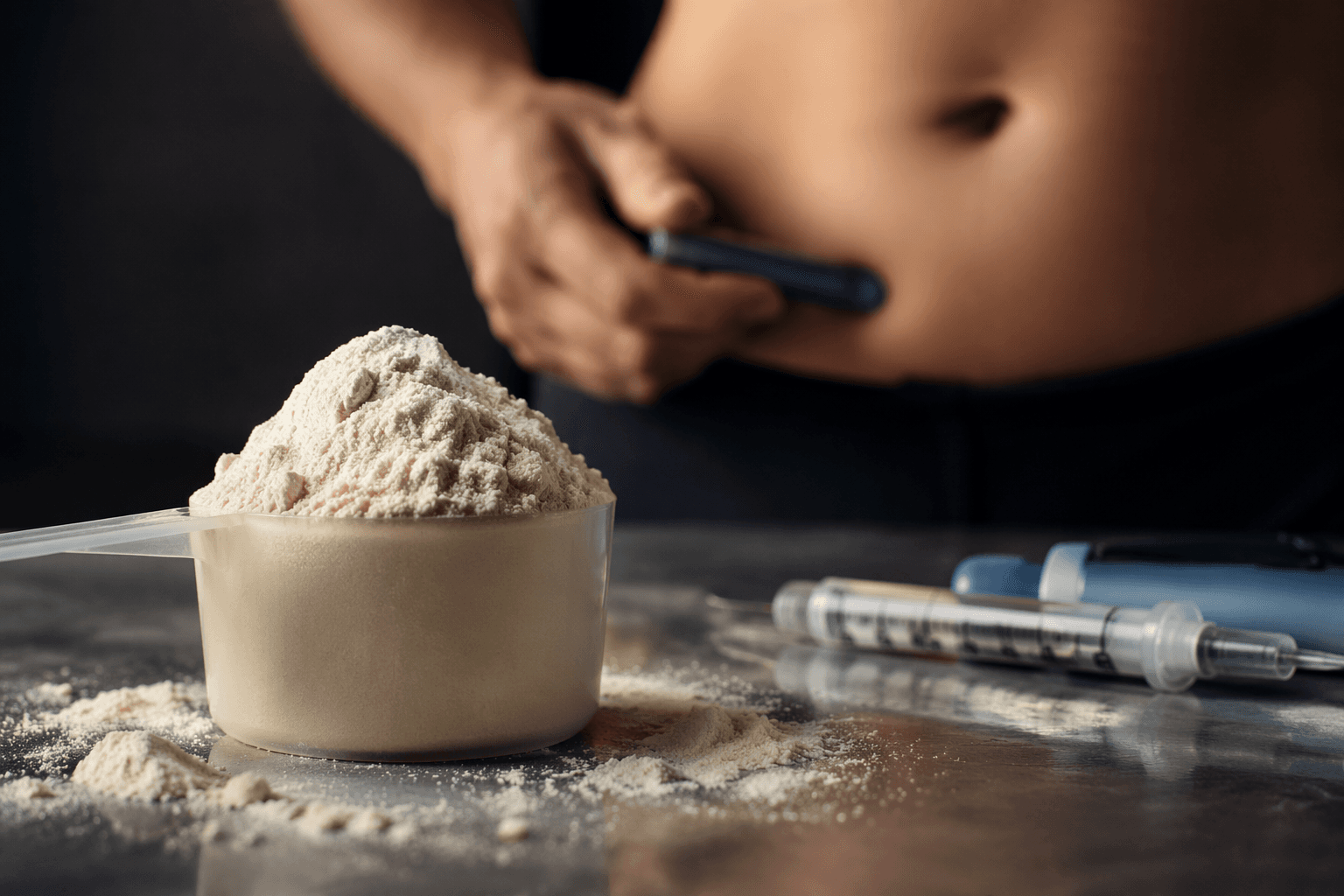
The protein business is getting hit from three sides at once, and the combination is forcing brands to rethink how they source, price and sell almost everything with a protein claim. With GLP-1 drugs now used by 12% of U.S. adults and whey protein isolate spot prices at $11 a pound, the old playbook of premiumizing anything high-protein is breaking down fast.
That shift is bigger than a commodity spike. KFF said about one in eight U.S. adults was currently taking a GLP-1 drug, while CDC/NCHS data showed 26.5% of adults with diagnosed diabetes used GLP-1 injectables in 2024. The therapy class is no longer a niche weight-loss story. It is changing meal size, snacking behavior and the kind of protein products consumers are willing to buy.
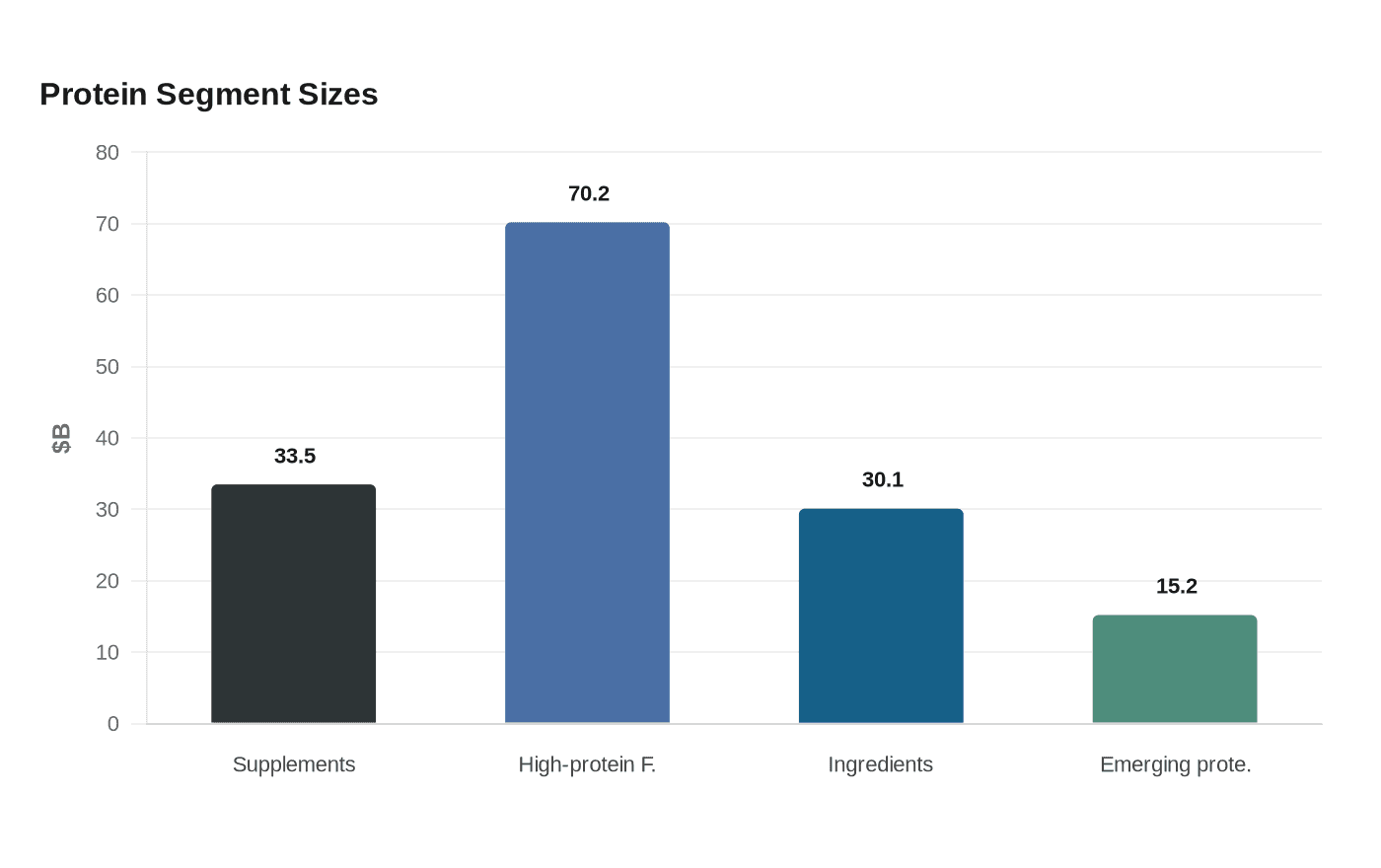
The market is still growing, but it is splitting into very different lanes. Protein supplements now represent a $33.5 billion category, high-protein FMCG is worth $70.2 billion, protein ingredients stand at $30.1 billion and emerging proteins add another $15.2 billion. Inside that mix, protein ingredients have become the most strategically contested piece of the global food business. WPC80 costs have climbed 108% over two years and WPI is up 139%, a jump that hits margins, reformulation plans and the economics of every brand leaning on a protein-forward label.
The supply squeeze is not theoretical. USDA Agricultural Marketing Service reports in May and June said WPC 34% prices were strengthening, demand remained high, inventories were tight and some suppliers were sold out into late summer. Reuters reported in May that dairy companies and food producers were investing heavily to meet soaring demand for protein-rich whey, driven by weight-loss drugs and healthier eating trends. A June update said WPC 80 had risen sharply over the prior year and protein isolate remained priced in the $12 range.
That kind of pressure is already reshaping capital allocation. Arla Foods and DMK Group finalized their merger on June 1, creating a cooperative with more than 11,200 farmers and more than €20 billion in pro forma annual revenue, a scale move aimed squarely at stronger dairy ingredients supply. Nestlé then moved on June 3 to fully acquire yfood Labs, the smart-food brand selling in 30 countries and at more than 50,000 points of sale, after yfood posted about €150 million in 2025 sales and double-digit growth.
The message from the protein aisle is blunt: the winners will be the companies that lock supply, manage volatility and build products for smaller-appetite occasions and more functional use cases. The protein boom is still alive, but the next phase will reward discipline, not hype.
This article was produced by Prism’s automated news system from verified source data, official records, and press releases, then run through automated quality and moderation checks before publishing. The system is built and supervised by the people who set the standards it runs under. Read our full AI policy.
Know something we missed? Have a correction or additional information?
Submit a Tip