Grocers boost private labels with protein and fiber claims to win shoppers
Grocers are turning protein and fiber into private-label selling points, with Meijer, Kroger and ALDI using nutrition claims to make store brands feel both cheaper and smarter.

Private label is moving past the old “good enough” label. Grocers are now using protein and fiber claims as core positioning, folding wellness into store brands that still need to win on price, and the result is a more aggressive challenge to national brands across grocery aisles.
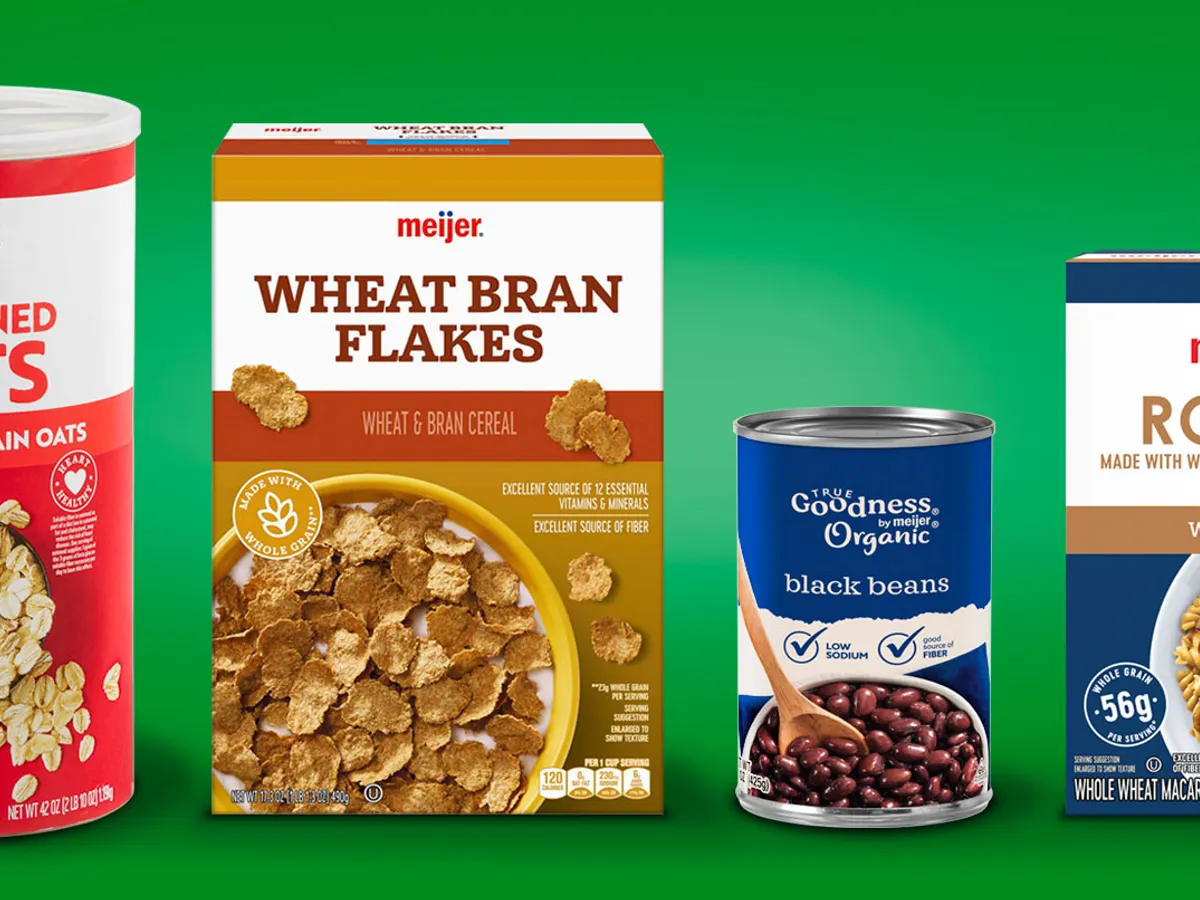
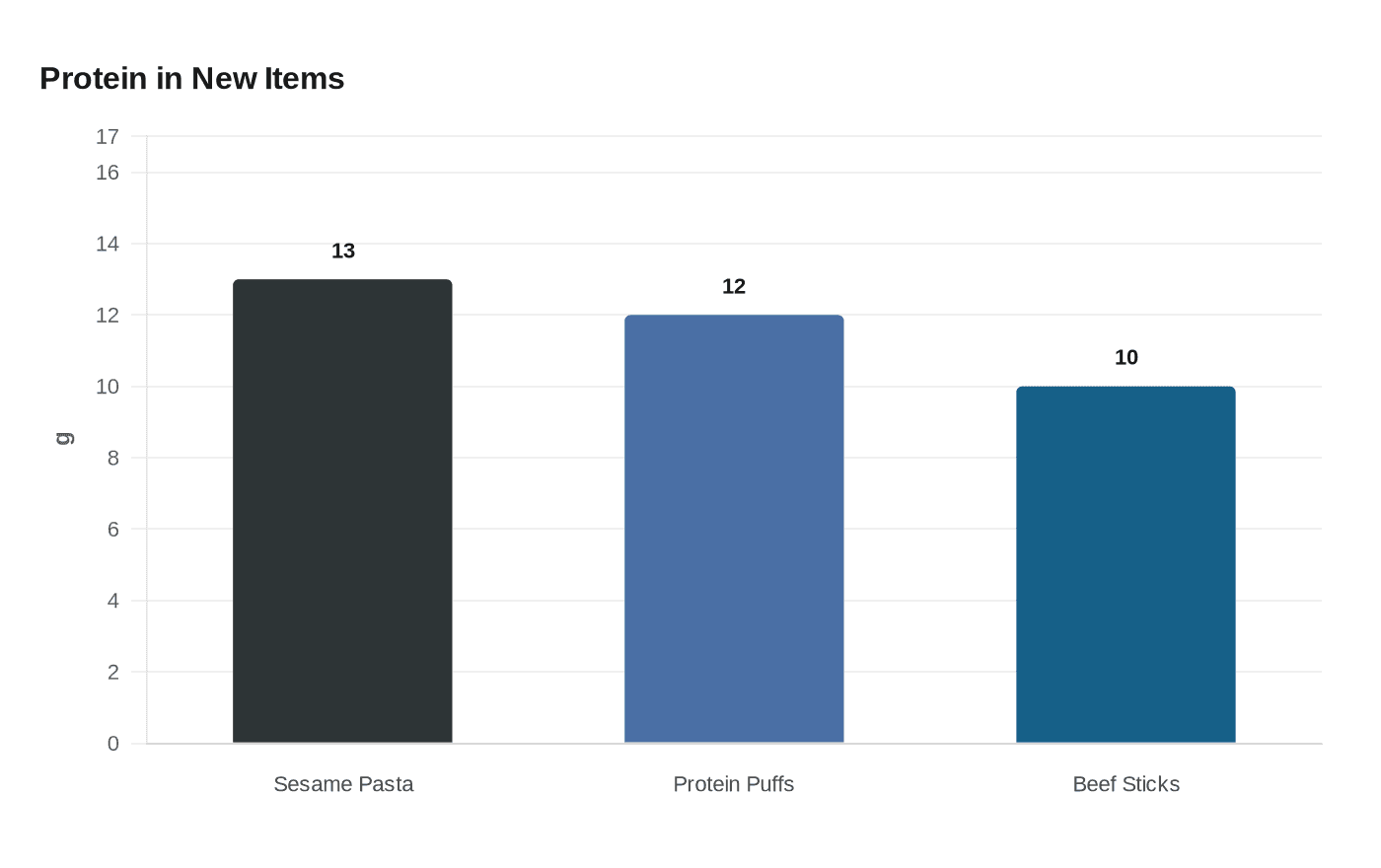
Meijer put that strategy on display on April 16, 2026, saying it was launching more than 300 products tied to nutrition trends. The Grand Rapids, Michigan-based retailer said its private labels already include more than 800 store-brand products rich in fiber and protein, and that more than 700 of those items contain at least 10 grams of protein per serving. Among the newest additions are Frederik’s by Meijer Sesame Protein Pasta Salad with 13 grams of protein per serving, Meijer Protein Puffs Snacks with 12 grams, and True Goodness by Meijer Grass-Fed & Finished Double Smoked Beef Sticks with 10 grams.
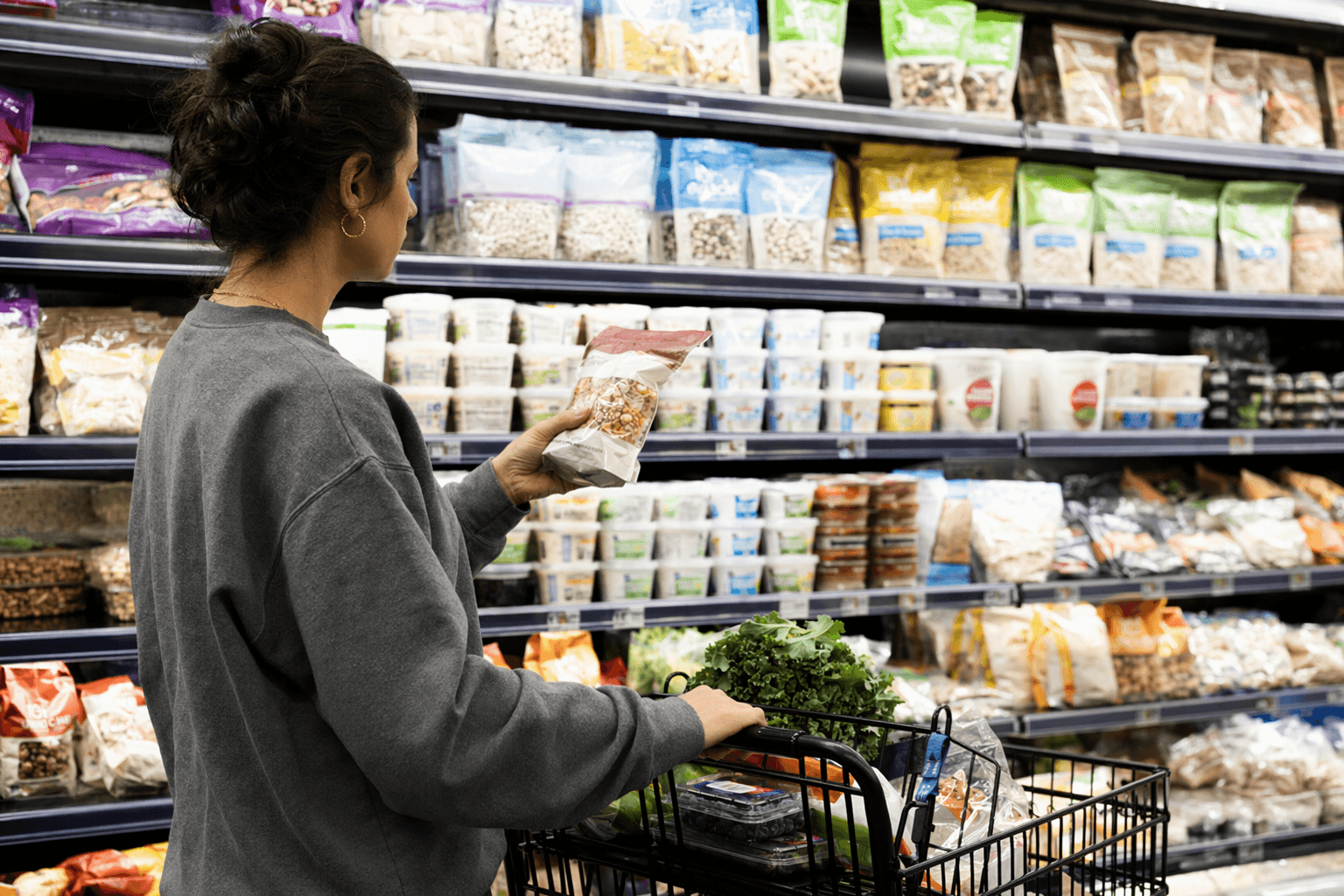
Meijer is also pairing products with services. Through Nutrition by Meijer, customers can connect virtually with registered dietitians for guidance on increasing fiber and protein intake, a sign that the retailer wants its own brands to carry more than a label claim. It is trying to make private label a destination for shoppers looking for food that fits everyday wellness goals without pushing them into national-brand pricing.
Kroger has taken a similar route with Simple Truth Protein. The chain expanded the line on Jan. 29, 2026, adding 24 products and bringing the assortment to more than 110 items. Kroger said the line is its widest private-label offering of protein products and is built to help shoppers develop healthy protein habits at accessible prices, with products that are free from unwanted ingredients.
The competition is not limited to protein. ALDI said on April 22, 2026, that it would remove 44 additional ingredients from its private-label food, vitamin and supplement products by Dec. 31, 2027, bringing its total removed ingredients to 57. Walmart, meanwhile, unveiled a redesign of Great Value on April 15, 2026, calling it its first major update in more than a decade. Together, the moves show store brands being rebuilt around health, simplicity and merchandising power.
The broader market is giving grocers room to push harder. PLMA said U.S. store-brand sales reached a record $282.8 billion in 2025, up more than $9 billion from 2024. Circana put U.S. private-label sales at $330 billion, with private label taking 24% unit share and 23% dollar share of the total market. Consumer habits are moving too: CDC data show average protein intake among U.S. adults rose from 15.3% of total energy intake in 1999-2002 to 15.8% in 2015-2018, while FDA rules continue to define what can qualify as a fiber claim. That mix makes protein and fiber more than shelf talkers; it makes them the new language of private-label competition.
This article was produced by Prism’s automated news system from verified source data, official records, and press releases, then run through automated quality and moderation checks before publishing. The system is built and supervised by the people who set the standards it runs under. Read our full AI policy.
Did this article answer your question?