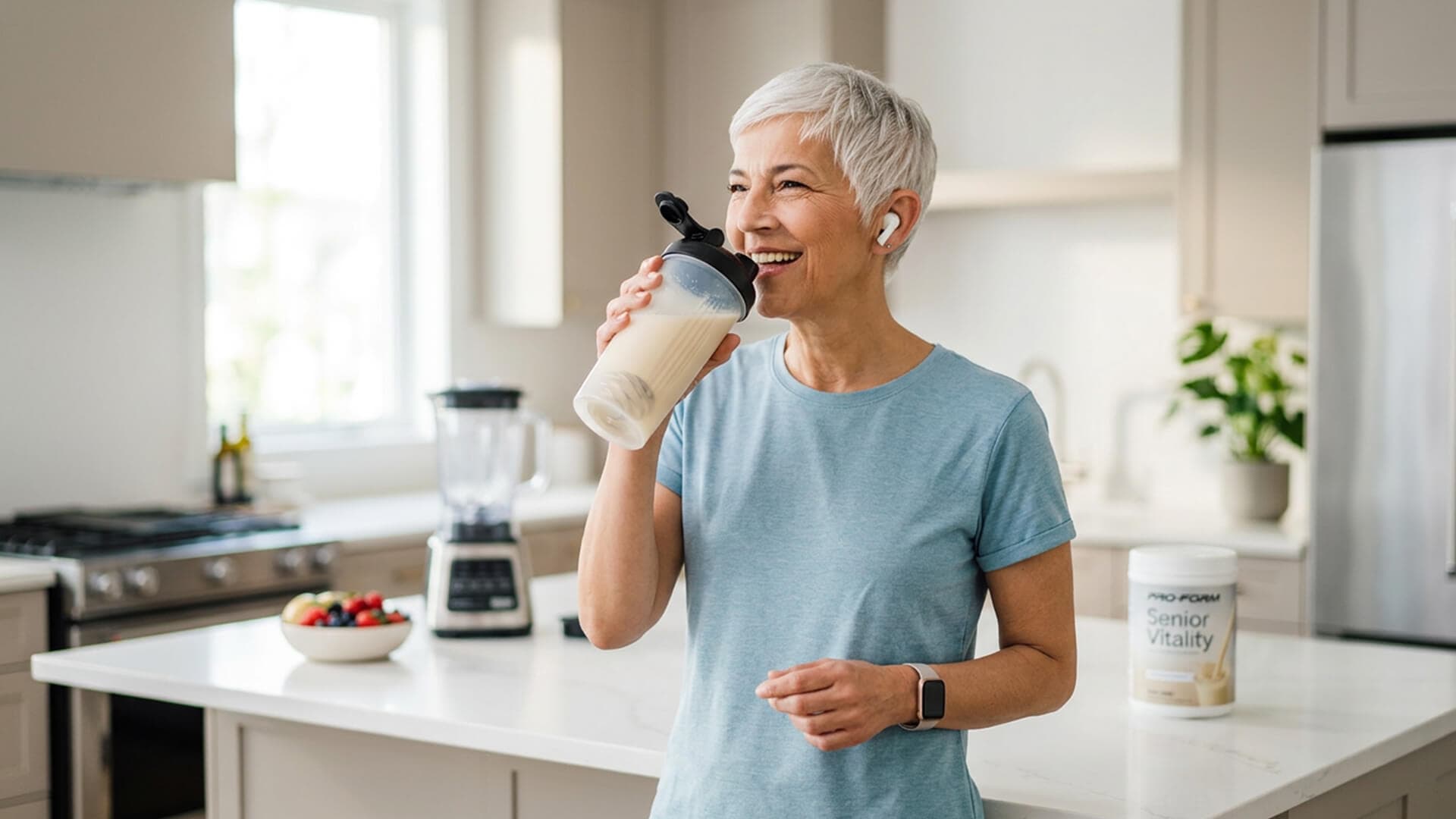
Grocers lean into protein as GLP-1 shoppers reshape wellness buying
GLP-1 shoppers are forcing grocers to rethink protein from a buzzword into shelf strategy, with better assortments, guidance and starter kits.
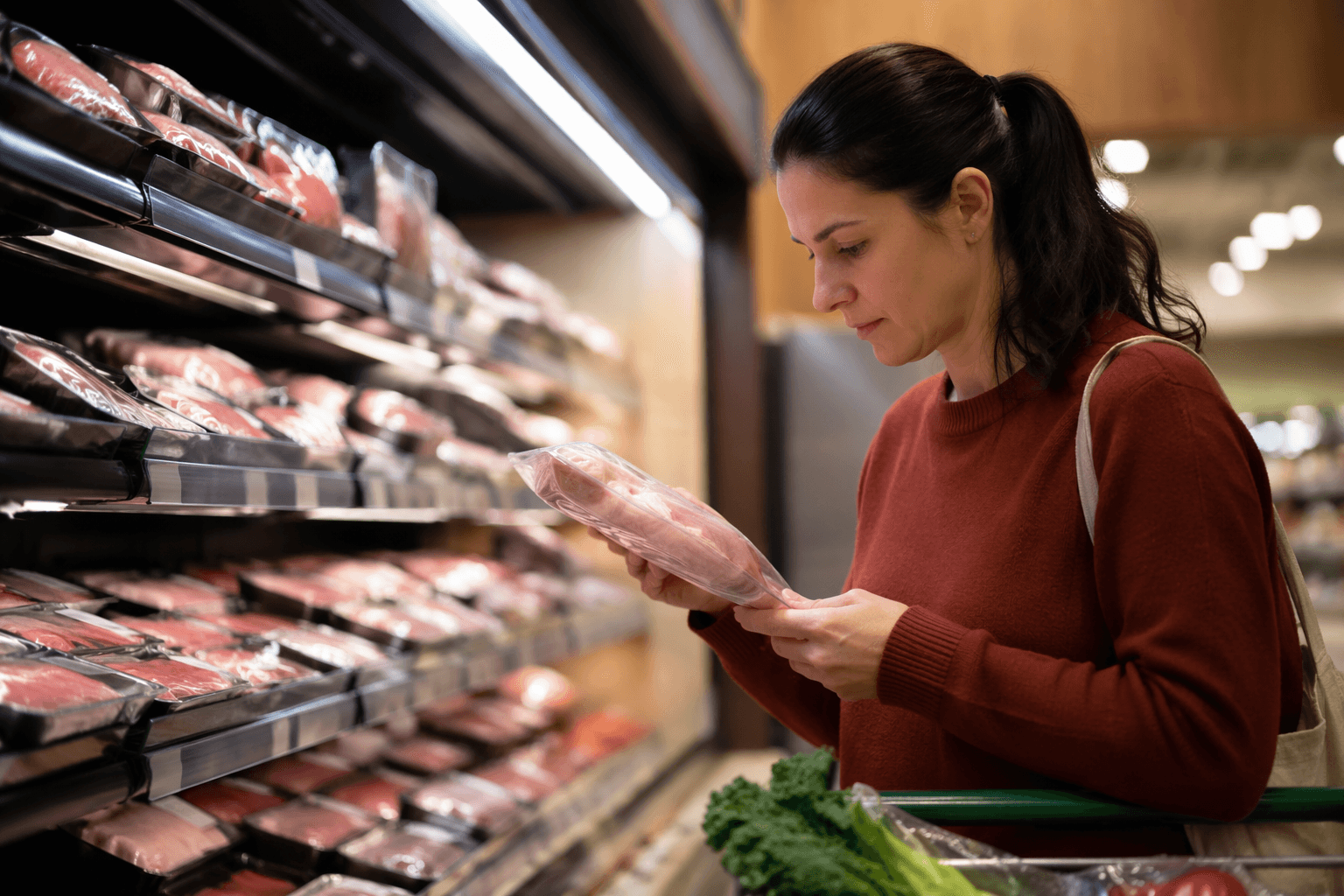
Grocers are no longer treating protein as a simple front-of-pack claim. In the GLP-1 era, it has become a shelf strategy, a merchandising signal and a practical answer to shoppers eating smaller meals, rebalancing their baskets and looking for food that actually satisfies.
That shift is showing up in the way retailers talk about protein-focused private label, shopper education and wellness guides, not just in the products they stock. The point is less about chasing a health trend and more about translating a change in eating behavior into concrete store execution.
Protein is becoming the new store language
The big change is that GLP-1 is pushing grocery operators to behave more like nutrition navigators than pure product sellers. Instead of treating weight-loss medications as a niche medical issue, retailers are folding them into mainstream category planning, where assortment, signage and guidance all have to work together.
That means protein is doing a different job than it used to. It is not just a macro on a label anymore. It is a solution attribute, one that helps shoppers feel full, preserve muscle and make smaller meals or snacks work harder. In practical terms, that makes protein a natural organizing principle for how a store frames breakfast, lunch, dinner and between-meal snacking.
The basket is changing, and the numbers explain why
The pressure behind this shift is measurable. KPMG estimated that about 13 million U.S. consumers were using GLP-1 medications and projected roughly $48 billion in annual food-and-beverage spending reductions through 2034. At the same time, KPMG described this group as a still-vibrant roughly $190 billion food-and-beverage market opportunity, which tells you the story is not just about lost dollars, but redirected dollars.
Circana data cited by Food Business News makes the behavioral change even clearer. GLP-1 users were cutting grocery spending nearly 6% on average, and they were buying less sweet and salty foods and snacks. That is exactly why protein, ready-to-eat meals and portion-controlled snacks are getting more attention. Those categories line up with the new demand pattern: less impulse-heavy snacking, more food that feels efficient, filling and useful.
What retailers are actually changing on the shelf
This is where the GLP-1 conversation becomes real retail execution. The smartest response is not a pile-on of new wellness messaging. It is tighter assortment logic: more protein-dense options, more clearly framed meal and snack solutions, and more private label products that make the choice obvious without making the shopper decode the nutrition panel.
The article’s most useful takeaway is that grocers are using protein to connect merchandising with shopper intent. If a customer is shopping with satiety in mind, the store has to help them spot the right items quickly. That is why shelf communication, category adjacencies and in-store guidance matter as much as the product itself. When retailers get this right, protein stops being a vague wellness word and becomes a basket-building tool.
There is also a broader operational point here. Stores are increasingly trying to serve functional food occasions throughout the day, not just the traditional three-meal structure. A protein-forward grab-and-go case, a higher-protein private label line or a better signpost in the snack aisle can all help a shopper make a quicker, more confident choice. That is the kind of execution that turns a trend into a repeatable merchandising system.
ShopRite’s kit approach shows how education enters the mix
One of the clearest examples of retailer response is ShopRite’s Wellness Your Way Starter Kits for first-time GLP-1 users. The kits include a wellness guide created by ShopRite dietitians, product samples and coupons for healthy grocery items. That is a notable move because it goes beyond shelf strategy and into onboarding, helping shoppers understand how to build a basket around a new eating pattern.
The format matters. A guide from dietitians gives the program credibility, samples lower the barrier to trial and coupons nudge the first purchase. Together, they create a more hands-on path for shoppers who are still learning what a GLP-1-friendly cart looks like. For a grocer, that is not just customer service. It is a way to shape loyalty around a wellness mission that could otherwise send shoppers searching elsewhere for answers.
Data tracking is becoming part of the playbook
The industry is also building better monitoring around the trend. Numerator launched a GLP-1 Trends Hub in late 2025 to track adoption, sentiment and purchasing behavior going back to April 2024. That kind of time series is valuable because it helps retailers move past guesswork and see whether shoppers are actually changing their habits, or just talking about doing so.
For category managers, that matters. If the data shows GLP-1 users are pulling back on sweet snacks and leaning into protein or portion-controlled options, then promo planning, assortment depth and private label development should follow. In other words, the retailer response gets sharper when it is based on observable behavior rather than general wellness assumptions.
Why this is bigger than one medication trend
The real story is not that GLP-1 created a protein fad. It is that it exposed how quickly consumer needs can change, and how fast grocers have to adapt when appetite, basket size and nutrition priorities shift at the same time. Protein is winning because it fits the new brief: satisfying, flexible and easy to merchandise across the store.
That makes the category more than a trend play. It becomes a structural part of how grocery retailers compete on wellness, and a sign that the most effective operators will be the ones who can turn nutrition guidance into everyday shopping help.
This article was produced by Prism’s automated news system from verified source data, official records, and press releases, then run through automated quality and moderation checks before publishing. The system is built and supervised by the people who set the standards it runs under. Read our full AI policy.
Did this article answer your question?