High-protein food boom strains whey supply, pushes prices to records
Whey prices are blowing out as protein claims spread from supplements to cereals, bagels, tortillas, chips and coffee drinks. In Europe, WPC 80 hit a record 26,450 euros a ton.
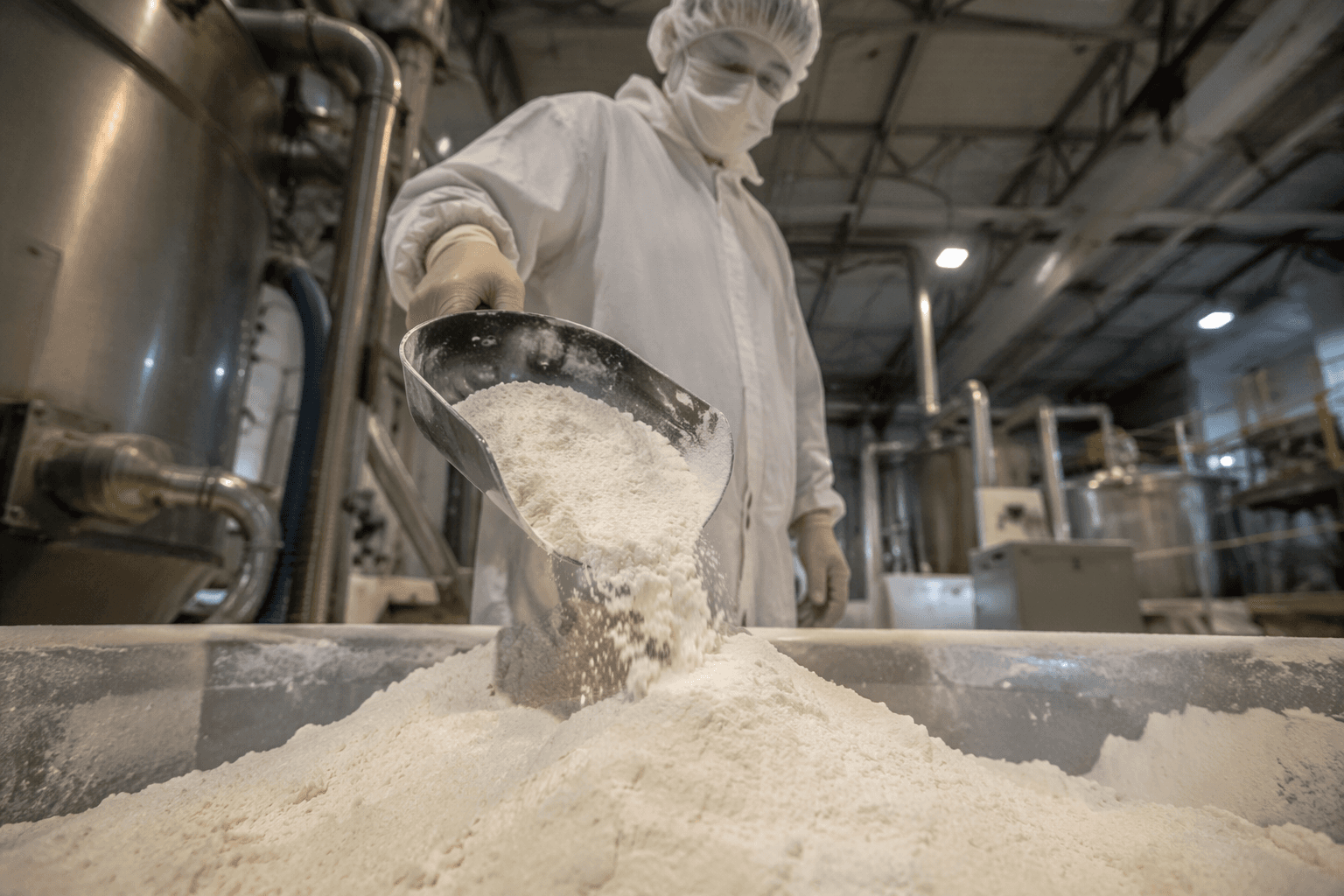
Whey has gone from gym-bag staple to one of the food industry’s hottest ingredients, and that shift is now running into a hard supply wall. Food companies have pushed whey protein into breakfast cereals, bagels, tortillas, chips and Starbucks drinks, while U.S. supermarkets are packed with tens of thousands of products that advertise their protein content. The result is a market that is suddenly short on food-grade whey and a pricing spike that is forcing brands to rethink how much protein they can promise.
In the U.S., USDA Agricultural Marketing Service Dairy Market News said WPC 80 spot trades reached $11.00 per pound in late April, with whey protein isolate still in the $12s. Earlier in April, WPC 80 had already climbed to $10 and isolate was trading in the $12s to mid-$13s. By the end of the month, some suppliers were said to be sold out for the rest of the year, and one manufacturer could stop making WPC 34% after summer. That is not a normal seasonal wobble; it is a sign that the ingredient most formulators rely on is getting harder to lock down.
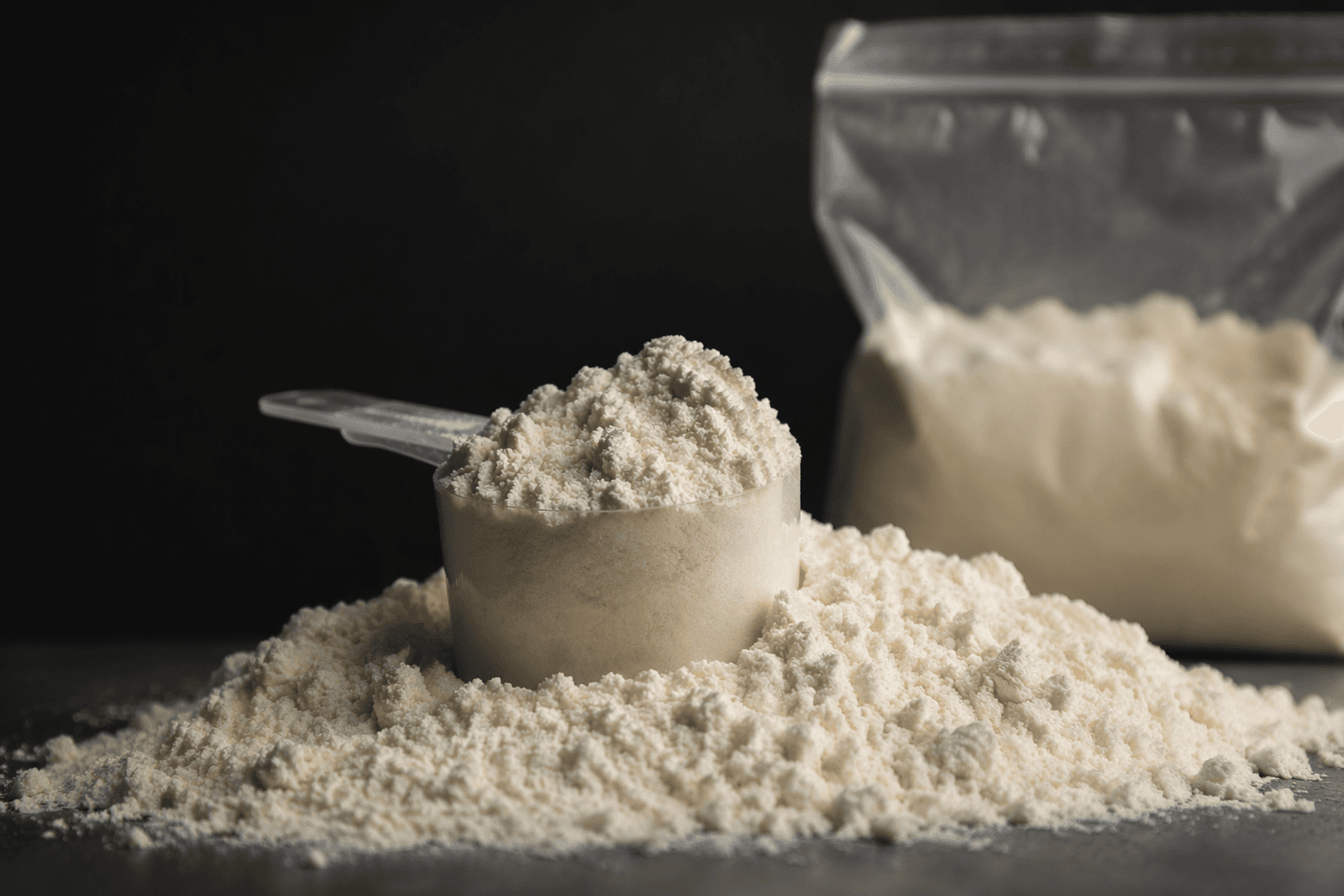
Europe is feeling the squeeze too. In late May, 80% whey protein concentrate hit a record average of 26,450 euros, or about $30,518, per metric ton, according to DCA Market Intelligence. That matters because whey is still tied to cheese production, and cheese output is not collapsing. USDA’s April dairy report showed U.S. cheese production at 1.27 billion pounds, up 1.7% from a year earlier, even as cheddar output slipped 3.5% to 329.8 million pounds. The catch is that more milk is also being steered into yogurt and beverages, which leaves less volume to dry into whey ingredients.
The demand side is moving even faster. GLP-1 use has nudged more shoppers toward higher-protein eating, and health-and-wellness habits have widened the market beyond bodybuilders and sports bars. That is why whey now shows up in everything from cereals to coffee drinks: it delivers a protein boost without forcing a full product overhaul. When the ingredient gets tight, the first casualties are usually innovation speed, margin and, eventually, texture and taste.
That pressure is why reformulation is likely to spread first through the categories most dependent on protein claims: supplements, ready-to-drink beverages, cereal, bakery items and snack foods. Manufacturers may have to pay up, switch to other proteins, or scale back claims if whey stays scarce. The broader backdrop is that protein is now a mainstream packaging cue, with two-thirds of Americans saying they look for nutrition information on the front of packs and eight in 10 checking the back or side. Whey is no longer a byproduct hiding in the background; it is a strategic ingredient, and the food industry is starting to price that in.
This article was produced by Prism’s automated news system from verified source data, official records, and press releases, then run through automated quality and moderation checks before publishing. The system is built and supervised by the people who set the standards it runs under. Read our full AI policy.
Did this article answer your question?