Higher fertilizer costs threaten wheat protein as geopolitical shocks mount
Higher fertilizer bills are squeezing nitrogen use, and UK Flour Millers group 1 wheat averaged 12.5% protein, below last year’s 12.7%.

Higher fertilizer costs are turning wheat protein into a supply-chain problem, not just an agronomy one. When nitrogen gets expensive, growers have a reason to trim back, and that is where the damage starts: less input can mean lower grain protein, weaker flour, and more work for millers and bakers trying to hold specs.
AHDB has been blunt about the link. Bread-making flours need relatively high grain protein, and careful variety choice plus nitrogen management are what secure milling wheat premiums. Its RB209 nutrient guidance was updated on new trial data showing that an extra 40kg/ha of nitrogen lifts grain protein. That makes fertilizer affordability a direct quality issue. If a grower cuts nitrogen to protect margin, the first thing at risk is not yield alone. It is the protein level that determines whether wheat can move into bread flour contracts at all.
The UK market has already seen how quickly protein can slip. AHDB’s 2024 cereal quality survey put the average protein content for UK Flour Millers group 1 wheat varieties at 12.5%, down from 12.7% in 2023. Persistent wet conditions through autumn and winter 2023/24, and much of spring 2024, made fields hard to work and increased nitrogen leaching, which left crops short of what millers wanted. By 28 August 2024, 88% of the UK wheat crop had been harvested, but protein levels were still running low.
That matters because lower protein does not stay on the farm. It moves into blending rooms, flour specifications, dough performance and, eventually, the price of baked goods. AHDB said UK wheat production in 2024 fell 20% year on year, and it forecast imports at 2.75 million tonnes in 2024/25, up 13% from 2023/24. For millers and food manufacturers, that means more reliance on imported higher-protein wheat to keep bread flour and other ingredient specs on track.
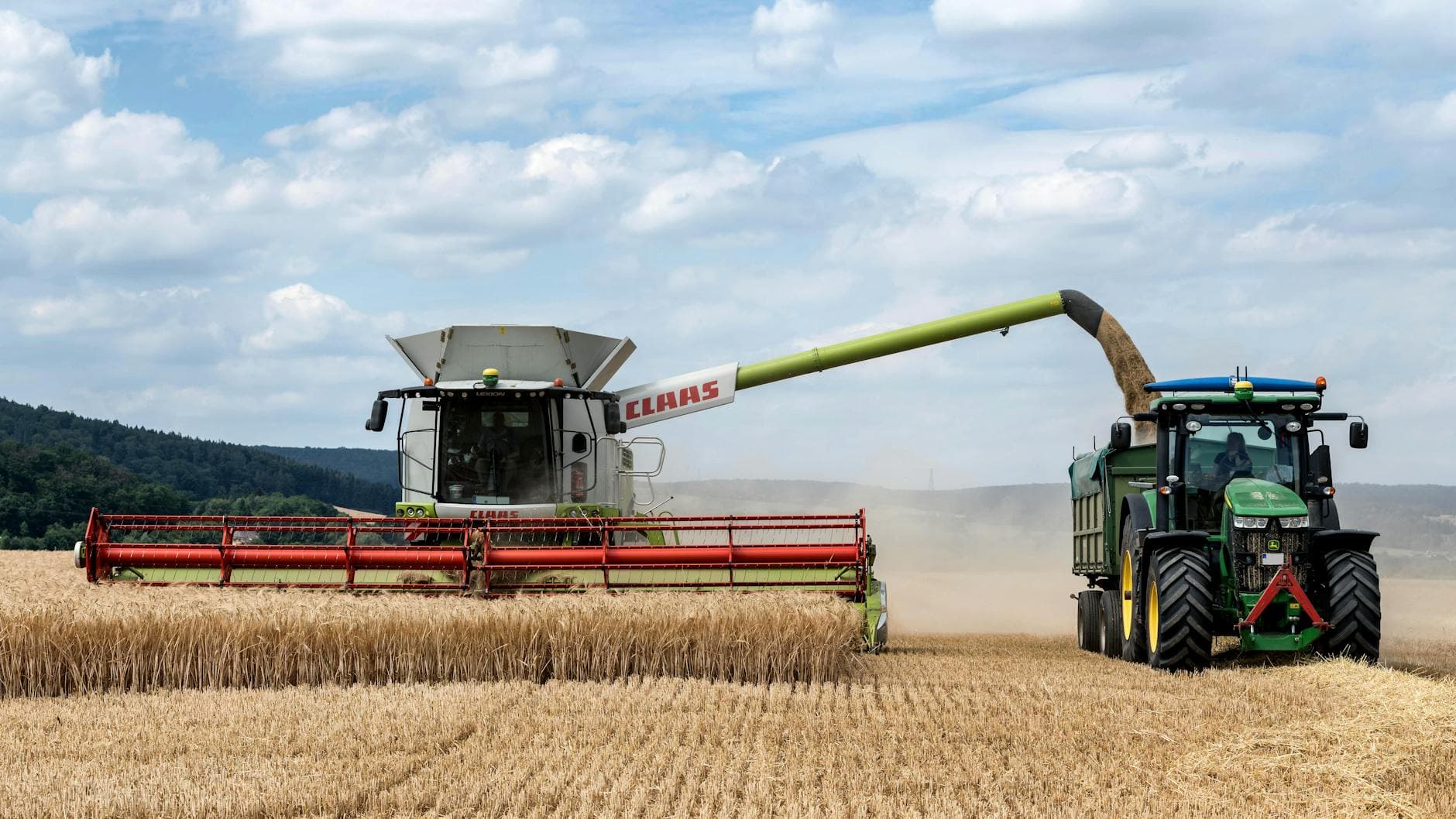
The cost pressure is not isolated to Britain. USDA Economic Research Service data shows fertilizer has accounted for 34% to 45% of wheat operating costs since 2020, which explains why nitrogen prices matter so much to planting decisions. Reuters reported in March 2026 that US farmers were planning to plant less corn and more soybeans as the war involving the United States, Israel and Iran pushed fertilizer and fuel prices higher. That is the same chain playing out from the prairie to the bakery: geopolitical shock lifts input costs, input costs change field decisions, field decisions change protein, and protein changes what flour mills can buy and what bakers can make.
This article was produced by Prism’s automated news system from verified source data, official records, and press releases, then run through automated quality and moderation checks before publishing. The system is built and supervised by the people who set the standards it runs under. Read our full AI policy.
Did this article answer your question?