How whey protein can deliver better beverages and consumer appeal
Whey wins when beverage makers need protein, clarity, and dairy familiarity, but the formula only works if solubility, flavor, and stability are tightly managed.
Solubility at pH 3.3 makes whey protein isolate the ingredient of choice in clear, acidic drinks. Whey can do more in a beverage than simply add grams of protein. It brings a complete amino acid profile, familiar dairy cues, and a consumer story that already makes sense in breakfast drinks, recovery drinks, and meal replacements. The catch is that those benefits only translate when the formula is built for the drink format, because solubility, heat treatment, acidity, foaming, and sedimentation can decide whether whey feels premium or problematic in the glass.
Why whey keeps winning in beverage formats
In the Winter 2019 issue of Dairy Pipeline, the Center for Dairy Research’s Formulating Dairy Protein Beverages piece called dairy protein beverages an exciting area for the dairy industry. That framing still fits the category now: beverage developers are not just chasing protein content, they are trying to make protein behave in a way consumers will accept in a ready-to-drink format.
U.S. Dairy defines whey as the protein-rich liquid left after milk is separated into curds during cheese making, then pasteurized and dried into whey protein powder for multiple uses. That origin story matters in beverages because whey arrives with both functional credibility and a familiar dairy identity. Whey proteins are often the preferred source for ready-to-drink protein beverages because of their excellent nutritional qualities and bland flavor, two of the most useful attributes in a crowded drink case.
Where whey beats other proteins in drinks
Whey’s biggest edge in beverages is that it can support nutrition claims without forcing the rest of the formula to fight the ingredient. Its complete amino acid profile gives brands a clean path to muscle recovery messaging, and its dairy familiarity helps consumers trust the product quickly, especially in categories where protein still has to earn repeat purchase. In practical terms, that means whey can help a brand hit meaningful protein levels in a format that feels easy to grab on the way out the door.
Ready-to-drink beverages appeal because they are convenient and portable, with stronger demand for shelf-stable products because they are easier to distribute and store. That is one reason whey-based drinks now show up outside the gym, in breakfast routines, between-meal satiety occasions, and as meal replacements. Beverage Marketing called RTD protein and meal replacement drinks in the U.S. an increasingly mainstream form of engineered nutrition, which captures how normalized the category has become.
The clear beverage opportunity, and the tradeoff that comes with it
That technical edge is most obvious in clear, acidic drinks. A 2025 paper in the National Center for Biotechnology Information on sources of soapy off-flavor in clear acidic whey protein beverages makes that point plainly: isolate solves the clarity and acid-stability problem, but those beverages can still develop a soapy off-flavor.
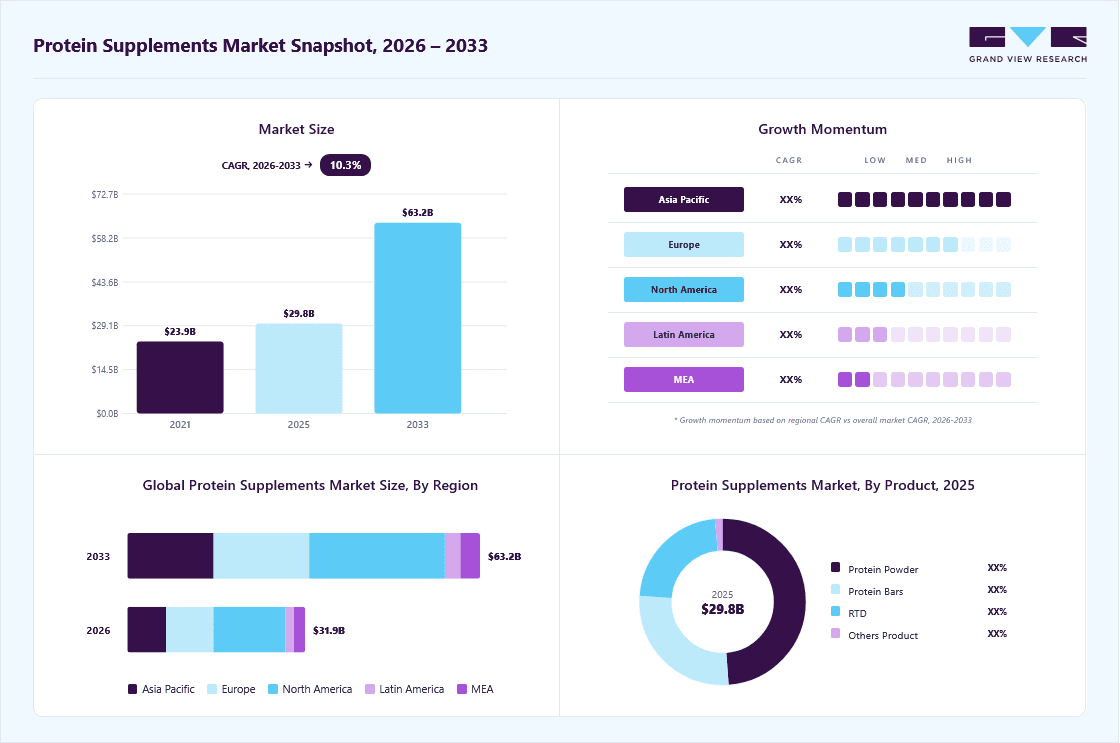
Clear whey is not a niche side story. Grand View Research valued the clear whey protein market at $583.4 million in 2025 and projects it will reach $980.1 million by 2033, at a CAGR of 6.8%. That growth sits inside a larger whey market that Grand View Research estimated at USD 8,846.2 million in 2024 and projected to reach USD 17,527.3 million by 2033, at a CAGR of 7.7% from 2025 to 2033.
The formulation choices that make or break the drink
Once the protein is selected, concentrate, isolate, and hydrolysate are not interchangeable in beverages, because each one changes clarity, mouthfeel, flavor load, and how much abuse the protein can take during processing. A concentrate can bring more of the traditional dairy character, while isolate is typically the better route when clarity and low-pH performance matter. Hydrolysate enters the discussion when a developer needs another step of process tolerance or a different sensory profile, but the formula still has to be built around the end drink, not the label copy.
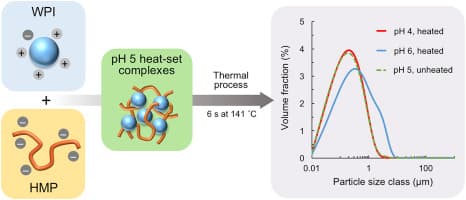
Heat stability and acidity are especially important in shelf-stable products, where the formula has to survive processing and still hold up in storage. Foaming can become a packaging problem, sedimentation can ruin appearance, and protein can carry or amplify notes that need careful flavor masking. Technical guides from Actus Nutrition and other clear whey resources focus on high solubility, low-pH stability, turbidity reduction, and shelf stability for the same reason: in a protein beverage, physical stability is part of the flavor experience.
The National Center for Biotechnology Information paper Evaluation of the Physicochemical Parameters of Functional Whey Beverages centers the physicochemical behavior of the drink itself: whether the beverage pours cleanly or separates, foams, or leaves a chalky impression before the first sip is finished.
How brands are using whey to widen the occasion
Ascent announced Recovery Water on February 5, 2020, as its first ready-to-drink protein beverage. Ascent positioned the product as a water-based beverage pairing high-quality protein with electrolytes for post-workout recovery, a lighter expression of whey than the classic milkshake-style protein drink. That move fits the broader shift in the category: protein beverages are no longer built only for bodybuilders, but for people who want recovery, hydration, and convenience in one bottle.
Beverage Industry’s July 2, 2025 coverage of sports and protein drinks showed the market reaching more consumers as health and wellness attributes broaden their appeal. In breakfast drinks, it can carry satiety. In between-meal formats, it can support a quick nutrition cue. In meal replacements, it can help deliver both protein density and a more familiar taste profile than some alternative proteins can manage.
When whey is worth the premium
Whey justifies its cost when the format depends on what whey does best: fast usability, broad consumer recognition, and a sensory profile that can still feel like a beverage instead of a compromise. It is especially strong when the brief calls for shelf-stable portability, clean flavor, or a clear drink that still has meaningful protein.
It becomes a liability when the formulation ignores the basics. If the protein loads the drink with foam, haze, sediment, or an off-note that sweeteners cannot cover, the extra nutrition stops feeling like an advantage.
This article was produced by Prism’s automated news system from verified source data, official records, and press releases, then run through automated quality and moderation checks before publishing. The system is built and supervised by the people who set the standards it runs under. Read our full AI policy.
Did this article answer your question?