Italy childhood obesity rises as pizza, pasta diets drive excess calories
An estimated 28.8% of Italian 8- and 9-year-olds were overweight or obese in 2023, with the highest rates in Campania and Calabria.
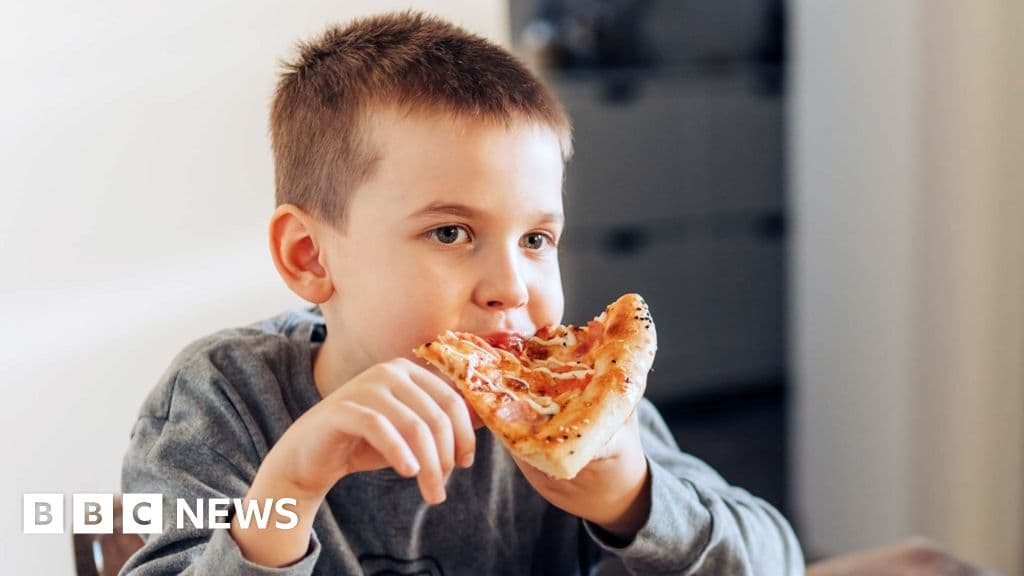
Italy’s childhood weight problem has sharpened into a numbers story: an estimated 28.8% of children aged 8 to 9 were overweight or obese in 2023, with the highest rates in southern regions such as Campania and Calabria. The pattern sits awkwardly beside Italy’s image as the birthplace of the Mediterranean diet, and it is being driven less by any single food than by calorie-dense eating habits built around pizza, pasta, potatoes, sugary drinks and processed snacks.
The World Health Organization said in 2020 that more than 20% of children in Italy were overweight, and its definition of obesity points to a wider set of forces than a simple menu choice. WHO describes obesity as a chronic, relapsing disease shaped by genetics, neurobiology, eating behaviours, access to a healthy diet, market forces and the broader environment, a framing that matters when politicians and parents are tempted to blame a single staple food.
Italy has a national system built to track the problem. OKkio alla SALUTE, promoted and financed by the Italian Ministry of Health, is coordinated by the National Centre for Disease Prevention and Health Promotion at the Istituto Superiore di Sanità, with the Italian Regions and the Ministry of Education. It monitors primary-school children’s height, weight, eating habits, physical activity and sedentary behaviour, giving officials a direct view of how lunchboxes, snacks and screen time are changing across the country.
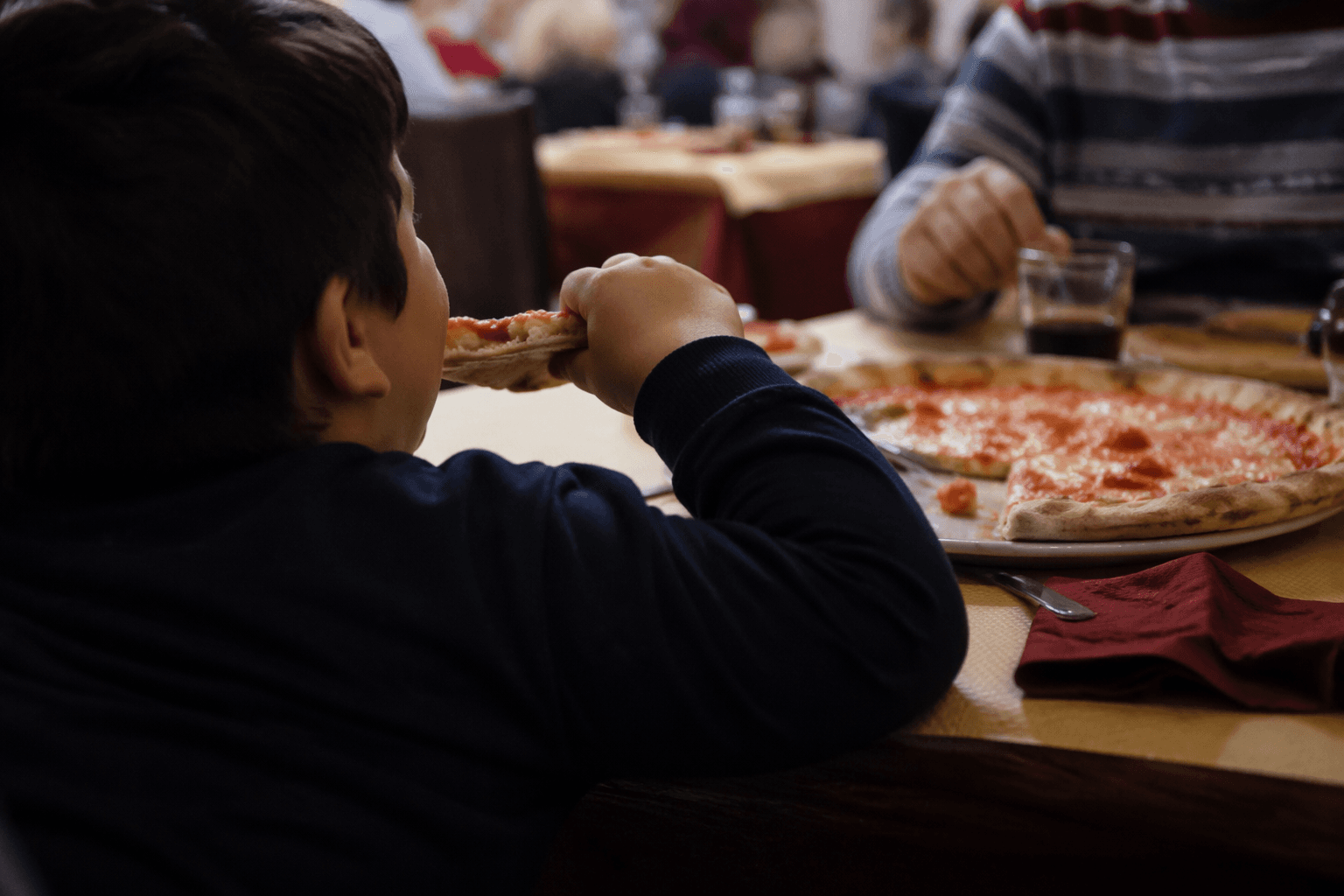
The World Obesity Federation’s Italy country report card follows children and adolescents aged 5 to 18 and includes trend data from 2008 to 2023, underlining how long this slide has been building. A BBC Sounds and Apple Podcasts description about the issue said Italy’s children were the second most overweight in the EU, and it described children as young as two and three becoming so used to juice and fizzy drinks that they struggled to drink water.
The human cost is visible in Salvatore, a 17-year-old who weighs 170kg, or 26st 10lb. He struggles to walk, cannot tie his shoelaces, and his Vespa scooter reportedly had its wheels break seven times in one week. That is where the argument about pizza and pasta gets too neat: the crisis is not one food group, but an everyday calorie surplus wrapped in familiar Italian staples, bigger portions and habits that start far too early.
This article was produced by Prism’s automated news system from verified source data, official records, and press releases, then run through automated quality and moderation checks before publishing. The system is built and supervised by the people who set the standards it runs under. Read our full AI policy.
Did this article answer your question?