India scientists develop high-protein rice to help curb diabetes
Scientists in Kerala built a rice with 20% to 22% protein and a glycaemic index of 54, aiming at India’s diabetes burden.

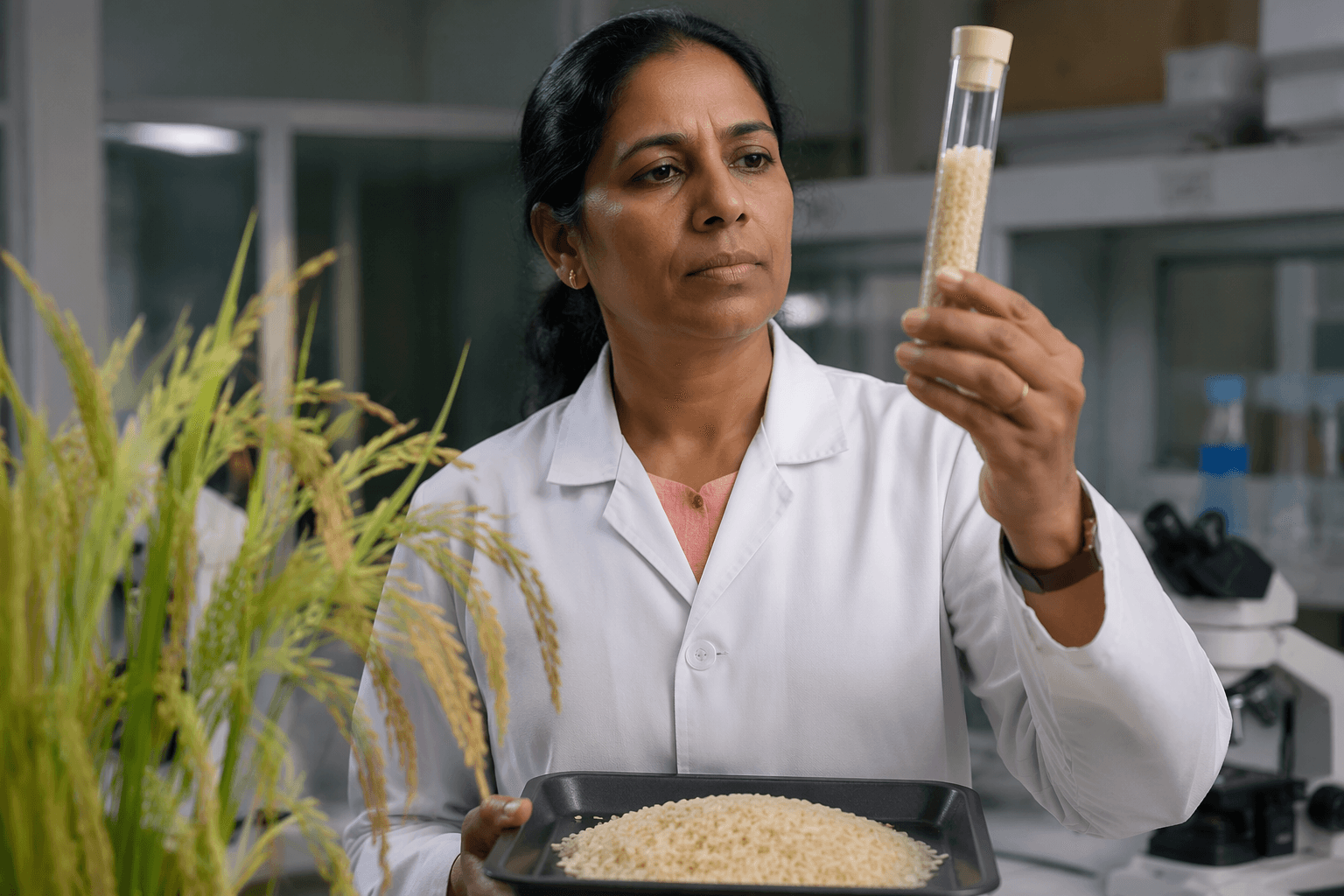
India’s daily bowl of rice is getting a metabolic makeover. Scientists at CSIR-NIIST in Thiruvananthapuram have developed a designer rice that carries about three times the protein of normal grains while keeping a low glycaemic index, a rare attempt to change the health profile of a staple without asking people to give it up.
The grain was made with food-processing technology rather than genetic modification. Researchers reprocessed broken rice into a fortified product and added nutrients including iron, folic acid and vitamin B12, turning a low-value milling byproduct into a higher-protein food meant to fit everyday eating patterns.
By March and April 2026, reports put the rice’s protein content at roughly 20% to 22%, compared with about 6% to 8% in conventional rice. One report said its glycaemic index was 54. That combination matters in India, where a 2025 white paper cited ICMR-INDIAB estimates of more than 101 million people living with diabetes and another 136 million with prediabetes.
The public-health logic is straightforward: rice is eaten daily across the country, so even modest changes in its nutritional profile could have a larger impact than another niche functional food aimed at a narrow market. CSIR described the product as a way to address malnutrition and lifestyle diseases at the same time, a framing that puts protein deficiency and glucose control in the same bowl.
The harder question is whether the promise can survive contact with the market. In February 2026, the technology was slated to be licensed to Tata Consumer Products Ltd and SS Soul Foods in Tamil Nadu, a sign that CSIR-NIIST was already trying to move the product from lab to plate. But commercial success will depend on more than a clean nutrient panel: households will have to accept the taste and price, processors will have to scale the rice reliably, and people managing diabetes will have to believe the switch is worth making.
That test is especially important in a country where a 2025 nutrition study found diets remain heavy in carbohydrates and protein intake is often suboptimal. If the designer rice can keep the familiar place of rice on the table while quietly improving what that meal delivers, it could matter far more than yet another specialty product marketed to the already health-conscious.
This article was produced by Prism’s automated news system from verified source data, official records, and press releases, then run through automated quality and moderation checks before publishing. The system is built and supervised by the people who set the standards it runs under. Read our full AI policy.
Know something we missed? Have a correction or additional information?
Submit a Tip