Jack Link’s survey finds consumers skeptical of protein claims
Link Snacks’ new 2,000-person survey says protein still sells, but shoppers are tiring of gimmicks and demanding clearer, more credible claims.
Link Snacks, Inc. released “The Protein Paradox: New Survey Finds Consumers Are Calling Time-Out on Protein Gimmicks” on July 22 at 08:45 ET, and the 2,000-American survey gives a name to a problem building in the protein aisle. Jack Link’s, one of Link Snacks’ global meat snack brands, is using the findings to argue that shoppers still want protein, but no longer reward every product that slaps a high-protein badge on the package.
That shift matters because protein remains one of the strongest claims in food and beverage. The International Food Information Council’s July 2025 Spotlight Survey of 1,000 U.S. consumers found 71% said protein is very or extremely important to their daily diet. Cargill’s 2025 Protein Profile put the growth in even starker terms, finding 61% of consumers increased their protein intake in 2024, up from 48% in 2019. Cargill also said consumers were seeking more protein for health and taste in 2025, a reminder that the category still has momentum even as the claims around it come under closer scrutiny.
The new Jack Link’s survey points to a more mature market, one where protein has moved from novelty to expectation. That puts pressure on brands to prove the claim rather than simply repeat it. In practical terms, credible protein now has to show up in the labeling, the formulation and the message at shelf. Brands that lean on authentic protein sources, straightforward ingredient communication and products that feel natural rather than forced are better positioned than those relying on novelty ingredients or marketing gimmicks.
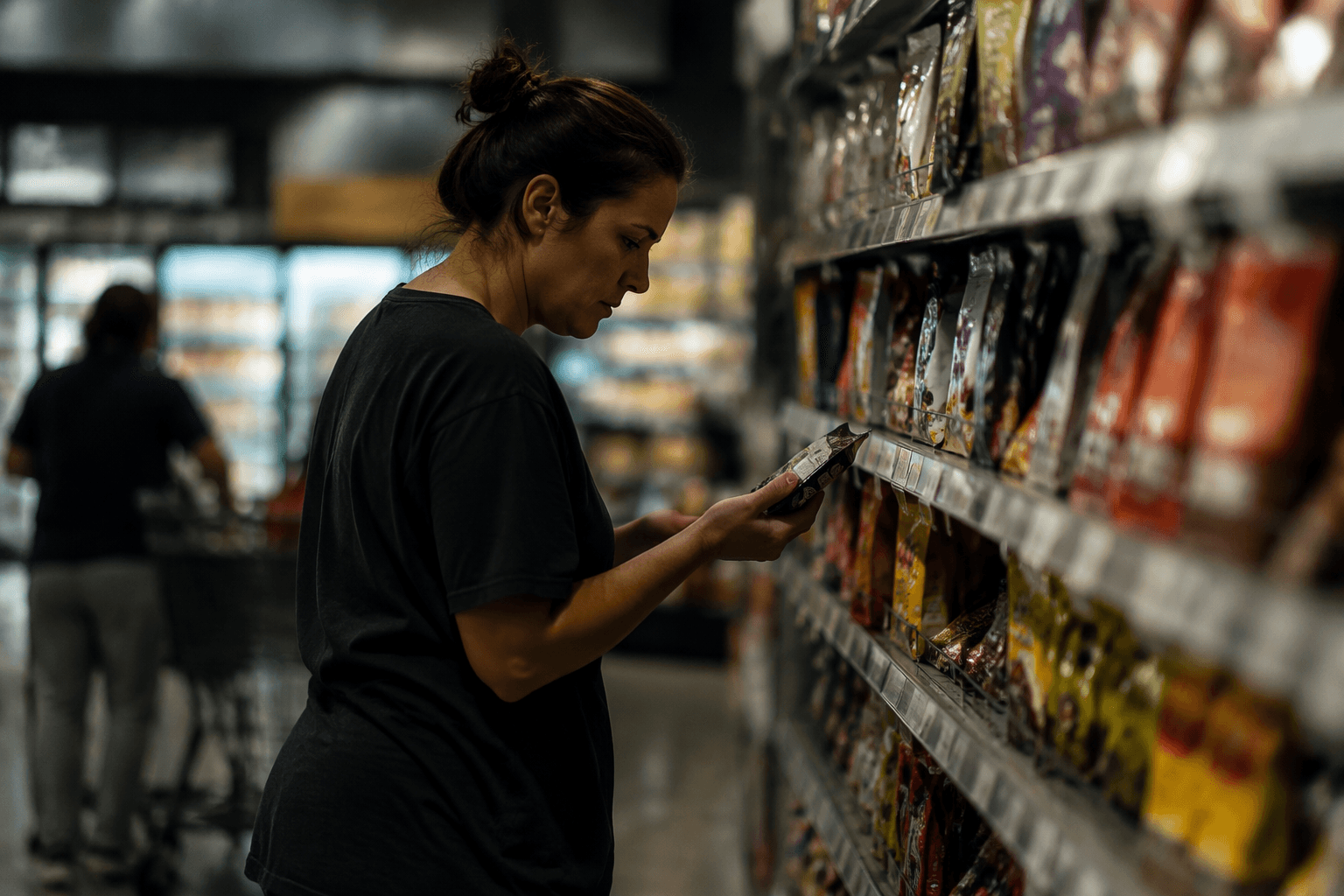
The tension is especially sharp for snack and beverage makers that have built new lines around protein as a differentiator. If consumers begin to see protein as a substitute for quality instead of an addition to it, the claim loses force fast. That leaves taste and convenience as part of the proof, not just the packaging. A protein bar, shake or snack has to earn repeat purchase on its own merits, not just on grams printed on the front panel.
The broader data suggest this skepticism is spreading even as demand holds up. NIQ’s July 2026 Protein’s Paradox report, citing a BASES Quick Question Protein Survey with 1,020 consumers in 2025, also found 71% said protein is very or extremely important to daily diet. Taken together, the surveys show a category with real consumer pull, but less patience for hype. That is the sharper test for brands now, especially the companies most exposed to reformulation claims, novelty inclusions and protein-first marketing that does not deliver much beyond the badge.
This article was produced by Prism’s automated news system from verified source data, official records, and press releases, then run through automated quality and moderation checks before publishing. The system is built and supervised by the people who set the standards it runs under. Read our full AI policy.
Did this article answer your question?