Leaf protein biorefineries could meet global protein needs in crisis, study says
A new model says leaf-protein factories could cover global protein in about two years, but only if biomass, power and harvesting capacity scale fast enough.
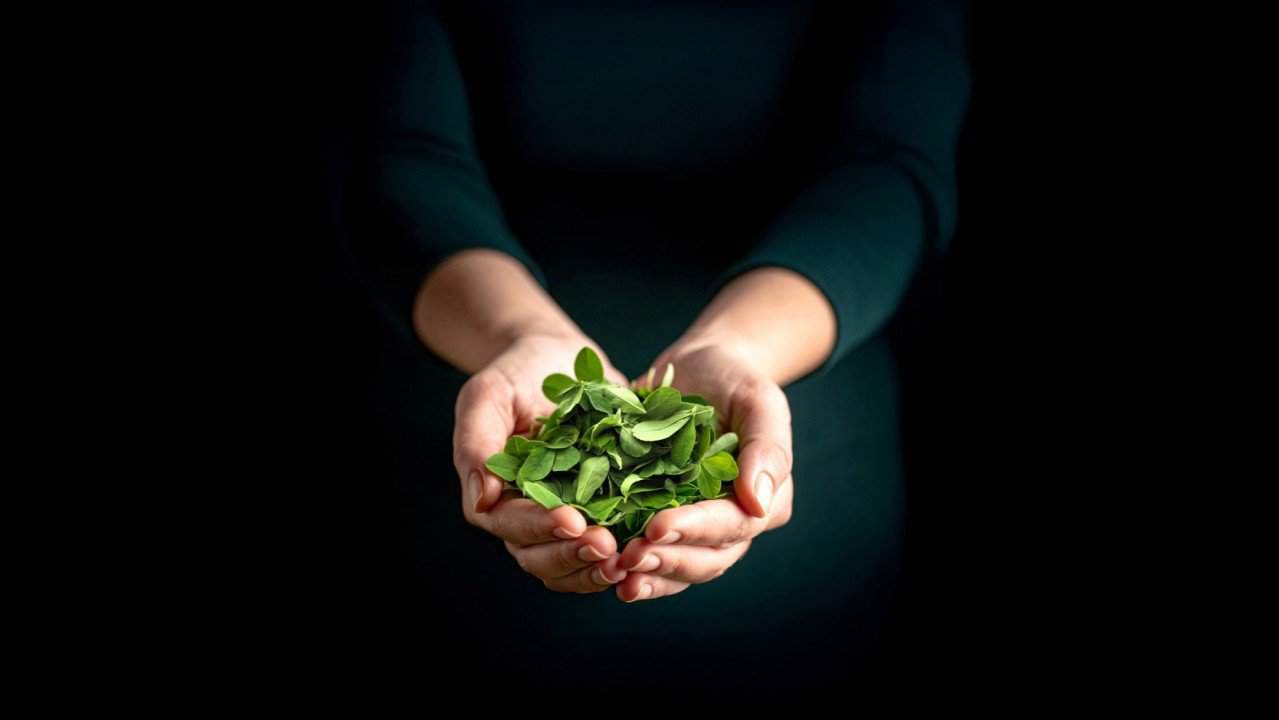
Leaf protein has been around since Rouelle described it in 1773, but this new model gives the old idea a far tougher assignment: emergency protein supply. In a peer-reviewed paper in Sustainable Production and Consumption, funded by the Alliance to Feed the Earth in Disasters, researchers modeled a system that presses leafy biomass into a protein-rich juice, heats it into leaf protein concentrate, and separates out the fibrous fraction for other use.
The headline number is striking. The study says leaf protein factories alone could meet global protein needs in about two years, while leaf protein concentrate plus sugar could cover roughly 5% of global caloric requirements in one year. The ramp-up time for leaf protein concentrate is estimated at one to two years, but the model also assumes a major expansion in biomass cropping and harvesting. That is the part that matters most if the goal is food security rather than novelty: a crisis ingredient is only as credible as the fields, machines, processors and transport behind it.
That is why the study lands less as a sustainability concept and more as a resilience plan. University of Canterbury coverage says the work is aimed at preventing mass starvation if global food systems are severely disrupted, including shocks such as volcanic eruptions or extreme solar storms that could hit both food production and electricity systems. In that scenario, the unanswered questions are practical ones: where the feedstock comes from, how quickly factories can be built, how much electricity the heating step needs, and whether food-grade regulation can move fast enough to let leaf protein into the supply chain before the crisis deepens.
The idea also has real historical depth. J.B. Pirie began investigating leaf protein for human nutrition at Rothamsted Experimental Station in 1940, and Rothamsted, in Hertfordshire, England, remains the longest established agricultural research venue in the world. More recent work has strengthened the case for the ingredient itself: a 2023 review found Rubisco can make up to 50% of soluble leaf protein and has favorable functional properties, while newer studies report high essential amino acid content and promising solubility. That is why companies like Leaft Foods and researchers across green biorefinery work are pushing beyond single-ingredient thinking toward full-crop utilization and side streams.
The study’s real test is not whether leaf protein can be made in a lab or pilot plant. It is whether a resilient, energy-intensive biorefinery network can be built fast enough to matter when conventional agriculture cannot.
This article was produced by Prism’s automated news system from verified source data, official records, and press releases, then run through automated quality and moderation checks before publishing. The system is built and supervised by the people who set the standards it runs under. Read our full AI policy.
Did this article answer your question?