Mondelez picks nine startups for CoLab Tech, highlights protein innovation
Mondelez chose nine startups for CoLab Tech 2026, and Alpine Bio and Akarso Bio show where big CPG wants protein and fermentation to go.

Mondelez International picked nine startups for the third CoLab Tech cohort after drawing more than 200 applications from around the world, a sign that the snack giant is still willing to place small, fast bets on ingredient platforms instead of waiting for them to fully mature. The 2026 program, led by Mondelez’s global research and development team, is aimed at sustainability, ingredient science and food technology.
The company framed the accelerator as a way to address environmental, supply-chain and regulatory headaches while also speeding up front-end innovation and better consumer experiences. That matters for a company that operates in more than 150 countries and has tied sustainability to its public ingredient agenda. Ian Noble, Mondelez’s vice president of R&D for Research, Analytical Sciences & Cocoa, has made clear that the pressure on consumer packaged goods is coming from both supply chains and AI, and the startup roster shows where the company thinks the next useful tools may come from.
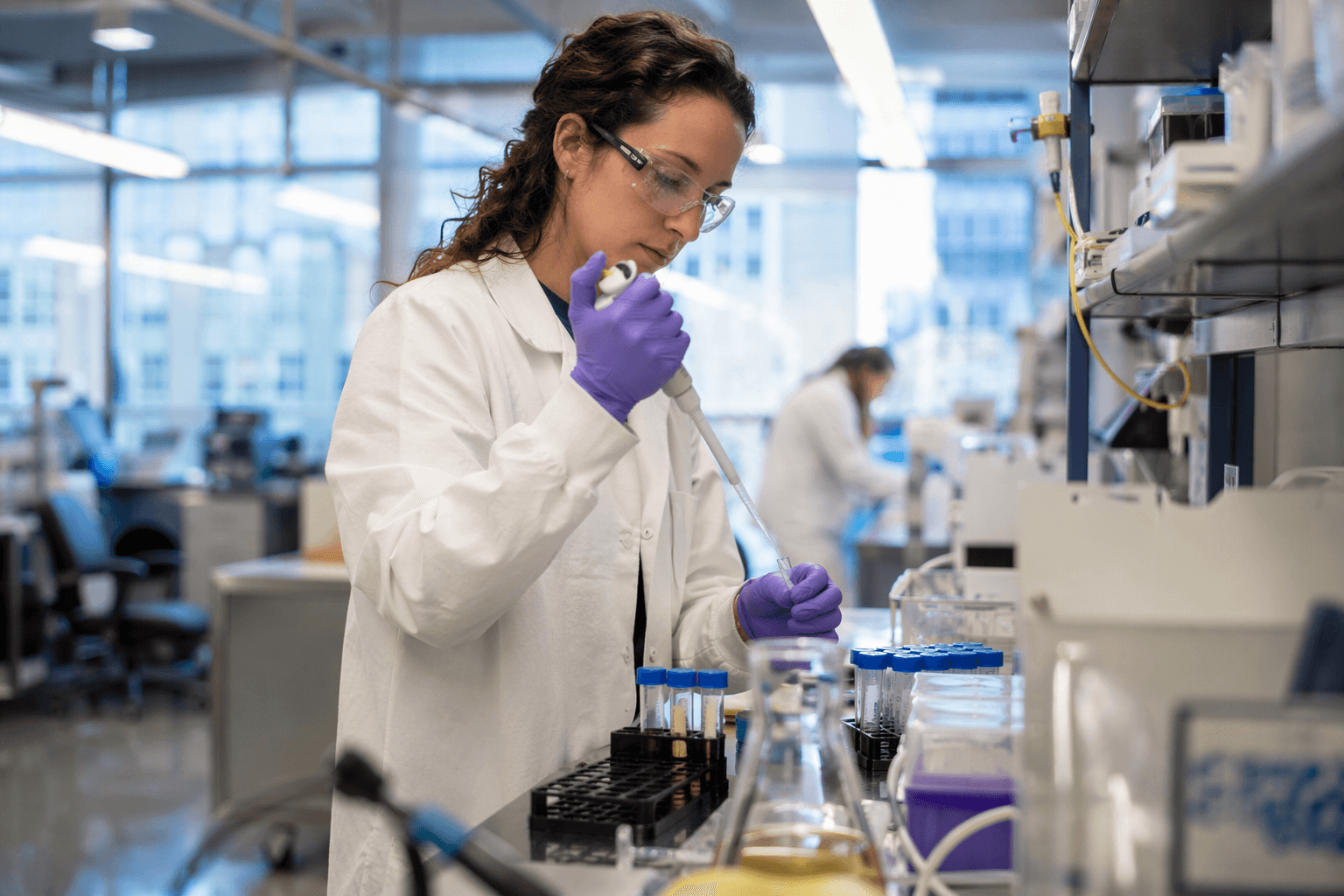
The clearest protein signal is Alpine Bio. The company says its fractionated soy protein isolate delivers complete solubility and whey-like performance, and that it can fully dissolve at concentrations where other plant proteins fail. Alpine Bio also says the ingredient is non-GMO, gluten-free and free from gums, starches, anti-caking agents and flow agents. For formulators, that combination points to the part of the market still demanding the hardest thing to build in plant protein: dairy-style functionality without a mess of stabilizers or a hit to texture.
Akarso Bio points to a different but related demand. Its fermented fiber platform is built around zero-calorie, clean-label, scalable ingredients positioned for hunger management, gut health and metabolic wellness. Coverage around the launch described the platform as behaving like a hydrocolloid, declaring like a fiber and possibly stimulating GLP-1 naturally. That puts it squarely in the satiety and wellness lane, where protein, fiber and metabolic claims are increasingly converging.
The rest of the cohort reinforces the same pattern. Nourish Ingredients is focused on animal-free fats made through precision fermentation and enzymes, with products designed to create creamy dairy-like and meaty sensory effects. Ruby Bio uses yeast fermentation and renewable or waste feedstocks to make food emulsifiers and other bio-based ingredients that can improve performance and shelf life in baked foods, beverages and confectionery. Taken together, the selections show Mondelez looking for ingredients that can commercialize quickly, survive industrial processing and hit the functional marks that still separate promising biotech from real snack-aisle relevance.
This article was produced by Prism’s automated news system from verified source data, official records, and press releases, then run through automated quality and moderation checks before publishing. The system is built and supervised by the people who set the standards it runs under. Read our full AI policy.
Did this article answer your question?