MyNetDiary GLP-1 Companion Signals Protein Tracking’s Behavioral Shift
MyNetDiary’s new GLP-1 companion turns protein into a tracked behavior, not just a wellness slogan, and that shift matters for how people eat and buy.
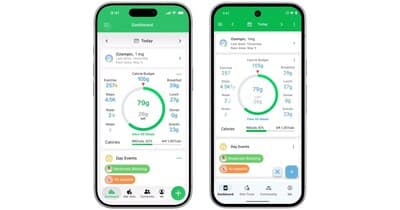
The real story in MyNetDiary’s GLP-1 Companion is not the reminder ping. It’s the way protein is being pulled into a medication-centered routine. When appetite changes, meals get smaller, and the goal shifts from “eat more protein” to “eat enough protein without making the day miserable,” tracking stops looking like a generic habit app feature and starts looking like part of GLP-1 therapy itself.
What the app is actually doing
MyNetDiary launched GLP-1 Companion on May 5, 2026, inside MyNetDiary Premium, with availability on both iOS and Android at launch. The company says the tool bundles injection reminders, protein tracking, hydration and fiber tracking, digestive symptom logging, GLP-1 meal plans and progress charts into one place. That combination matters because it reflects how GLP-1 use plays out in real life: the issue is rarely just weight loss, it is staying on track when eating feels different.
MyNetDiary is not a tiny specialty startup trying to invent a category from scratch. It says it is headquartered in Boca Raton, Florida, founded in 2005, and used by more than 31 million registered users. Its staff-verified food database includes more than 2 million foods and 108 nutrients, which gives the GLP-1 Companion a base of food logging and nutrient tracking that is already much deeper than a typical reminder app.
Protein has moved from wellness language to adherence language
That is the behavioral shift worth watching. Protein used to be marketed as a broad health virtue, the thing fitness brands threw onto packaging to signal strength, satiety or “clean” eating. GLP-1 therapy changes the stakes. Users taking Ozempic, Wegovy, Mounjaro or Zepbound are often dealing with smaller portions, lower appetite and a need to make every bite count, which turns protein into something closer to a daily management variable than a nice-to-have.
MyNetDiary’s app formalizes that mindset. If users open the app to log an injection reminder, check protein intake, note digestive symptoms and plan a meal, protein becomes part of the treatment rhythm. That is a very different consumer behavior from casually scanning a bar wrapper at the store and hoping the number looks good.
The medical backdrop makes the feature set more than marketing
The timing lines up with a broader 2025 consensus from the American College of Lifestyle Medicine, the American Society for Nutrition, the Obesity Medicine Association and The Obesity Society. Their joint advisory said real-world challenges and limited clinician and public knowledge on nutrition and lifestyle interventions can limit GLP-1 efficacy, equitable results and cost-effectiveness. It also said increased protein intake alone is likely not enough to preserve muscle mass without structured resistance or strength training.
That detail is critical. It means protein tracking is useful, but it is not a full solution. A user can hit a protein target and still lose lean mass if strength training is absent, which is why the most responsible GLP-1 support tools are starting to look less like calorie counters and more like behavior coordination systems. MyNetDiary’s protein focus fits that direction, but it should be read as one layer in a larger management stack, not a standalone answer.
Why digestive logging and meal planning matter as much as protein counts
The smartest part of the GLP-1 Companion is that it does not isolate protein from the rest of the eating experience. Digestive symptom logging is a practical addition because nausea, fullness, and other GI effects can determine whether a user can actually follow a plan. Meal planning matters for the same reason: when portions shrink, the structure of the meal becomes just as important as the macro target.

Hydration and fiber tracking round out the picture. GLP-1 users are often trying to manage intake quality, digestion and tolerance at the same time, which means a protein-only view is too narrow. In practice, the app is trying to help users assemble meals that are nutrient-dense, easier to tolerate and easier to repeat.
What this means for protein brands
For protein companies, the important signal is that software is now shaping demand as much as shelf placement does. If the app becomes a daily habit, protein tracking becomes a daily habit too, and that pushes users toward products that fit the routine: protein-rich meals, snacks and shakes that are easy to log, easy to digest and easy to fit into smaller portions.
That creates a new kind of product pressure. Brands that are heavy, overly sweet, hard to portion or difficult on the stomach may be at a disadvantage with GLP-1 users. The winners are more likely to be the products that disappear into the workflow, the ones that fit a breakfast after an injection, a small lunch when appetite is muted, or a shake that does not feel like a chore.
GLP-1 users are no longer a side audience
The bigger market point is that GLP-1 users are now mainstream and commercially important. Their eating patterns are changing what they buy, how they buy and how much nutrition they expect from each bite. That matters beyond the drug category itself because it turns a medical regimen into a consumer behavior engine, one that can reshape food discovery, product selection and repeat purchase.
The FDA backdrop reinforces how large and contested this category has become. The agency has warned about unapproved versions of semaglutide and tirzepatide used for weight loss and has issued warning letters aimed at stopping illegally marketed products. Put that next to a purpose-built GLP-1 app and the pattern is hard to miss: the market is no longer treating GLP-1 therapy as a niche medical event, but as a durable consumer journey with its own software layer.
The bottom line
MyNetDiary’s GLP-1 Companion is interesting because it helps make protein measurable, repeatable and behaviorally sticky for a fast-growing group of users. The best reading of the launch is not that protein tracking has been reinvented, but that it has been pulled into a more medically organized workflow where adherence, tolerance and muscle preservation all sit in the same app screen.
That is the shift to watch: protein is no longer just a claim on a label. For GLP-1 users, it is becoming part of the daily operating system of weight management.
This article was produced by Prism’s automated news system from verified source data, official records, and press releases, then run through automated quality and moderation checks before publishing. The system is built and supervised by the people who set the standards it runs under. Read our full AI policy.
Did this article answer your question?