Nestlé eyes leaner portfolio as protein brands face scrutiny
Nestlé is pruning for focus, not retreat. The brands most at risk are the ones that overlap, underperform, or lack a clear protein use case.

The portfolio is the story
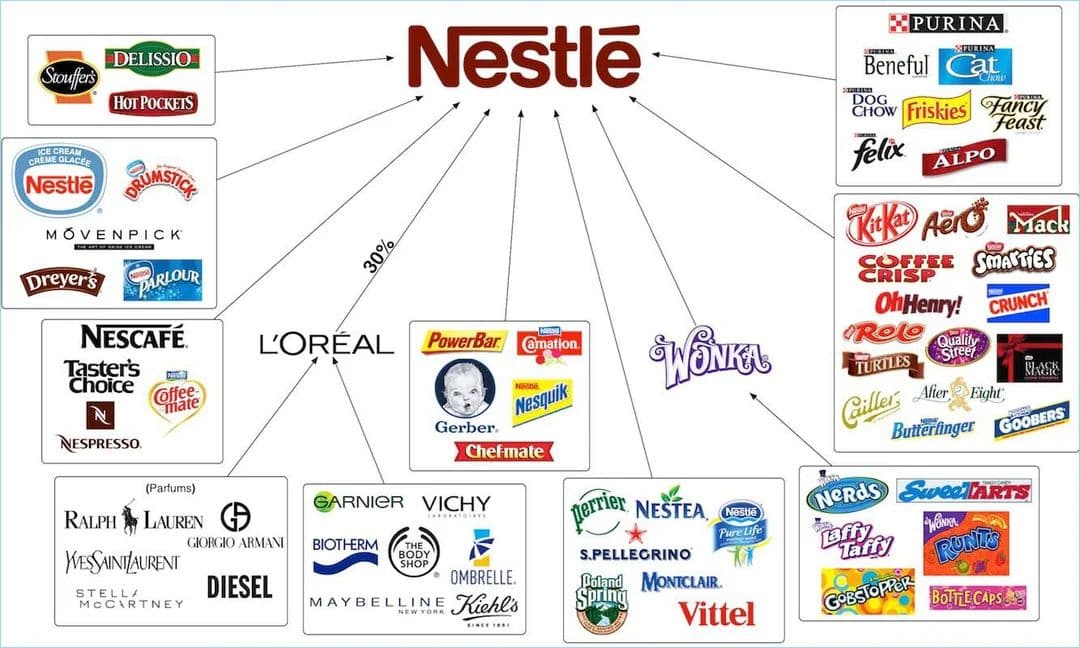
Nestlé’s protein question is not really about one product line or one shaky brand. It is about which businesses can still justify space in a portfolio that is getting narrower, more data-driven, and far less sentimental. The company says it is sharpening around four core businesses, Coffee, Petcare, Nutrition, and Food & Snacks, and that is the clearest clue yet to how it is sorting winners from hangers-on.
That matters for protein because the category often hides inside mixed portfolios: dairy, beverage, meal replacements, and convenience nutrition can all wear a protein badge, but not all of them deserve the same protection. When Nestlé talks about pruning, it is signaling that scale alone is no longer enough. A brand has to earn its shelf space with growth, margin, and a role that fits the larger system.
What Nestlé is really cutting away
The company’s language is blunt for a business this large. In 2025, Nestlé said it concentrated resources on global platforms, its most successful brands, and key innovations with significant growth potential. It also said it took measures to address 18 key underperformers, improving their contribution to Group organic growth by 30 basis points versus the prior year.
That is the kind of portfolio management that tells you where the knife will likely fall next. Brands that overlap too much, deliver weak growth, or need constant defending with little strategic payoff are the ones most exposed. In a protein context, that often means legacy nutrition assets that look useful on a slide deck but do not have enough consumer pull, enough margin, or enough distinctiveness to justify ongoing investment.
The message is not that Nestlé is giving up on nutrition. It is that nutrition has to behave like a platform, not a collection of side bets.
Why protein is under the microscope
Protein is one of the few areas where large food companies can still talk credibly about growth, but that does not mean every protein-branded product gets a free pass. The modern nutrition portfolio is crowded with dairy, shakes, meal replacements, and on-the-go formats that can blur together if sales slow or brand equity weakens. If a company is trying to become leaner, those blurred edges are exactly where the review starts.
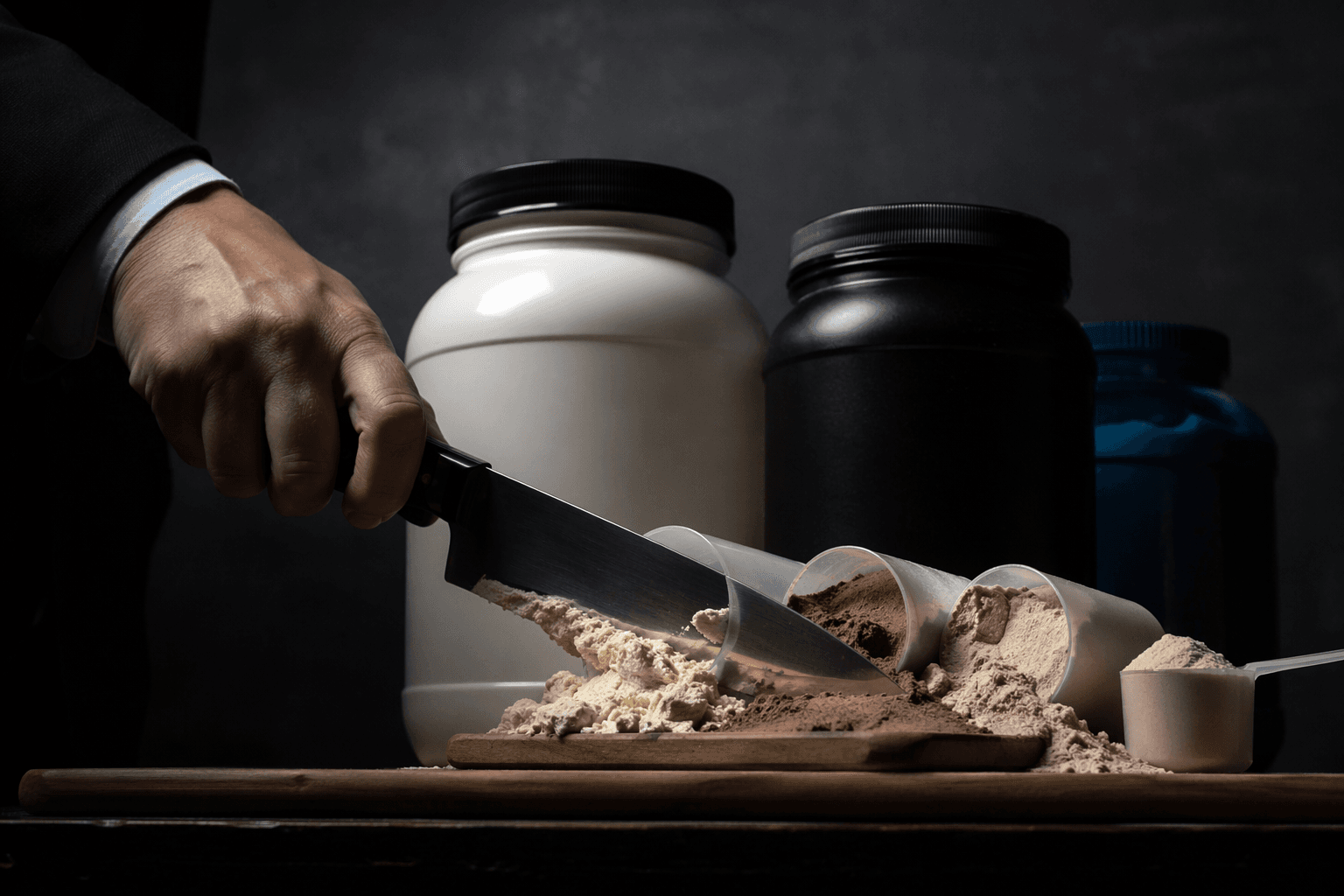
That is why Nestlé’s 2025 stance matters beyond its own balance sheet. The company said high-potential growth platforms represented 30% of sales, which shows that it is drawing a firmer line between priority businesses and the rest of the range. For protein, the implication is straightforward: only the brands with clear consumer relevance, distinctive use cases, and strong economics are likely to survive the next reshuffle.
This is where pruning becomes useful rather than defensive. It forces sharper innovation, clearer positioning, and a more honest answer to a brutal question: does this brand have a real reason to exist, or is it just another label in a busy shelf set?
Nestlé Health Science is the key tell
If you want to understand where Nestlé still wants to play in protein-adjacent nutrition, look at Nestlé Health Science. At Capital Markets Day 2024, the division was positioned as central to Nestlé’s Nutrition, Health and Wellness strategy, which is a very different message from a company that is backing away from the category. Its growth themes include aging populations, chronic disease prevalence, and proactive health and wellness behavior, all of which support demand for more functional, protein-friendly products.
That framing matters because it shows the kind of nutrition Nestlé wants to keep investing in. The company is not chasing every wellness trend. It is backing businesses that can sit inside a broader health strategy, where protein is part of a solution, not just a claim on a carton or a tub.
Nestlé Health Science’s public positioning also points to active lifestyle, healthy aging, and medical nutrition. Those are the lanes where protein can look strategic instead of decorative, especially when the consumer use case is specific and repeatable.
Yfood shows the buy and trim formula
Yfood is the cleanest example of Nestlé’s two-track approach. In April 2023, Nestlé took a 49.95% stake in the Germany-based meal-replacement business, in a deal widely valued at about €430 million. Yfood was founded in Munich in 2017 by Ben Kremer and Noël Bollmann, and the company built itself around a convenience-nutrition proposition that fits neatly into modern on-the-go eating.
That deal is important because it shows Nestlé is still willing to buy into growth. It is not retreating from protein-adjacent formats; it is upgrading its exposure to the ones it thinks can scale. The later move to buy the rest outright in June 2026 reinforces the point: Nestlé wants more of the platforms it believes have a future, even as it trims the parts of the portfolio that no longer fit.
For the category, that is a real signal. Meal replacements, high-protein beverages, and functional nutrition concepts are not being treated equally. The brands that win are the ones with a sharp use case and enough margin discipline to justify deeper ownership.
The money trail behind the strategy
Nestlé’s capital allocation tells the same story. At its November 19, 2024 Capital Markets Day, the company said it would lift advertising and marketing spending to 9% of sales by the end of 2025. It also said it expected at least CHF 2.5 billion of cost savings above existing initiatives by the end of 2027.
Those numbers matter because they turn pruning into funding. This is not simply a clean-up exercise. It is a reallocation plan, with money pulled from weaker or less strategic parts of the portfolio and pushed toward brands and platforms that can grow harder, scale faster, and defend margin better.
Nestlé’s 2024 performance gives that logic some context. The company reported organic growth of 2.2% and a return to positive real internal growth of 0.8%. In other words, it is not acting from panic; it is acting from a position where discipline looks like a lever, not a rescue job.
What survives the next reshuffle
The brands most likely to stay protected are the ones that look like platforms, not fillers. In practice, that means businesses with clear consumer relevance, strong repeat purchase, and a role that Nestlé can defend with innovation and marketing. For protein, that usually means products tied to active lifestyle, healthy aging, medical nutrition, or convenience formats that solve a real meal problem.
The brands most at risk are the opposite: legacy assets with overlapping functions, muddy positioning, or growth that no longer justifies the overhead. In a leaner Nestlé, protein will not be saved by the category label alone. It will be saved by fit, margin, and the ability to prove it belongs in one of the company’s four core businesses for the long haul.
This article was produced by Prism’s automated news system from verified source data, official records, and press releases, then run through automated quality and moderation checks before publishing. The system is built and supervised by the people who set the standards it runs under. Read our full AI policy.
Know something we missed? Have a correction or additional information?
Submit a Tip