New non-GMO soybean cuts beany off-flavors, could expand plant proteins
A lipoxygenase-free, non-GMO soy line called Super posted the weakest off-notes in a four-variety test, a step toward cleaner-tasting protein drinks and meat alternatives.
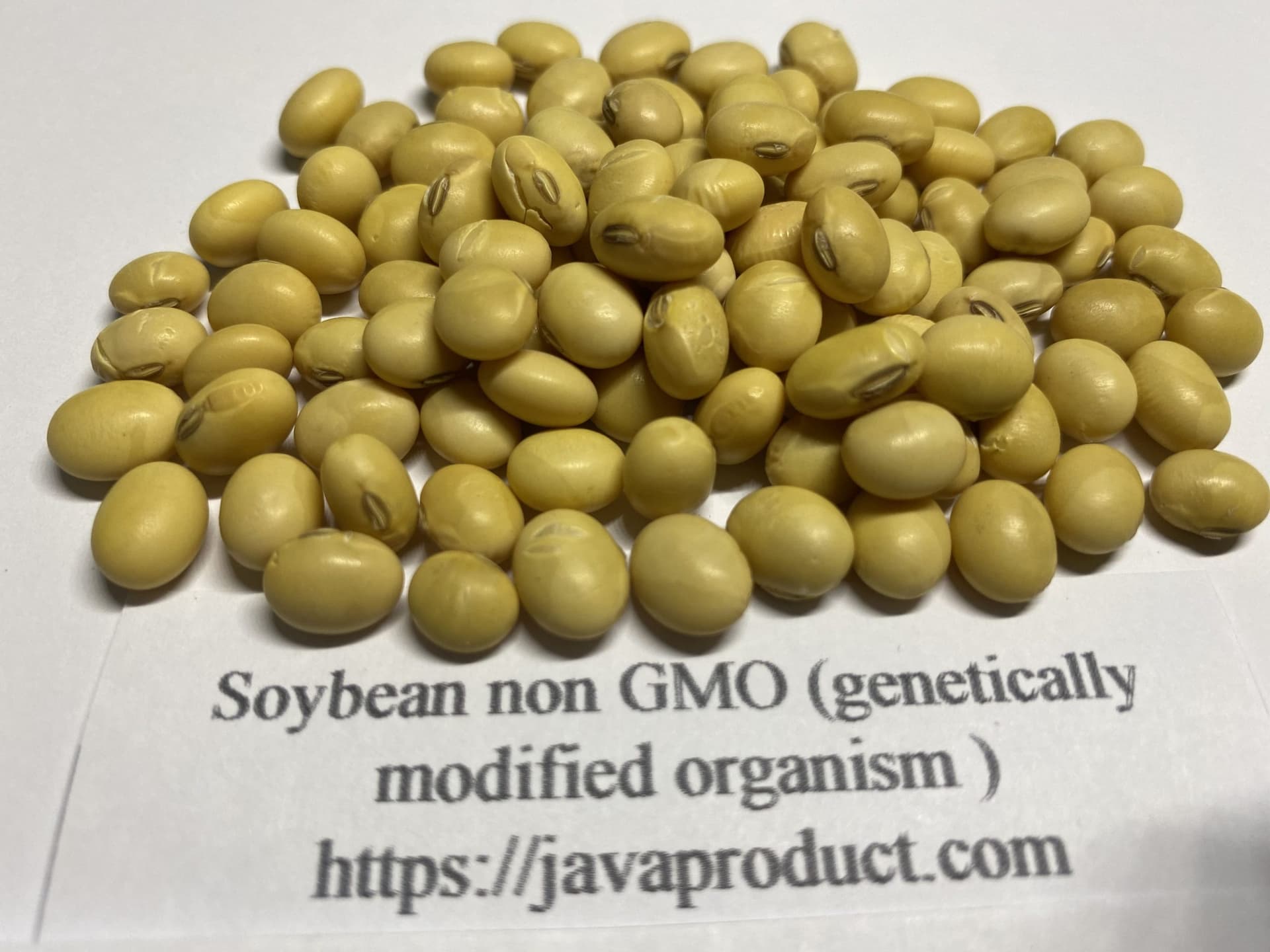
A non-GMO soybean line that cuts beany and painty notes could make soy easier to sell in the places it still struggles most: protein drinks, dairy alternatives and meat analogs. In a four-variety test, the Super line delivered the lowest off-flavor compounds and the weakest sensory off-notes, while the commodity Patriot soybean showed the highest levels of the compounds tied to grassy, beany taste.
Researchers from the USDA Agricultural Research Service, the University of Missouri and industry partners ran the comparison under identical growing conditions and processed each soybean into a raw slurry similar to uncooked soymilk. Nine trained panelists scored the samples on 12 traits. The study, published in Food Chemistry, compared Patriot, a high oleic and low linolenic acid oil line, and two HOLL soybean types with reduced anti-nutrient carbohydrates, Tiger and Super. Super stood out because it was described as lipoxygenase-free, a critical detail in soy flavor chemistry.
That matters because soy’s biggest commercial problem is not nutrition. It is taste. Lipoxygenase and lipid oxidation drive much of the unpleasant flavor that formulators have spent years masking with sweeteners, flavor systems and heavy processing. A soy source that starts cleaner could reduce that burden in soymilk, protein beverages, nutrition powders and plant-based burgers, where a neutral flavor base is often the difference between a repeat purchase and a one-time trial.
The breeding strategy behind Super goes beyond one trait. USDA says the innovation combines multiple beneficial seed traits, including high oleic acid, low linolenic acid, lipoxygenase-null characteristics and carbohydrate modifications. The Mizzou team said the soybean was designed with a healthier fat profile, reduced certain sugars and removed lipoxygenase. Kristin Bilyeu and University of Missouri colleagues Bongkosh “Jeab” Vardhanabhuti and Sara Diedrich began planning the flavor work in 2021 and started the study in 2023, aiming to prove the new beans could perform better in finished foods.
The commercial stakes are real. USDA says one aspect of the technology is already patented, and a pending patent application for the combined trait system is drawing interest from seed companies and food and ingredient manufacturers looking for neutral-flavored, high-quality protein sources. In Missouri, where the Missouri Soybean Center says soybeans are the state’s No. 1 crop in both acres and value, the payoff could reach well beyond the lab. The next test is simple and expensive: whether a better-tasting bean can translate into better-tasting products consumers actually buy.
This article was produced by Prism’s automated news system from verified source data, official records, and press releases, then run through automated quality and moderation checks before publishing. The system is built and supervised by the people who set the standards it runs under. Read our full AI policy.
Did this article answer your question?