NS/TX Industries raises $10.5 million to scale whole-cut protein manufacturing
NS/TX Industries pulled in $10.5 million to automate its whole-cut protein line in Toronto, betting a V2 assembly line can lift capacity more than tenfold.
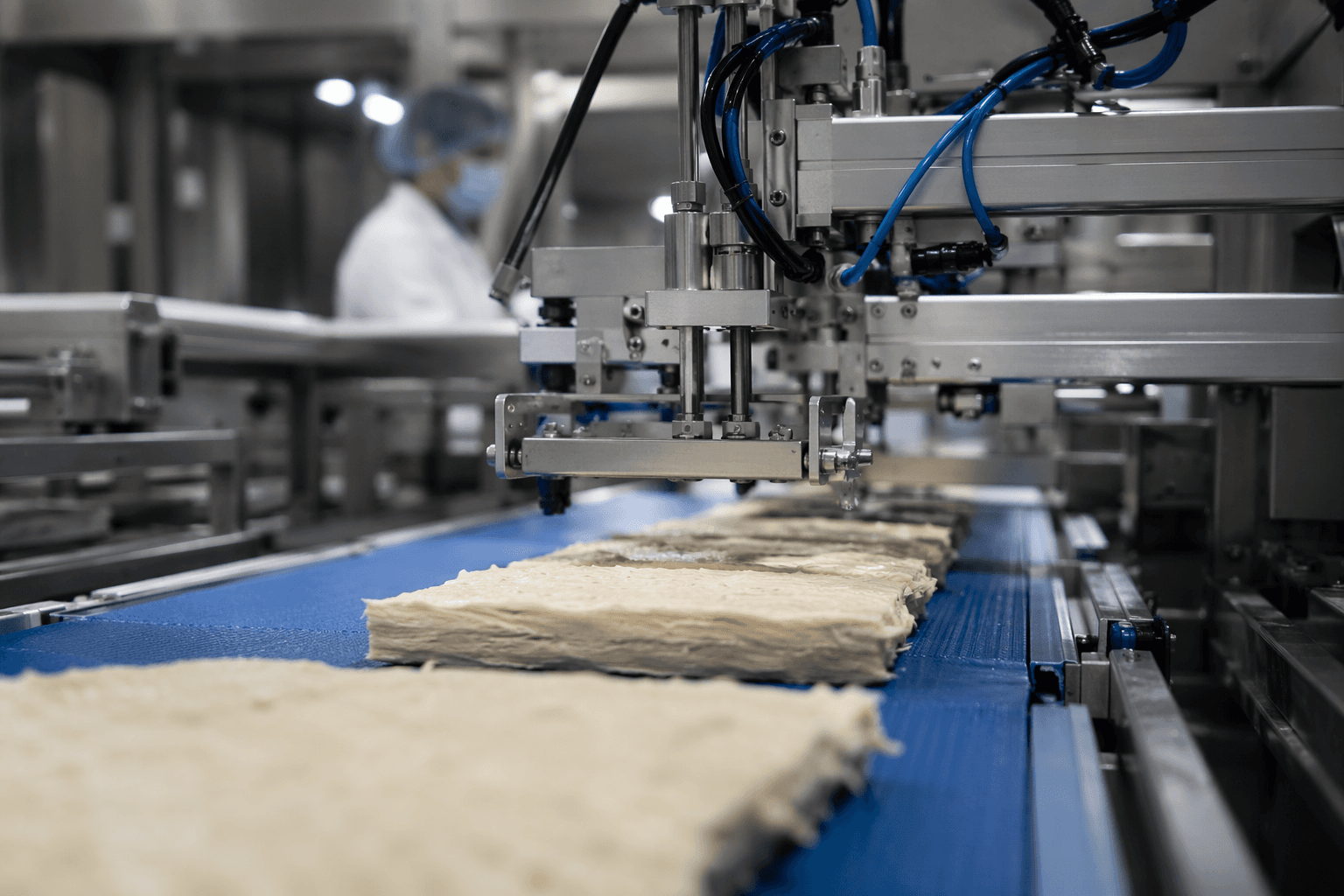
NS/TX Industries just gave whole-cut alternative proteins a harder manufacturing test: can the category be produced at real industrial volume without drowning in labor and capex? The Toronto company said it raised $10.5 million in Series A capital and non-dilutive grants to build a new automated assembly line at its downtown facility, with the explicit goal of turning a technically difficult format into something repeatable enough to scale.
The equity round was co-led by Inter IKEA Development BV and Lever VC, with participation from Good Startup, Verdex Capital and founder Chris Bryson. Protein Industries Canada supplied the non-dilutive capital. NS/TX said the new financing pushes total funding raised past $30 million, a meaningful signal in a market where investors have grown wary of big ideas that never solve the manufacturing problem.
The money is going into a V2 Assembly Line at NS/TX’s 28,000-square-foot plant in downtown Toronto. That line is designed to automate the company’s proprietary texturization and scaffolding process and lift capacity by more than tenfold. That is the real story here. Whole-cut meat alternatives are not burgers with a nicer story attached. They have to hold structure, cook properly and still land at a price foodservice and retail buyers can live with, which is why so many companies get stuck in small-batch, labor-heavy production.

NS/TX launched its first commercial line in late 2024, and this next phase suggests the company thinks it has already moved beyond pure proof of concept. The bet now is that automation can standardize the messy parts of whole-cut production, cut dependence on hands-on fabrication and turn a niche product into an industrial process. If the V2 line performs the way NS/TX says it will, the company could become a useful template for the next stage of alt-protein manufacturing: less emphasis on consumer branding, more emphasis on throughput, consistency and unit economics.
That is why this round matters beyond one Toronto factory. The sector has spent years talking about whole cuts as the prestige end of alternative protein, but prestige does not solve yield, labor or equipment economics. NS/TX is trying to answer the question that actually matters: whether automation can make whole-cut protein cheap, consistent and fast enough to build a business around.
This article was produced by Prism’s automated news system from verified source data, official records, and press releases, then run through automated quality and moderation checks before publishing. The system is built and supervised by the people who set the standards it runs under. Read our full AI policy.
Did this article answer your question?