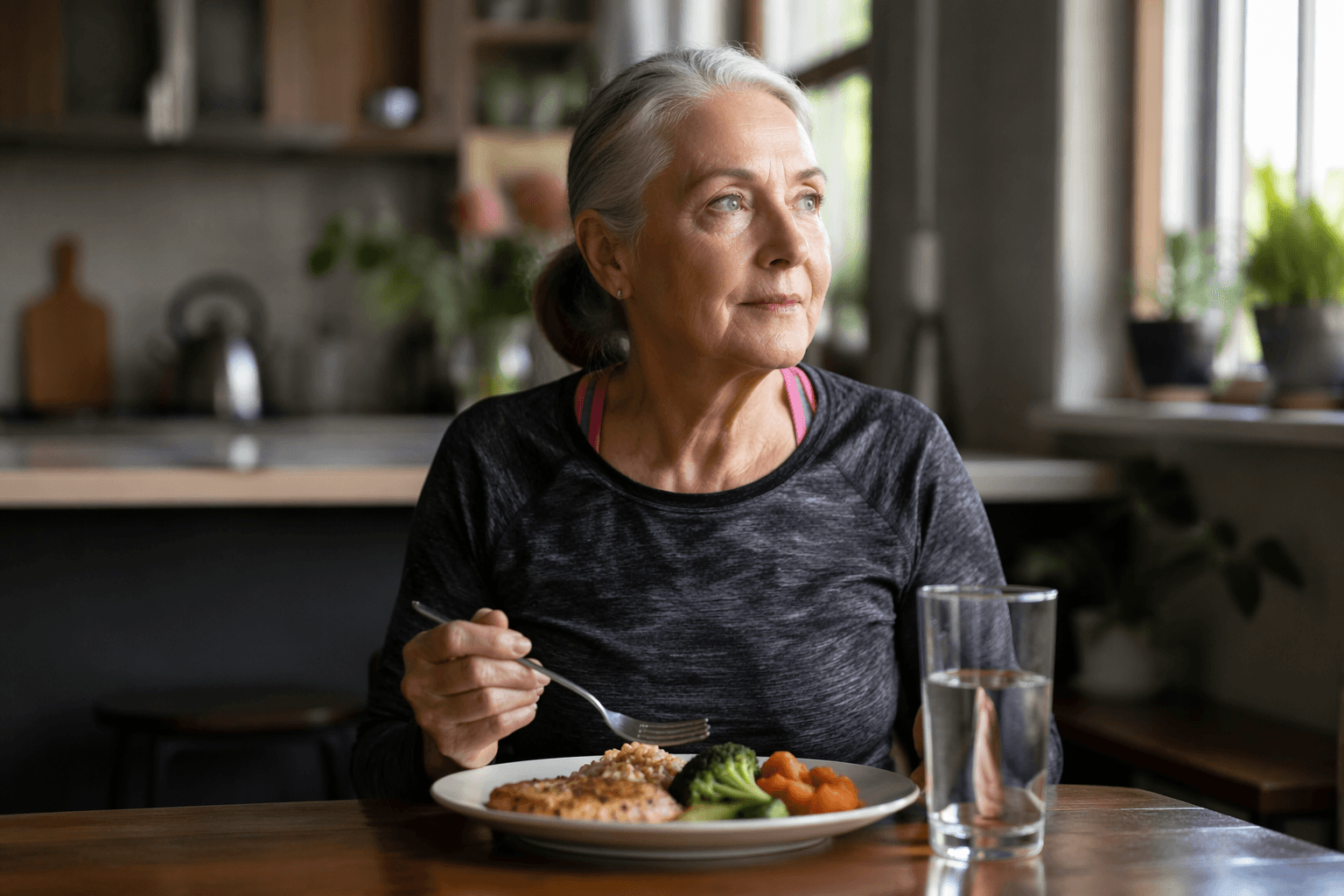
Nutrition experts challenge higher protein push in federal guidelines
Federal protein advice jumped to 1.2 to 1.6 grams per kilo, but experts say the bigger issue is how much comes from red and processed meat.
Nutrition experts are pushing back on a federal message that asks Americans to eat more protein just as cancer researchers are warning about the health costs of getting that protein from red and processed meat. The new 2025 to 2030 Dietary Guidelines for Americans, released in January 2026, raised the protein recommendation to 1.2 to 1.6 grams per kilogram of body weight, a level critics say is far above what most people need and not backed by new evidence for a population-wide increase.
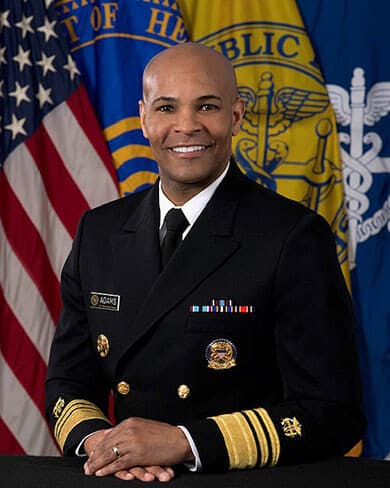
Former Surgeon General Jerome Adams amplified the debate after PBS NewsHour reported that the guidance emphasizes red meat, whole milk, butter and other animal sources of protein while downplaying plant-based options. The same reporting noted that the average American man already consumes about 100 grams of protein a day, roughly twice the previous federal recommendation. Supporters of the change argue the old standard was designed to prevent deficiency, not to optimize muscle or metabolic health. Critics counter that the science does not justify moving the bar so sharply for the entire country.
The stakes are bigger than nutrition label debates. The Dietary Guidelines shape federal food policy, including school meals and food assistance programs, so a shift toward animal protein can ripple through cafeterias and benefit programs far beyond grocery-store shelves. That concern lands at a moment when the American Cancer Society says colorectal cancer remains a major public health problem, with about 108,860 new U.S. cases and about 55,230 deaths expected in 2026. The society also says rates are rising among people under 65, especially younger adults, and rectal cancer now accounts for nearly one-third, or 32 percent, of colorectal cancer diagnoses, up from 27 percent in the mid-2000s.
Cancer prevention groups continue to draw a hard line on meat intake. The American Cancer Society says the American Institute for Cancer Research and the American Society of Clinical Oncology recommend avoiding processed meat and limiting red meat to no more than 18 ounces a week. That warning has gained force as researchers studying young-onset colorectal cancer have linked diet-derived metabolites associated with red and processed meat to higher risk, and a 2026 Frontiers analysis found the burden tied to high red meat intake has declined overall but still remains troubling among younger adults.
The 2025 Dietary Guidelines Advisory Committee submitted its scientific report to the U.S. Department of Health and Human Services and the U.S. Department of Agriculture in December 2024, then opened a 60-day public comment period before the final guidelines were issued. The fight now is less about whether Americans need protein than about whether federal policy is getting ahead of the evidence, and whether the push for more animal protein could collide with the country’s broader effort to reduce colorectal cancer risk.
This article was produced by Prism’s automated news system from verified source data, official records, and press releases, then run through automated quality and moderation checks before publishing. The system is built and supervised by the people who set the standards it runs under. Read our full AI policy.
Did this article answer your question?