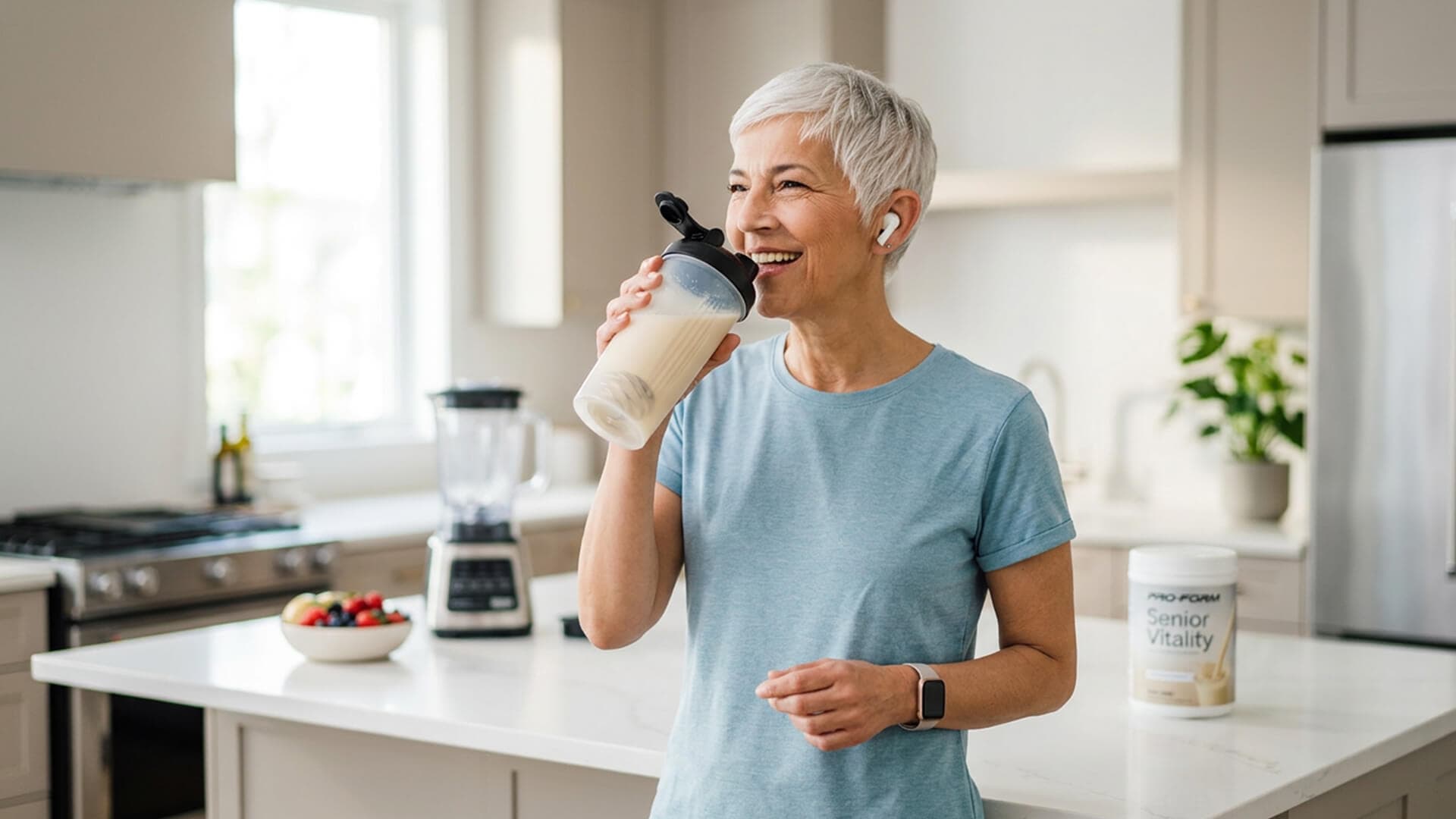
Carbery and Synergy Flavours push protein products with better taste, texture
Protein is being judged on mouthfeel now, and Carbery and Synergy are building whey concepts that make high-protein products easier to enjoy and buy again.
Taste and texture are now the real protein test
Protein has moved past the old selling point of simply “more grams per serving.” The sharper question in 2026 is whether a high-protein product still tastes good, feels smooth, and works in a format people actually want to eat again. That is the lane Carbery and Synergy Flavours are carving out together: not just protein fortification, but protein that behaves properly in bars, beverages, smoothies, coffees, desserts, and other everyday formats.
The practical problem is familiar to anyone who has spent time around protein reformulation. Push protein levels too hard and the result can turn dense, chalky, heavy, or drying. Carbery and Synergy are leaning into the idea that the next wave of protein innovation will be won by solving those sensory issues, because nutritional value alone does not guarantee repeat purchase.
What they are showing on the floor in Barcelona
At Vitafoods Europe 2026, Carbery and Synergy Flavours presented their collaboration from stand 3K246, the same stand they used to show how whey protein systems can be built around real product performance rather than abstract nutrition claims. Vitafoods Europe ran in Barcelona, Spain, from May 5 to 7, 2026, at Fira Barcelona Gran Via in L’Hospitalet de Llobregat, and the show was positioned as the leading nutraceutical event, with more than 30,000 attendees, 1,600-plus exhibitors, and visitors from 135-plus countries expected.
That scale matters because the audience is not just looking for protein on a label. They are looking for technologies that help them formulate with confidence. Carbery said its nutrition business develops, produces, and markets an advanced range of whey proteins for infant, performance, and clinical nutrition markets, and its portfolio includes Optipep®, Isolac®, and Carbelac®. Those brands are a strong fit for a message centered on functionality, sensory performance, and nutritional quality in real-world applications.
Carbery’s 2025 annual reporting also said its Taste Division delivered very strong performance in several markets, which adds an important layer to the story. The company is not treating taste as an afterthought. It is presenting sensory capability as part of its growth engine, and that is exactly where the protein market is heading.
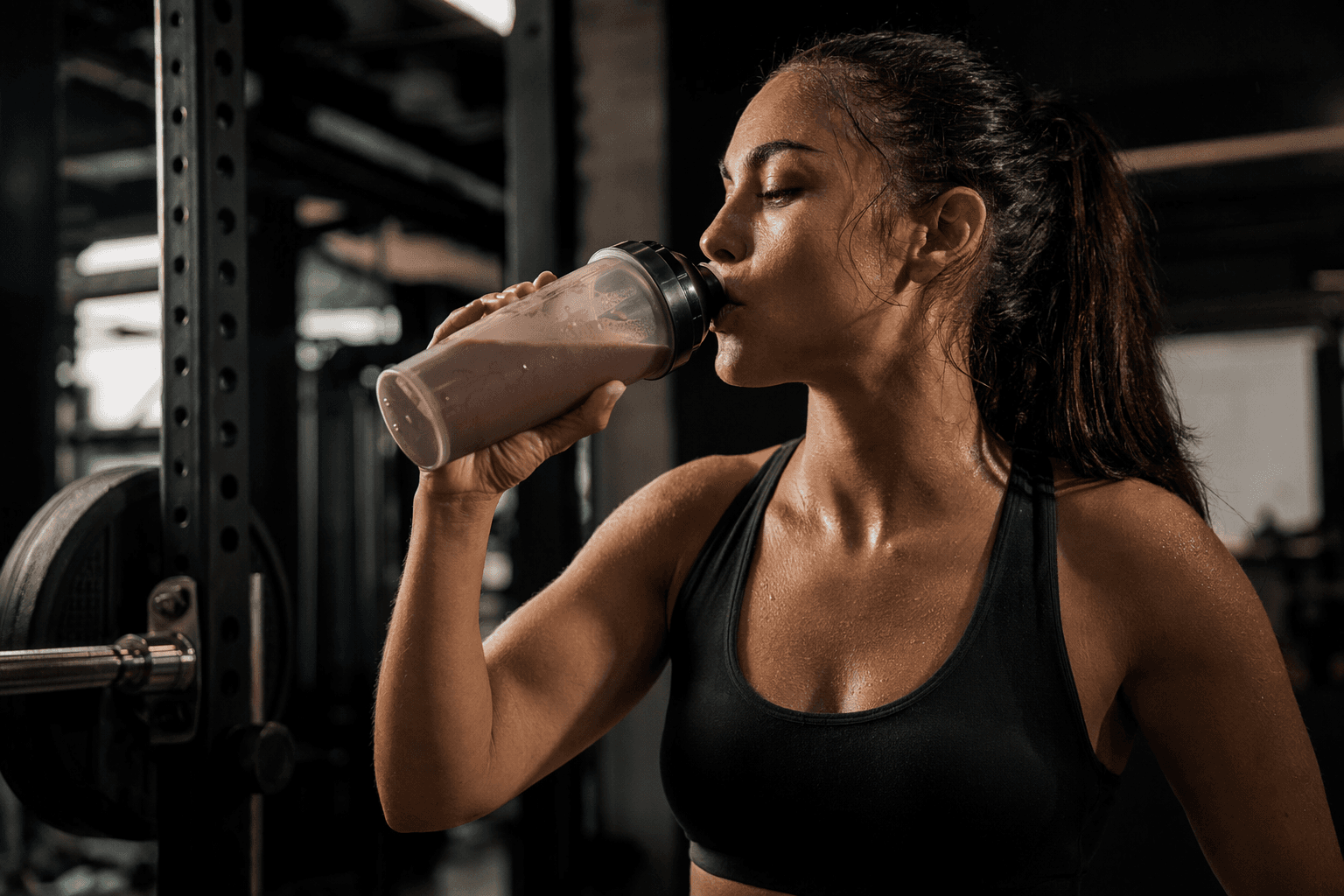
Whey is being sold as a formulation solution, not a commodity
The language around whey has changed. Instead of talking only about protein content or basic enrichment, suppliers are now talking about how the ingredient behaves in the finished product. That means solubility in beverages, texture in bars, and the kind of mouthfeel that keeps a drink from feeling thick, dusty, or cloying.
Fiona Rawlinson, head of marketing for Nutrition at Carbery, and Chris Whiting, business development manager for Nutrition at Synergy Flavours, framed their collaboration around creating high-protein, consumer-friendly ingredients that work in daily-use products. That distinction is important. A protein ingredient can be technically impressive and still fail if it makes a smoothie gritty or a bar feel like a dry brick. The commercial upside now sits with suppliers that help brands fix those flaws before the product reaches the shelf.
Carbery’s whey portfolio gives it a technical base for that pitch, while Synergy brings the flavor and concept work that turns protein into something more approachable. Together, they are speaking the language brands need right now: performance, sensory balance, and convenience.
The product formats tell the real story
Synergy said its Vitafoods showcase would center on protein-forward concepts that feel closer to mainstream food and drink than to lab-built nutrition. The lineup included high-protein smoothies and coffees, functional bars, gut-friendly sodas, and nutrient-dense desserts. That mix says a lot about where protein is going. It is not confined to chalky shakes or heavy snack bars anymore; it is being pushed into lighter, more varied, more habitual formats.
Synergy also said its 2026 messaging targeted healthy ageing, energy, women’s health, and GLP-1 lifestyles. That last one is especially telling. Consumers eating smaller portions because of GLP-1-related shifts still need nutrient-dense foods and drinks, but they want those nutrients delivered in smaller volumes and in more pleasant formats. In that environment, satiety, smooth mouthfeel, and easy consumption become as important as raw protein numbers.
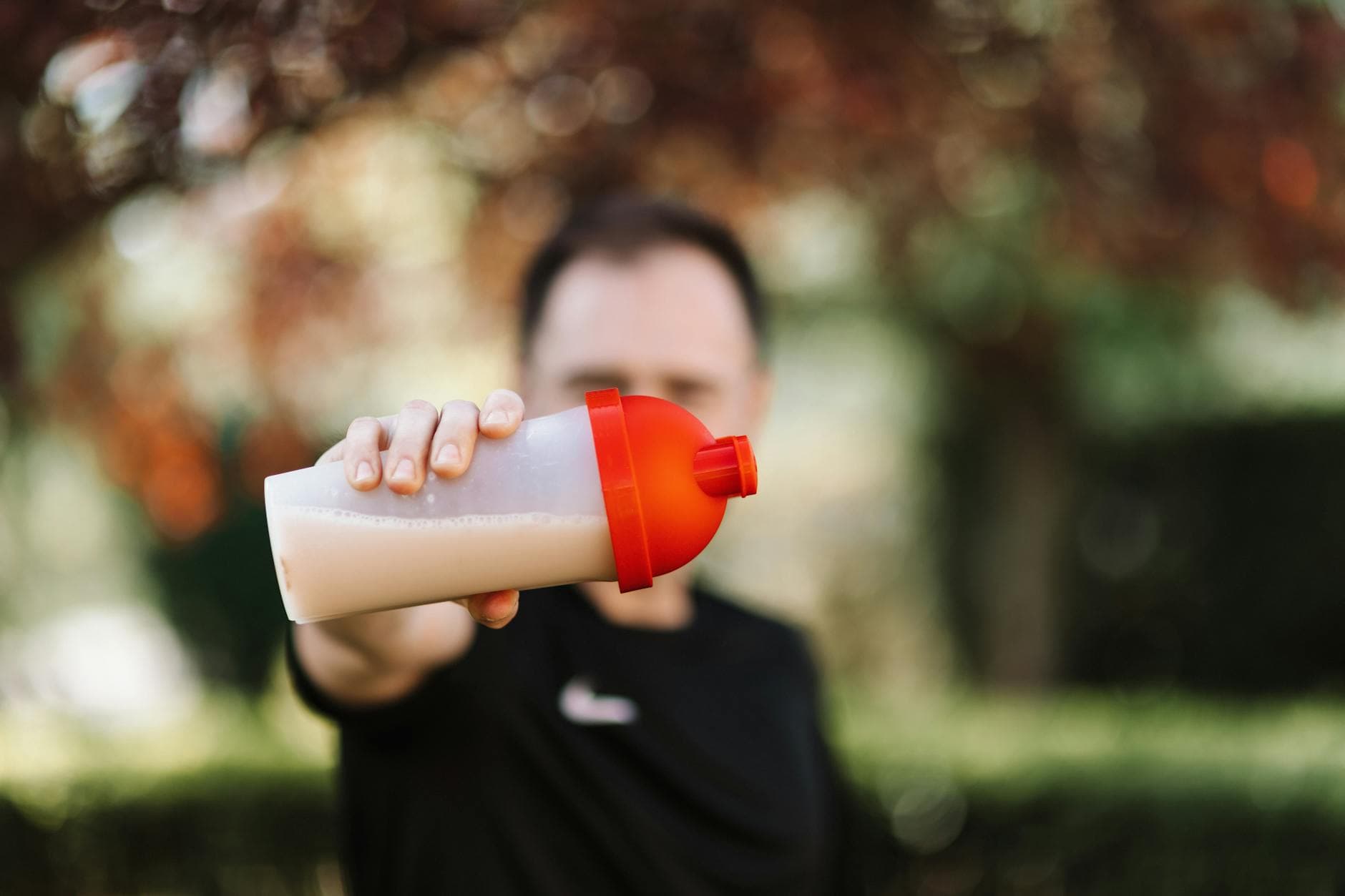
That is why beverages have become such a revealing test case. A protein drink has to feel refreshing and light if it wants broad appeal. If it lands as thick or heavy, it starts fighting the very occasions it is supposed to win. The same logic now applies to bars and dessert-style products, where protein has to disappear into the experience instead of dominating it.
Why the market is rewarding sensory problem-solvers
The wider market backdrop makes this push even more relevant. A Food and Drink Technology report on Synergy’s Vitafoods plans said nearly 60 per cent of global consumers are actively seeking to increase protein intake for holistic health. That is a strong demand signal, but it also raises expectations. Once protein becomes a base expectation, brands can no longer rely on the novelty of enrichment to carry the product.
That is where suppliers reposition themselves from ingredient vendors to problem-solvers. The winners will be the companies that help manufacturers close the gap between nutritional functionality and mainstream eating experience. In practice, that means better taste modulation, better texture engineering, and more disciplined formulation around how a product is meant to be consumed.
Vitafoods Europe 2026 amplified that message by placing Carbery and Synergy alongside broader conversations about fava bean protein, GLP-1 trends, nutrient-dense dairy, and functional food convergence. The industry is converging on the same conclusion from different angles: protein innovation is no longer judged only by quantity. It is judged by whether the product feels good enough to become part of daily life.
Carbery and Synergy’s joint message fits that shift cleanly. Protein is still the headline. Taste and texture are now the reason it gets purchased twice.
This article was produced by Prism’s automated news system from verified source data, official records, and press releases, then run through automated quality and moderation checks before publishing. The system is built and supervised by the people who set the standards it runs under. Read our full AI policy.
Did this article answer your question?