Pentasweet starts building Europe’s first brazzein sweetener plant in Vilnius
Pentasweet broke ground in Vilnius on Europe’s first dedicated brazzein plant, a €65 million bet on sweet protein production at industrial scale.
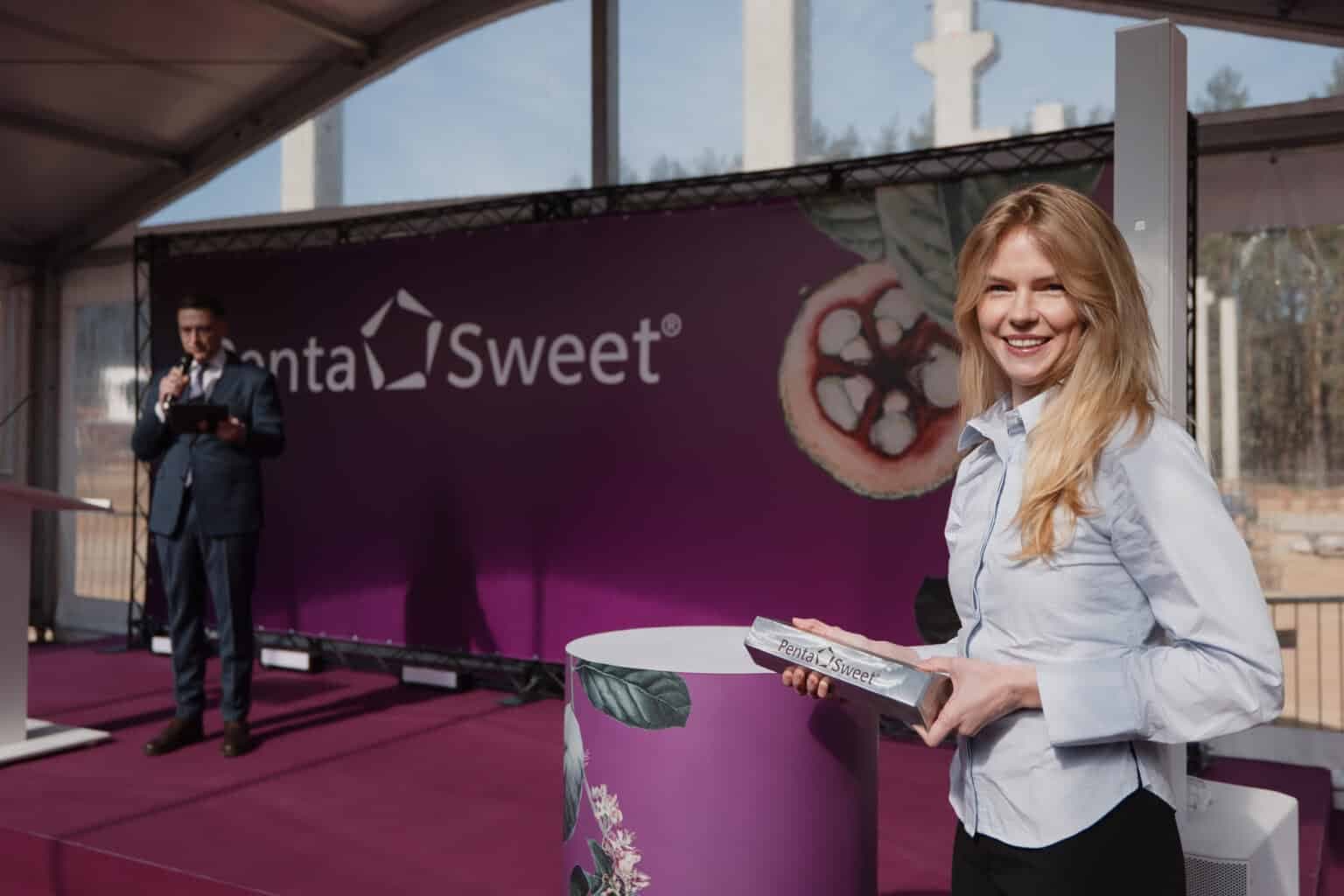
Pentasweet has started building a facility in Vilnius that it says will become Europe’s first dedicated production center for brazzein, a sweet protein aimed at sugar reduction rather than muscle building. The company signed the civil construction agreement and broke ground on March 3, then marked the next stage of the build with a symbolic foundation milestone and capsule ceremony at the Vilnius City Innovation Industrial Park.
The project gives a physical address to one of food technology’s more unusual ingredients. Brazzein is a naturally occurring sweet protein found in the West African Oubli fruit and is described as about 1,500 times sweeter than sugar. That makes it especially relevant for beverage, confectionery, bakery and dairy-alternative formulators looking for ways to cut sugar while keeping sweetness high and labels cleaner.
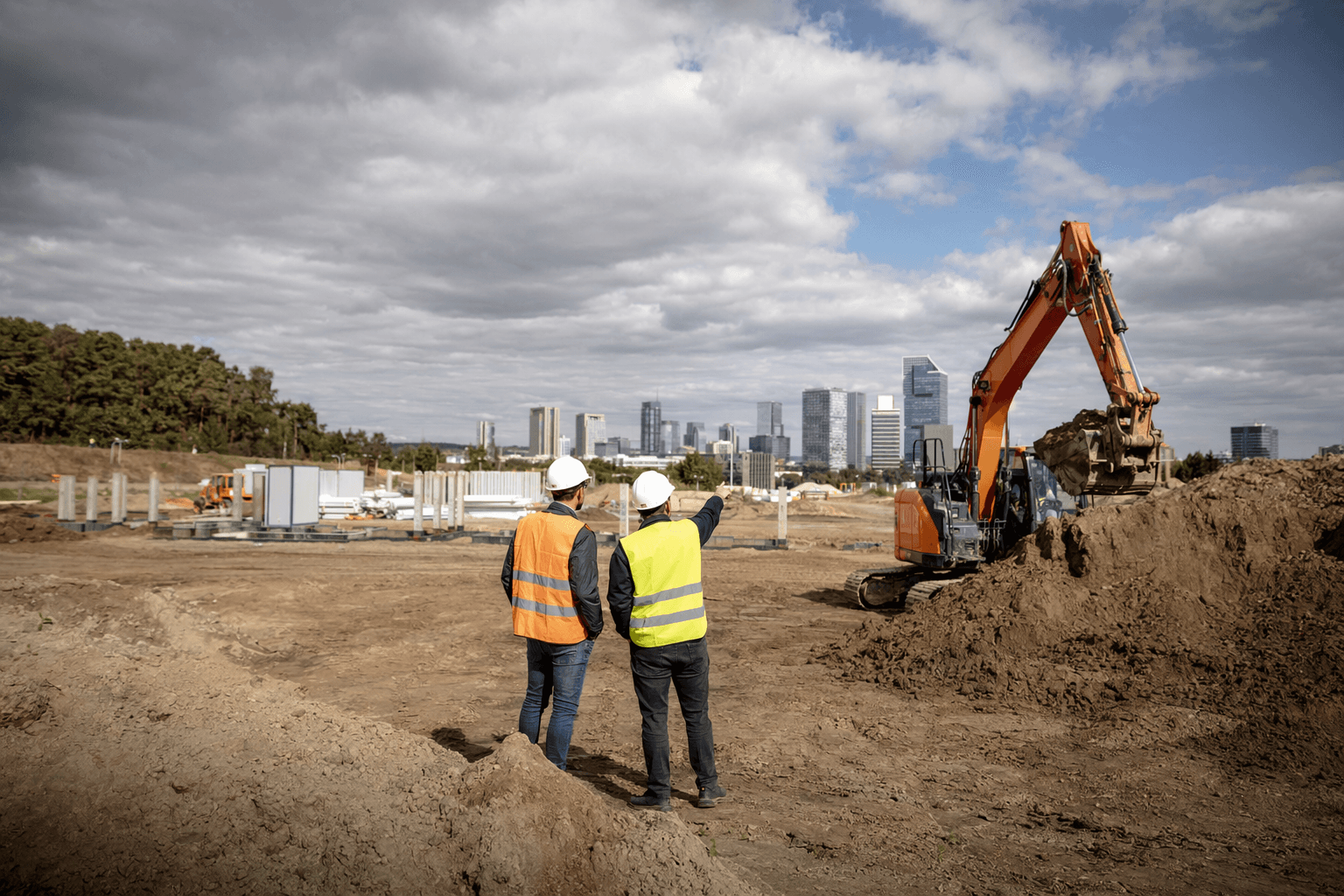
Pentasweet’s plan is substantial by any measure. The facility will cover more than 8,000 square meters on a 1.2-hectare site and represents a €65 million investment. The company expects operations to begin in the first half of 2027, a timeline that moves brazzein from laboratory promise and pilot R&D into full industrial production. Pentasweet says precision fermentation will eliminate the need for wild fruit sourcing and allow the ingredient to be produced more resource-efficiently at commercial scale.
That shift matters because sweet proteins sit in a different lane from the protein products that usually dominate food innovation headlines. Brazzein is being positioned as a functional sweetener with a protein backbone, not as a nutrition supplement. For brands under pressure to reduce sugar, the ingredient could become a practical alternative to both artificial sweeteners and high-intensity non-nutritive substitutes, especially in products where taste, texture and clean-label positioning all have to work together.
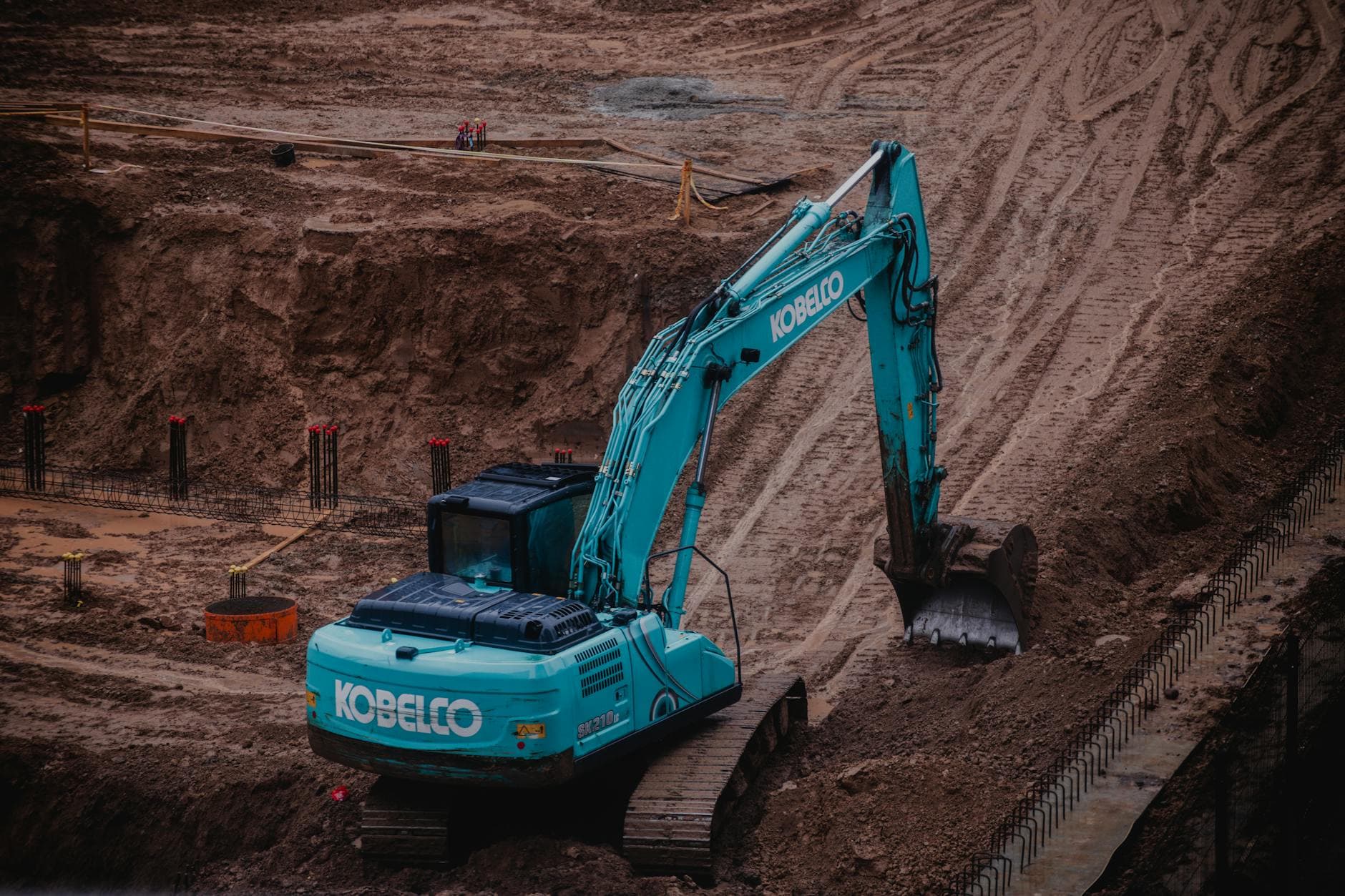
The Lithuanian angle is notable as well. Invest Lithuania and trade coverage have described the project as one of the largest biotechnology investments in the country in recent years, and Protein Production Technology said it has received major investment status in Lithuania. The build is expected to create around 30 highly skilled jobs across biotechnology, engineering and automation, adding industrial weight to a project that could also define a new manufacturing category for Europe’s food ingredients sector.
This article was produced by Prism’s automated news system from verified source data, official records, and press releases, then run through automated quality and moderation checks before publishing. The system is built and supervised by the people who set the standards it runs under. Read our full AI policy.
Did this article answer your question?