Plant proteins gain price edge over meat in Europe
In Germany and the UK, plant-based meat alternatives had flipped from premium to cheaper by 2025, turning protein price into a grocery value play.

Plant proteins have crossed a line in Europe’s biggest grocery aisles. In Germany, plant-based meat alternatives went from about €2.36 per kg more expensive than processed meat in 2019 to about €0.40 per kg cheaper by 2025. In the UK, the same switch happened, with plant-based meat alternatives ending up cheaper than processed meat on average. That matters because the old “plant-based tax” is no longer doing the work it once did: in parts of Europe, the price argument now favors tofu, pulses and meat substitutes instead of pushing them into the premium niche.
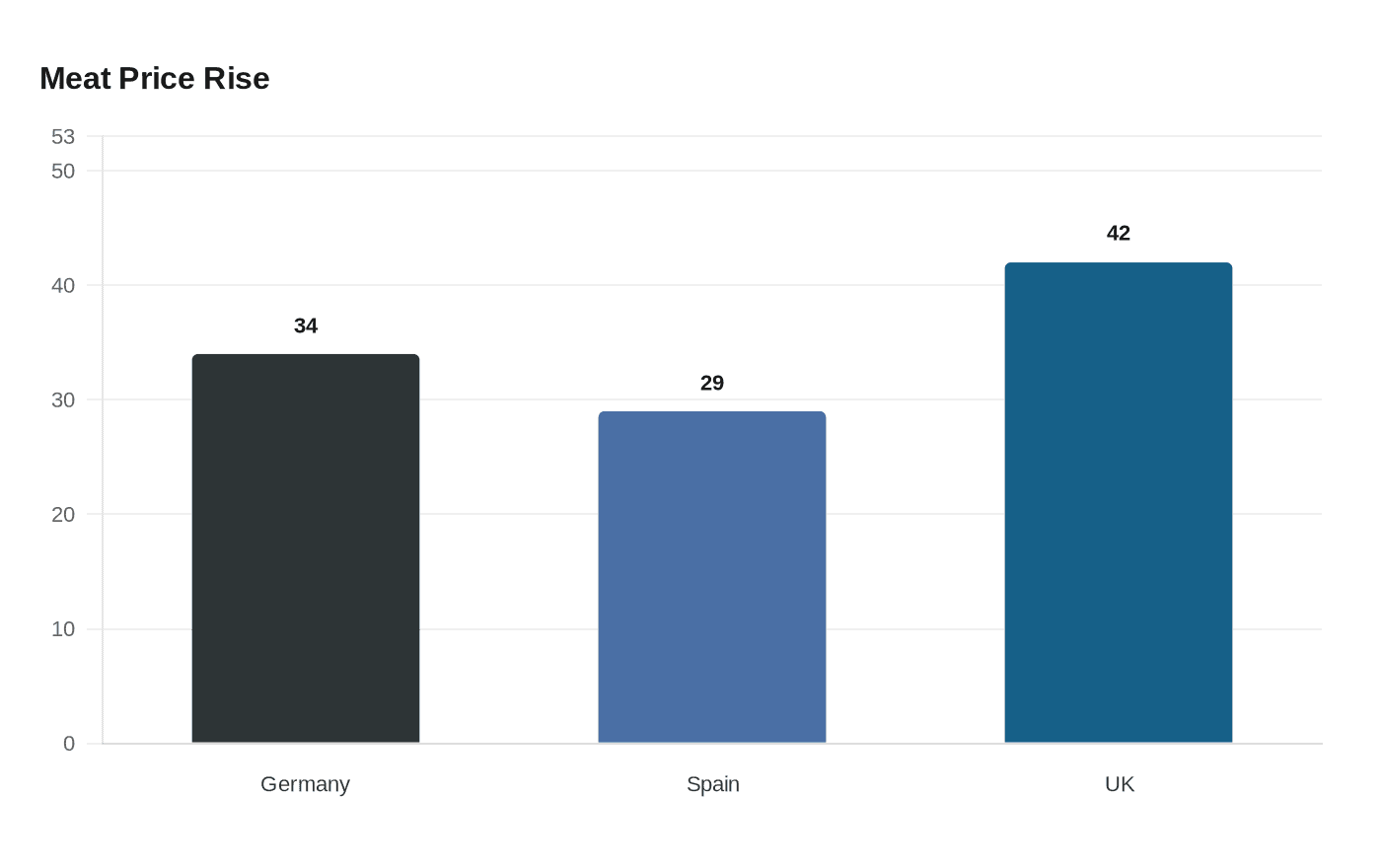
The shift is clearest in Germany and the UK, while Spain shows a narrower but still meaningful change. Madre Brava’s analysis, built on Euromonitor International data, found that meat prices climbed 34% in Germany, 29% in Spain and 42% in the UK between 2019 and 2025. Beef was especially punishing in Britain, where prices rose by as much as 56% since 2019. That is the kind of spread that changes shopping behavior fast, especially when the cheaper option is no longer a processed meat special, but a plant-based one sitting on the same shelf.
The category details matter. Madre Brava reported that the gap between shelf-stable beans and beef in the UK widened from £6.78 per kg in 2020 to £10.54 per kg in 2025. Fresh pulses versus beef widened too, from £5.64 to £9.44 per kg over the same period. That puts basic plant proteins in a very different position from the early wave of plant-based products, which often leaned on a sustainability pitch while struggling to justify their price. Now the value case is harder to ignore, especially for retailers building own-label ranges and foodservice operators looking for lower-cost protein in everyday meals.
Nico Muzi, whose organization has framed plant proteins as a buffer against meat price inflation, says the pressure on meat is not just a temporary spike. Madre Brava points to climate change, wars and declining livestock numbers as a “new normal” for meat pricing. That framing fits the numbers: if meat keeps rising faster than plant proteins, the comparison stops being about novelty versus tradition and starts being about household economics.
For brands, that is the real crossover. Plant-based proteins can compete on price in a way that was not true a few years ago, especially in processed and blended products where performance is already strong. For shoppers, it means the cheapest protein on the shelf is increasingly the one that used to be sold as an alternative. In Europe’s current food-price environment, that is not a side note. It is the market signal.
This article was produced by Prism’s automated news system from verified source data, official records, and press releases, then run through automated quality and moderation checks before publishing. The system is built and supervised by the people who set the standards it runs under. Read our full AI policy.
Did this article answer your question?