Prima expands ancestral protein bars into nearly 500 Kroger stores
Prima entered nearly 500 Kroger stores after claiming the top protein bar spot at Sprouts, a sharp test of whether its beef-tallow pitch can travel beyond natural retail.

Prima entered nearly 500 Kroger stores nationwide on July 13, extending a protein bar that the company says has become the number one selling SKU in Sprouts Farmers Market. The move turns a niche, ingredient-first brand into a much broader grocery test, with Kroger now serving as the stage for whether an ancestral protein message can work at conventional scale.
The company has built its identity around being the first ancestral protein bar, a label that puts beef tallow at the center of the story instead of whey-only formulation or fiber-heavy positioning. Prima says its bars deliver 21 grams of grass-fed animal protein and use ingredients including beef tallow, grass-fed collagen, grass-fed whey, raw honey and egg yolk, while avoiding seed oils, artificial sweeteners and emulsifiers. That mix is built for shoppers already trained to read the back panel, which makes Kroger a different kind of proving ground than a natural channel audience.
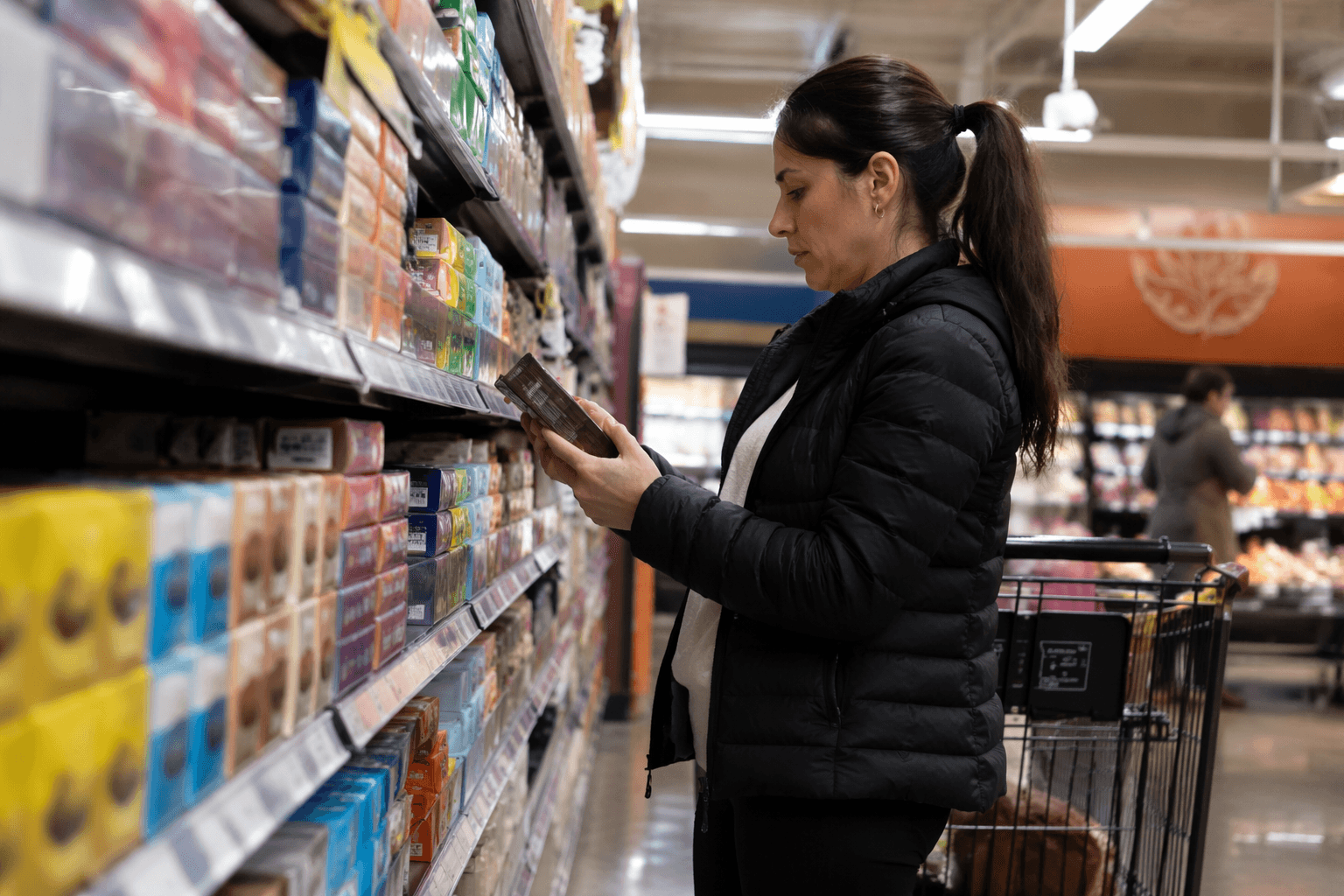
Prima’s retail runway started in April 2025 at Sprouts Farmers Market, and by March 10, 2026 the company said it had reached 481 Sprouts doors. Prima says it was founded in 2023, and public coverage has identified co-founder and CEO Dominick DeLegge as the face of the business. The brand’s current lineup includes Mint Chip, Cookie Dough, Mocha, Cacao and Salted Caramel, and a reformulated version debuted in July 2026 with increased protein and improved texture.
That Kroger expansion also lands in a retailer that has been signaling exactly the kind of shopper Prima is trying to win. In January 2026, Kroger said its customers were looking for bold flavors, functional ingredients and culinary creativity in its food trend predictions for the year. Prima’s bars sit squarely in that intersection, with a premium ingredient story that tries to feel closer to kitchen food than engineered fuel.
The bigger question is whether that story stays legible once it leaves early adopters and natural-food loyalists. Prima has been leaning into the growing skepticism around bars that look healthy on the front but read industrial on the label, and that message now faces a far larger, more conventional audience. The timing helps, too: in 2025, the FDA said it was partnering with NIH on a Nutrition Regulatory Science Program that includes studying ultra-processed foods, and later in the year FDA and USDA sought input on a uniform federal definition for ultra-processed foods. Prima is betting that pressure is no longer a liability in snack bars, but a selling point.
This article was produced by Prism’s automated news system from verified source data, official records, and press releases, then run through automated quality and moderation checks before publishing. The system is built and supervised by the people who set the standards it runs under. Read our full AI policy.
Did this article answer your question?