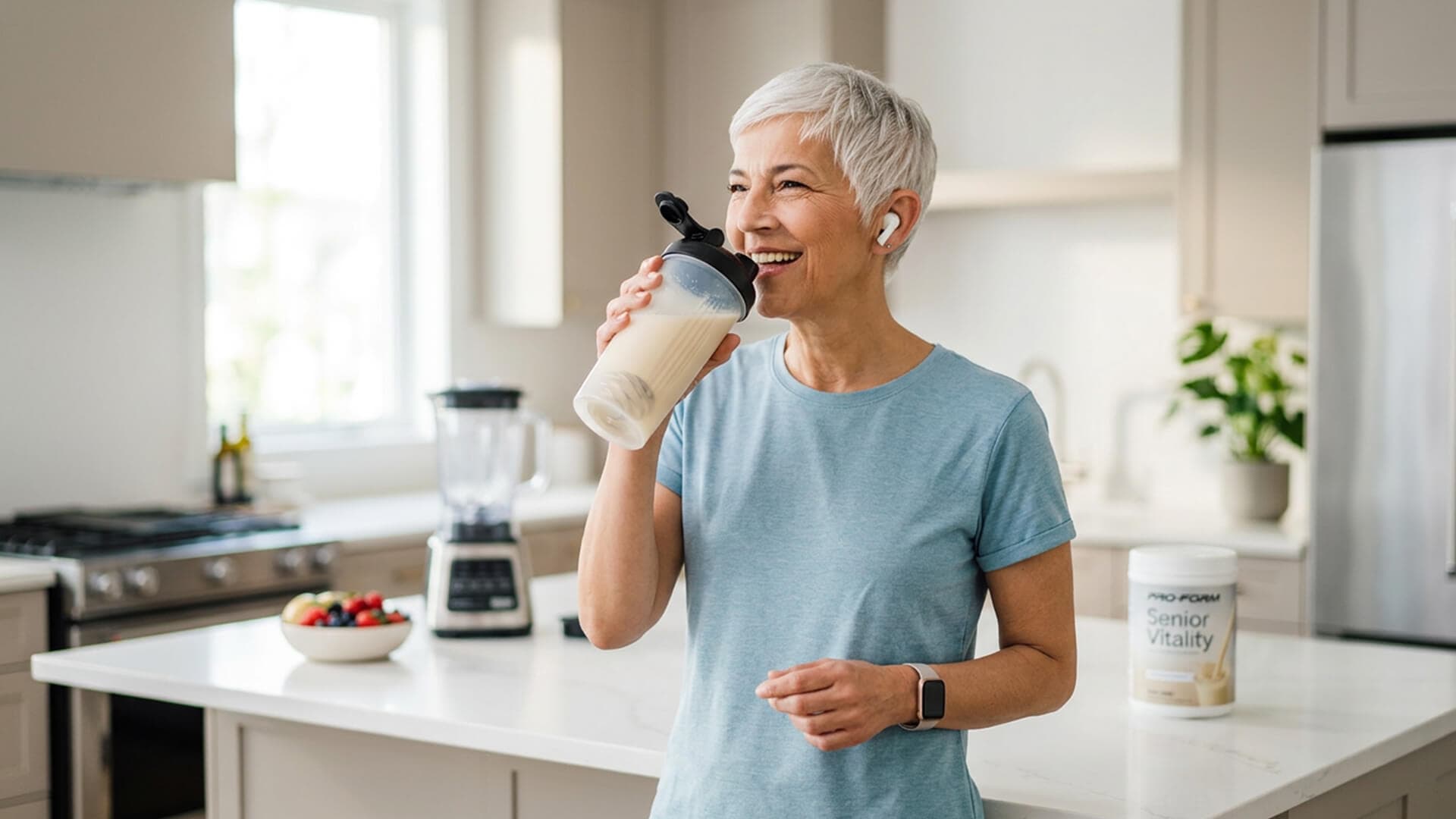
Protein becomes a practical play for GLP-1 food makers
GLP-1 shoppers are forcing food makers to treat protein like a design spec, not a claim. Smaller portions, better texture and denser nutrition are moving from nice-to-have to table stakes.

Protein is turning into one of the clearest product decisions in the GLP-1 era because it solves a very practical problem: people are eating less, but they still want food that feels satisfying. Circana says nearly a quarter of U.S. households are now using GLP-1s, and those households are projected to account for 35% of all food and beverage units sold at retail by 2030. That kind of demand changes the brief for manufacturers fast. The winning products are not the biggest or the loudest, but the ones that deliver more nutrition, more satiety and more enjoyment in less space.
Protein is the easiest lever to pull
The core design challenge for GLP-1 users is simple: smaller appetites create less room for wasted calories. That is why protein and fiber keep rising to the top of the formulation conversation, while foods high in carbohydrates and sugar are sliding the other way. Circana says GLP-1 households are actively seeking products higher in protein, fiber and healthy fats, which tells brands exactly where the pressure is building inside the basket.
Rachel Royster of CSSI/Connections puts the consumer side of that shift in plain language. These shoppers still want quality and taste, and they are often looking for little cheats, like being able to eat bread again after steering away from carbohydrates on other diets. That is an important signal for product developers: the answer is not to build a medical snack that behaves like a pill. It is to make familiar foods feel more useful.
That is why protein is emerging as such a practical play. In a market where appetite is reduced, protein density matters more than ever. A product that carries meaningful protein in a smaller portion has a better chance of feeling worth it, especially when the consumer is deciding whether to spend limited appetite on a snack, a meal or nothing at all.
The GLP-1 household is already reshaping retail demand
The numbers behind the category are moving quickly. Circana reported that new GLP-1 prescriptions increased by 2.9 million from September 2024 to September 2025, a 16% lift. That growth helps explain why nearly a quarter of U.S. households are now using these medications and why manufacturers are treating the audience as more than a niche.
What makes the shift especially meaningful is that it is not just about medication use, it is about buying behavior. Circana’s broader research points to a clear preference for foods that can help fill nutritional gaps without asking the consumer to eat more volume. Protein, fiber and healthy fats are the sweet spot; refined carbs and sugar are losing ground. For food makers, that means the old playbook of portioning down a familiar product is not enough on its own. The product still has to pull its weight nutritionally.
There is also a simple commercial consequence here. If GLP-1 households are headed toward 35% of all retail food and beverage units by 2030, then protein is not a side trend. It is becoming a mainstream line item in assortment, reformulation and innovation planning.
Doritos Protein shows how brands are responding
PepsiCo’s Doritos Protein is one of the clearest examples of how big brands are trying to meet that demand without stripping away the reason people buy the product in the first place. PepsiCo announced the item on February 26, 2026, with a March 2026 launch planned for a one-ounce serving that delivers 10 grams of protein. A later single-serve bag with 17 grams of protein is also slated for later in 2026.
That product structure matters. The brand is not trying to turn Doritos into a wellness bar or a diet chip. PepsiCo is keeping the bold flavor and crunch that define the brand while adding protein in a way that feels approachable rather than medicinal. The formulation uses casein as the primary protein source, with whey ingredients also included, which is a reminder that protein choice is now a texture and sensory decision as much as a nutrition one.
PepsiCo’s own survey data reinforces why the company is leaning into the category. It found that 86% of Americans are actively adding protein to their diet, 70% want salty snacks to have protein, and more than half prioritize protein during snacking occasions. That is a useful read on the market: consumers do not want protein hidden in foods they tolerate. They want it in foods they already like.
Texture and portion size are now part of the nutrition strategy
Amanda Bromfield of ADM points to one of the most promising product zones for this shift: grain-based snacks such as puffs, curls, sticks and crisps. Those formats can absorb added protein without losing the texture and flavor that make them craveable in the first place. That is not a small formulation advantage. In a GLP-1 market, the snack has to do three jobs at once: taste good, feel satisfying and deliver enough protein to matter.
This is where portion size becomes a product design issue, not just a packaging decision. Smaller servings are easier to finish when appetite is down, but they also have to feel complete. That favors products with high protein density and strong sensory payoff, especially salty, crunchy snacks that can scratch the craving for something familiar without asking the consumer to overeat.
ADM’s GLP-1 materials also frame the category as an opening for product line extensions and new introductions. That makes sense because the category does not only need brand-new concepts. It also needs better versions of things people already know how to buy. Protein-fortified snacks, breakfast items and other familiar formats are likely to have an easier time than products that look or taste like a supplement.
Why the medical guidance matters to food makers
The nutritional case for these products is getting stronger because the clinical guidance is pointing in the same direction. A 2025 joint advisory from the American College of Lifestyle Medicine, the American Society for Nutrition, The Obesity Society and the Obesity Medicine Association says nutrition support is essential for people using GLP-1 therapy. That matters because these drugs can suppress appetite enough to make it harder to meet basic nutritional needs.
Guidance in JAMA says people using GLP-1 medications should start each meal with 20 to 30 grams of protein and, if they are moderately active, aim for 1.0 to 1.5 grams of protein per kilogram of body weight per day. That is a strong signal for product makers: if a meal or snack can help a consumer make real progress toward those targets in a smaller serving, it has a built-in advantage.
Recent studies have sharpened the concern. A 2025 cross-sectional study of adults using GLP-1 receptor agonists found diet quality and nutrient timing were important areas of concern during treatment. A 2025 retrospective observational study found GLP-1 receptor agonist use can be associated with nutritional deficiencies and loss of muscle. In other words, this is not just a preference shift. It is a nutritional challenge.
Protein is now doing more than serving the gym crowd. In the GLP-1 era, it is becoming the most practical way to make smaller portions feel complete, keep texture appealing and help consumers get closer to the nutrition they still need. The brands that understand that distinction will be the ones that build products people actually keep buying.
This article was produced by Prism’s automated news system from verified source data, official records, and press releases, then run through automated quality and moderation checks before publishing. The system is built and supervised by the people who set the standards it runs under. Read our full AI policy.
Did this article answer your question?