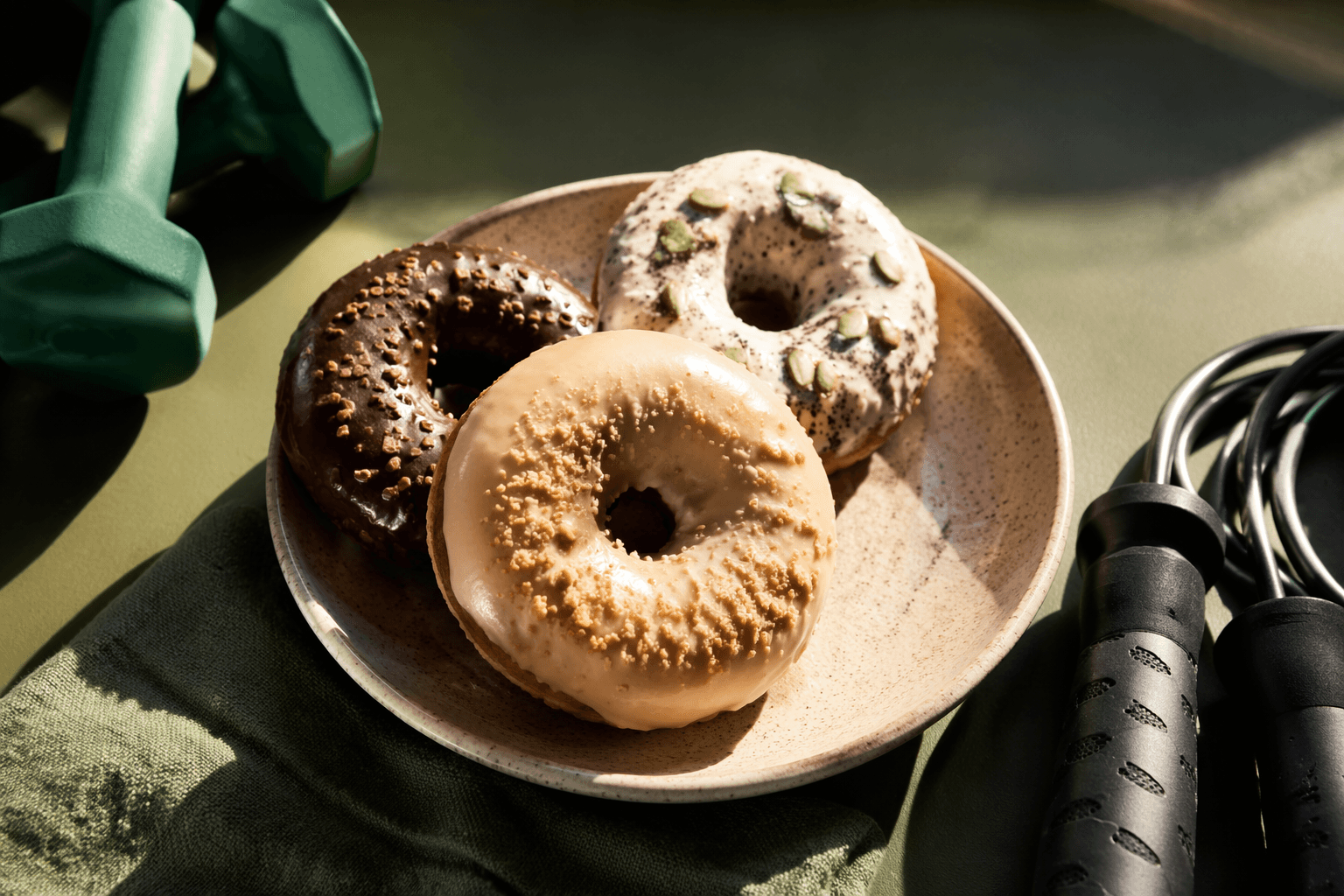
Protein donuts signal snacking's shift toward nutrition and sustainability
Protein donuts are the clearest sign yet that snacks are being rebuilt around function, nostalgia and shelf appeal at the same time.

Snacking’s new middle ground
Protein donuts captured the mood on the Sweets & Snacks Expo floor because they do something the category has been inching toward for years: they make a treat look fun while quietly promising more nutrition. That matters in a market where the old split between indulgent and better-for-you is fading, and where buyers increasingly want snacks that feel justified on taste, function and ingredient story all at once.
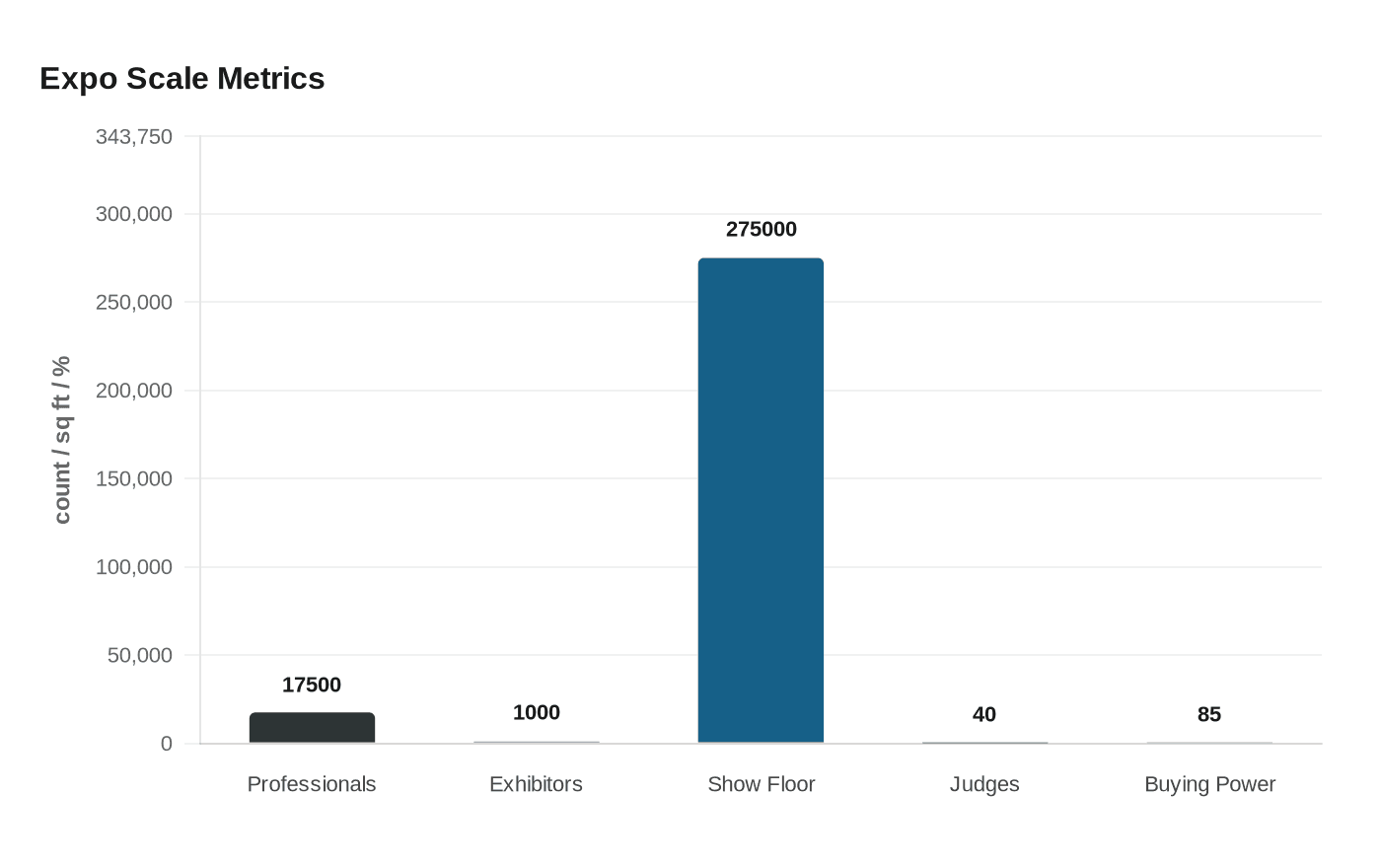
The 2026 Sweets & Snacks Expo gave that shift a bigger stage than ever. For the first time, the show landed in Las Vegas, ran May 19-21 at the Las Vegas Convention Center, and expected 17,500 industry professionals alongside 1,000 exhibitors from around the world across a 275,000-square-foot show floor. The broader week also included a Supplier Showcase on May 18 and 19, which only reinforced how much business is now being done around snack innovation, not just sampled for spectacle.
Why protein is no longer a niche claim
Protein is not showing up in snacks as a bolt-on gimmick anymore. Food Dive reported that 70% of Americans said they want more protein in their diets, up from 59% four years earlier, and that rising GLP-1 use is adding to the pressure because many consumers are eating less and looking for nutritional gaps to be filled. ADM said in April 2026 that protein is one of the key drivers of reformulation, and that two-thirds of consumers are looking to increase intake.
That helps explain why protein donuts resonate. They are familiar enough to feel like a treat, but they also signal that functional nutrition is moving into formats that used to be reserved for pure indulgence. The same logic is visible in protein showing up in mainstream foods like Pop-Tarts, Kraft Mac & Cheese and Doritos. When those kinds of household names start leaning into protein, the message is clear: the category is no longer treating it as a specialty channel or a gym-adjacent benefit.
There is also real commercial pressure behind the trend. Food Dive reported in May 2026 that whey protein concentrate shortages were pushing standard whey powder prices up more than 50% since January. That creates a practical headache for brands, because the protein story only works if the formula still tastes good, costs can be managed and the final product survives a crowded shelf.
What the expo said about where the category is headed
The Sweets & Snacks Expo trend preview pointed to “newstalgia,” adventurous combinations and products “made for the moment” as the forces shaping 2026. That mix says a lot about the current snack buyer: they still want comfort, but they want it remixed, and they want a reason to believe the product is doing something beyond delivering sugar or salt.
The expo’s Most Innovative New Product Awards also show how seriously the industry is treating that balancing act. The program expanded to 12 categories and added new Trailblazer and Powerhouse honors. Nearly 500 products were entered, and more than 40 judges from leading retailers and distributors evaluated the submissions, representing nearly 85 percent of U.S. confectionery and snack industry buying power. That is not a novelty contest in the throwaway sense. It is a filter for what retailers think can actually move.
The cleanest read from the awards structure is that brands are being rewarded for more than one kind of innovation at once. Flavor still matters, but form-factor reinvention and a convincing nutrition story matter too. When the judging pool has that kind of reach, the products that survive are usually the ones that can credibly live beyond the booth.
Which launches look durable, and which ones look like booth theater
The most durable signals are the products that convert a familiar format into a functional one without breaking the consumer’s mental model. Protein donuts fit there. So do protein-forward versions of pantry staples and mainstream snack brands, because they suggest lasting reformulation rather than a one-off stunt.
What tends to read as expo-floor theater is the opposite: a product that leans hard on novelty or flavor extremes without a clear reason to exist outside the show floor. The expo’s “adventurous combinations” language makes that tension obvious. Some products will earn attention because they sound wild. The ones that stick will be the ones that pair that surprise with a believable benefit, whether that is protein, cleaner positioning or a more thoughtful ingredient story.
The 2026 show also matters because it followed a 2025 Sweets & Snacks Expo in Indianapolis that drew more than 14,500 people. That jump in scale, plus the move to Las Vegas, underscores how much momentum the category has built. The market is not just looking for candy that tastes good or snacks that are virtuous. It is looking for products that can do both without looking engineered.
What this means for snack design now
The bigger lesson from the expo is that protein is becoming a design principle, not a claim slapped on at the end. Once a product like a donut, a cereal bar or a savory snack can credibly carry protein and still feel craveable, the old either-or logic starts to fall apart. Sustainability sits in the same conversation now because shoppers want snacks they can justify in more than one way: better nutrition, more intentional sourcing, and less of the guilt that used to define “treat” foods.
For brands, that creates a harder brief. The product has to taste good first, but it also has to solve a functional problem, survive a pricing squeeze and look fresh enough to earn attention in a crowded aisle. That is why protein donuts matter so much. They are not just a cute twist on dessert. They are a sign that the snack aisle is being rebuilt around hybrid products, where pleasure, usefulness and, increasingly, responsibility are expected to coexist in the same package.
This article was produced by Prism’s automated news system from verified source data, official records, and press releases, then run through automated quality and moderation checks before publishing. The system is built and supervised by the people who set the standards it runs under. Read our full AI policy.
Did this article answer your question?