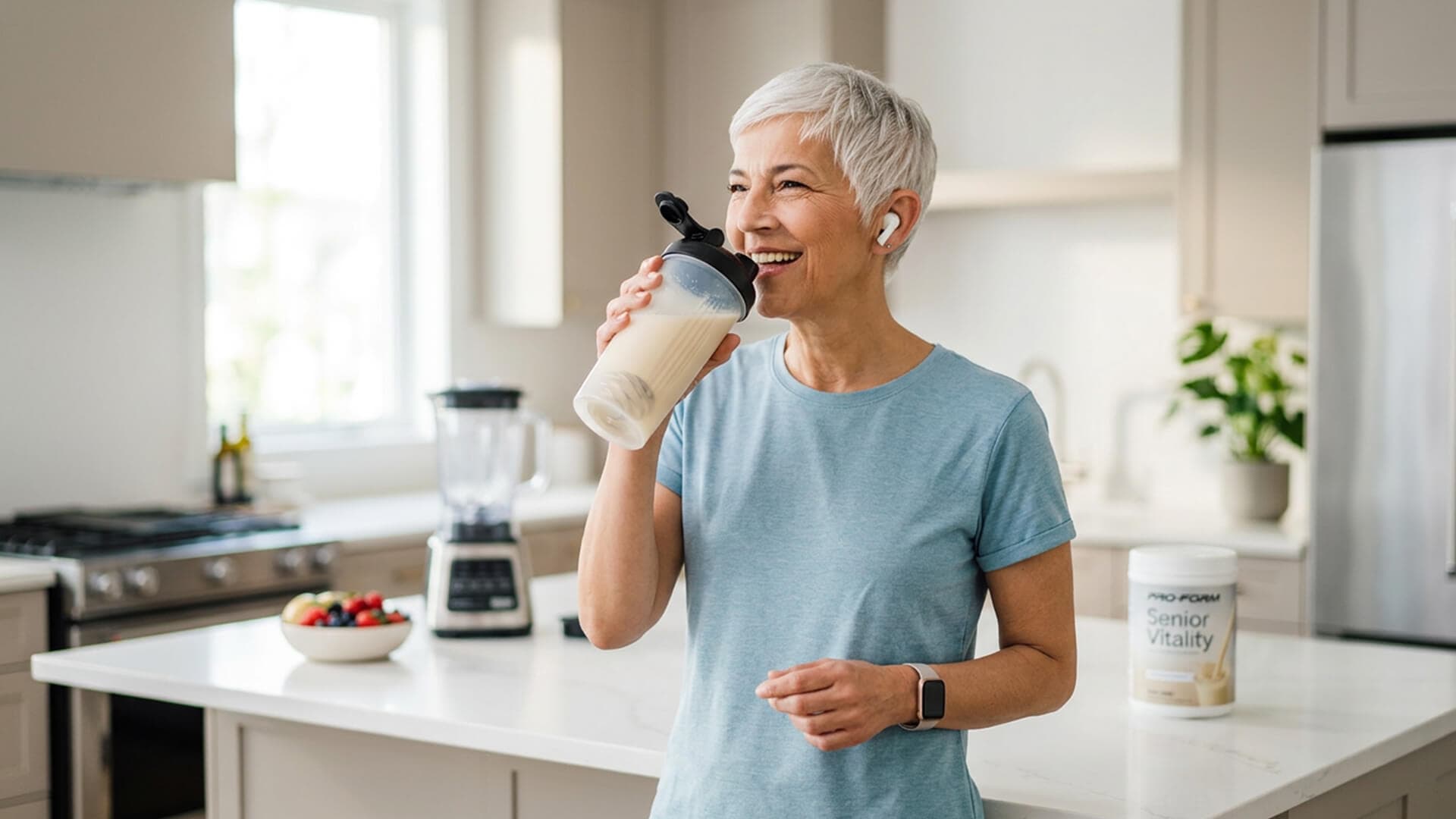
Protein powders emerge as key support for GLP-1 users
Protein powder is the clearest GLP-1 support play: it helps protect lean mass, while the rest of the category still blurs medication support with GLP-1 boosting claims.
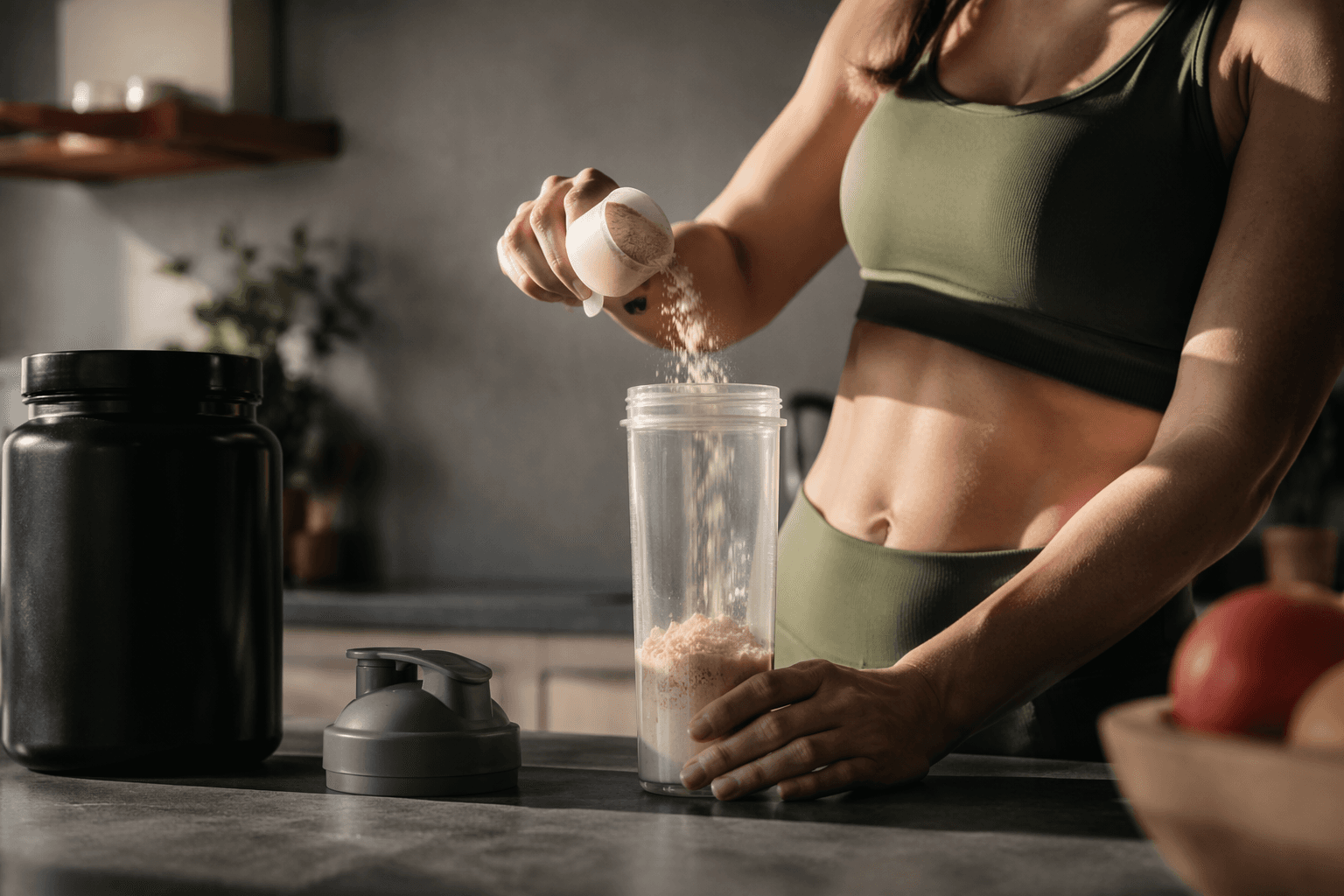
Protein powders are moving from gym-shelf afterthought to one of the most defensible products in the GLP-1 support aisle. The reason is simple: people eating less on semaglutide or tirzepatide need help holding on to lean mass, and not every product that hangs a GLP-1 label on the front is solving that problem honestly.
Two markets hiding under one label
The GLP-1 support category has split into two very different businesses. One is built around people already taking semaglutide or tirzepatide, with protein powders, multivitamins, and probiotics positioned as nutritional support for smaller meals, micronutrient gaps, and digestive side effects. The other is built around bioactives that claim to stimulate the body’s own GLP-1 production or secretion.
That distinction matters because those products are not interchangeable. A protein powder designed to help someone hit daily intake targets after appetite suppression is doing a different job from a botanical or bioactive marketed as a GLP-1 secretagogue. The market gets messy when brands blur those claims, because one sits in the world of nutritional support and the other is leaning on a very different mechanism.
Why protein is the practical anchor
Protein sits at the center of the adjunct side of this category because GLP-1 drugs change the way people eat. When appetite drops and total food intake falls, lean mass becomes vulnerable, and protein is the first macronutrient brands need to think about carefully. Smaller meals also make nutrient density more important, since reduced caloric intake can bring dehydration and undernutrition concerns along with it.
That is why protein powders are more than fitness products here. In a GLP-1 context, they become a way to make a reduced intake pattern less punishing from a nutrition standpoint. The strongest products are not trying to be everything at once. They are built to deliver protein efficiently, mix easily, and fit into a day where meals are smaller, more spaced out, and sometimes harder to finish.
The clinical advisory released on May 30, 2025 by the American College of Lifestyle Medicine, the American Society for Nutrition, the Obesity Medicine Association, and The Obesity Society makes that logic hard to ignore. The advisory says GLP-1 therapies in obesity trials have produced average placebo-adjusted weight reductions of 5% to 18%, but it also flags gastrointestinal side effects, micronutrient deficiencies, muscle and bone loss, poor long-term adherence, and weight regain as real concerns. Its nutritional priorities are plain: adequate protein intake and strength training to preserve lean mass.
The numbers are pushing protein into the conversation
The American Diabetes Association sharpened the picture on June 23, 2025, saying the number of Americans on incretin-based therapies has increased by 587% in the last five years. That is not a niche consumer trend anymore. It is a large and fast-growing population with very similar nutritional pressure points, and protein is one of the few intervention levers that can be deployed quickly, repeatedly, and in a form people already understand.
The ADA also said lean body mass can account for up to 15% to 40% of total weight loss from GLP-1 therapies. That is exactly where protein powders start to look less like a nice-to-have and more like a practical support tool. If a drug is helping drive weight loss but a meaningful share of that loss can come from lean tissue, then protein intake stops being a side note and becomes part of the main workflow.
That workflow is moving into formal study. A 2026 BMJ Open randomized trial at Dasman Diabetes Institute will enroll 232 adults with obesity and test whether resistance exercise and/or protein supplementation can preserve lean mass and improve physical function alongside semaglutide or tirzepatide therapy. The study uses a 1:1:1:1 randomization into control, resistance exercise, protein supplementation, or the combination of resistance exercise and protein. That design tells you where the field is headed: protein is no longer being treated as a vague wellness add-on, but as a measurable intervention.
The market is also getting a reset
Commercially, the GLP-1 ecosystem is shifting out of the chaos phase. On April 1, 2026, the U.S. Food and Drug Administration said tirzepatide injection shortage conditions had been resolved and that compounding policies were being adjusted accordingly. That matters because a shortage-driven market invites improvisation, while a more standardized market forces cleaner product positioning and less room for fuzzy claims.
The same is true on the safety side. Wegovy prescribing information now warns about serious gastrointestinal adverse reactions and acute kidney injury due to volume depletion. That does not turn a protein powder into a medical device, but it does reinforce why hydration, nutrient density, and tolerability sit so close together in GLP-1 support formulations. When people are eating less and sometimes struggling with nausea or GI upset, the best products are the ones that acknowledge the physiology instead of pretending the drug is just another weight-loss hack.
How to tell the useful products from the overreach
The cleanest way to sort this category is to ask one question: is the product supporting someone using a GLP-1 drug, or is it claiming to influence GLP-1 biology itself? If it is the first, protein makes immediate sense, along with targeted multivitamins or digestive support where the formulation is sensible. If it is the second, the claim needs to stand on a very different kind of evidence, and the marketing should not pretend the two are the same.
For protein brands, that creates a real opening. The opportunity is not in shouting the loudest about weight loss. It is in solving the boring but important problems that come with smaller meals: getting enough protein in fewer bites, preserving lean mass, supporting nutritional adequacy, and making the product easy to use every day. That is where protein powders earn their place in the GLP-1 era, and it is why the brands that stay specific will look a lot smarter than the ones trying to ride the halo of the category as a whole.
This article was produced by Prism’s automated news system from verified source data, official records, and press releases, then run through automated quality and moderation checks before publishing. The system is built and supervised by the people who set the standards it runs under. Read our full AI policy.
Did this article answer your question?