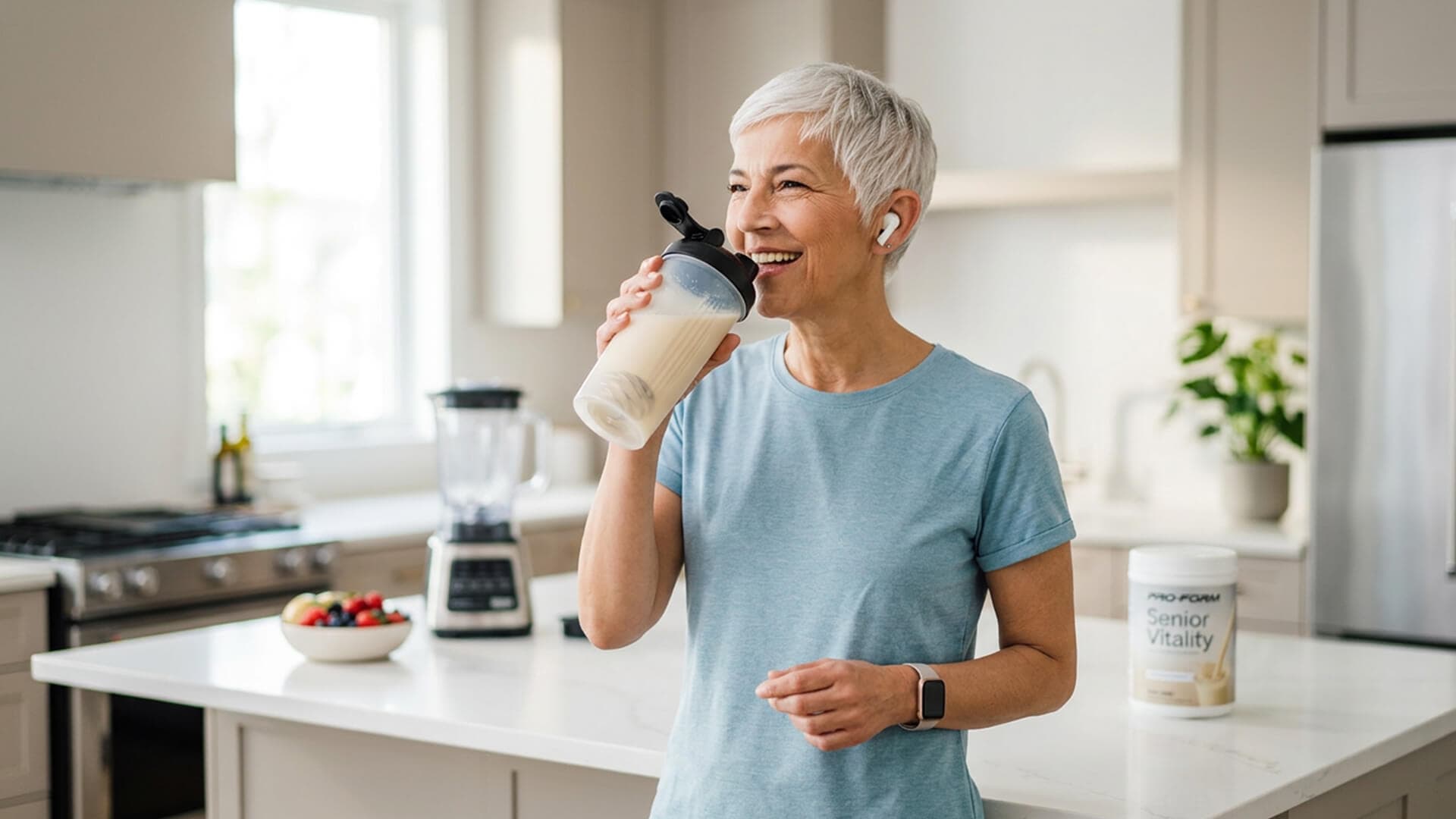
Protein snacks win by making indulgence feel functional
Protein is not replacing indulgence in snacks, it is giving chips, bars, and cookies a defensible story buyers can feel good about.
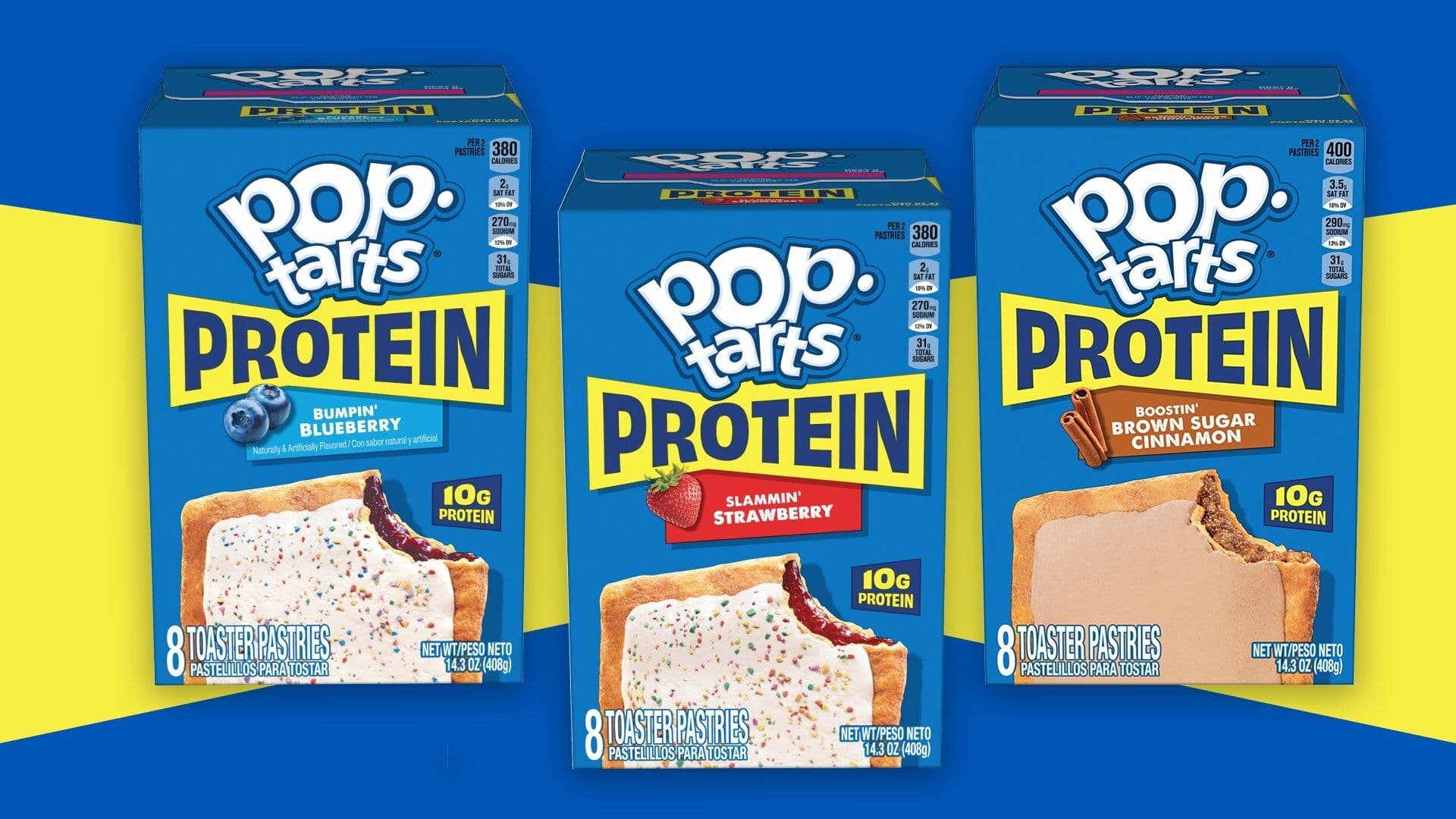
Protein snacks are winning because they make indulgence feel justified, not because consumers have stopped wanting treats. The formula is simple and brutally practical: keep the crunch, keep the sweetness, keep the convenience, then add enough protein to make the whole thing sound like a sensible choice.
The real job of protein is permission
The strongest signal in the functional-snack boom is not substitution, it is rationalization. An analysis from FoodNavigator-USA tied social search behavior and Spate data to a clear pattern: people are looking for snacks they can defend on functional grounds, whether that means protein, fiber, gut health, or energy. Protein sits at the center of that shift because it is one of the easiest cues to translate a treat into something that feels socially acceptable.
That is why the best-performing snacks in this lane are not trying to erase pleasure. They are trying to give pleasure a receipt. If a product tastes like a reward but carries enough protein to read as a smart decision, it solves the modern snacker's internal argument before the first bite.
Snacking is already the default occasion
This strategy works because snacking is no longer an occasional behavior. Mintel says 64% of U.S. adults snack at least once daily, and its 2025 snacking research says snacks still do not have one clean definition. Indulgence and meal-replacement both shape consumer behavior, which means the same product has to serve two masters at once.
That dual role explains the obsession with snacks that can do double duty. A bag of chips, a bar, or a cookie has to satisfy a craving and still look compatible with a health-minded routine. Functional cues do not replace indulgence in that world; they make indulgence easier to justify.
Protein is the cleanest halo in the market
The protein halo is already mainstream, which is why it carries so much weight in snack positioning. The International Food Information Council’s 2025 research found that a high-protein diet was the most common diet Americans followed in the past year, 1 in 3 Americans increased protein intake over the past year, and 8 in 10 prioritize protein during at least one eating occasion each day. In the same research, consumers said “good source of protein” was the top criterion for defining a healthy food.
That matters because protein is not just a wellness vibe. Under U.S. Food and Drug Administration labeling rules, “good source of protein” is a regulated nutrient-content claim, and it requires 10% to 19% of the Daily Value per serving. Once a snack clears that threshold, the claim can do real work on the package, turning a commodity snack into something that feels more deliberate, more disciplined, and more defensible.
Where the strategy shows up on shelf
PepsiCo’s 2026 launch of Doritos Protein shows how aggressively major brands are leaning into the format. The company is keeping the bold flavor and iconic crunch that made Doritos a staple, while adding a protein story built for the current market. At launch, the product is set to deliver 10 grams of protein per one-ounce serving, with a later single-serve bag version reaching 17 grams.
That is the whole playbook in one product. The brand is not asking consumers to choose between snackable pleasure and nutritional signaling, it is trying to stack them into the same purchase. In practice, that means the familiar snack format stays intact while the label gives shoppers a way to feel like they are making a smarter call.
Snack & Bakery described the same tension in 2025 industry coverage, with brand executives pointing to functional benefits such as energy boosts and added protein as key purchase drivers. The catch is the one the whole category keeps running into: consumers will not give up great taste. When a snack leans too hard on health language and forgets the eating experience, it ends up sounding better than it eats.
Why the label story matters as much as the recipe
The smartest brands are treating protein as both formulation and messaging. The formulation has to deliver enough grams to earn the claim, but the messaging has to preserve the pleasure cues that make the product worth buying again. Crunch, sweetness, and portability still carry the transaction; protein just lowers the emotional cost of saying yes.
That is also why the category keeps drifting toward snacks that look familiar but read as upgraded. The point is not to invent a new eating occasion from scratch. It is to make the old one, the desk snack, the after-school bite, the late-night pantry grab, feel a little more virtuous without becoming joyless.
The policy backdrop keeps pushing in the same direction
The broader food conversation is reinforcing that logic. USDA and the U.S. Department of Health and Human Services released the Dietary Guidelines for Americans, 2025-2030 on January 7, 2026, and the federal materials continue to emphasize nutrient needs and overall dietary quality, along with real, nutrient-dense foods. At the same time, public debate over ultraprocessed foods has intensified, which makes packaged-snack reformulation as much about narrative as nutrition.
Protein fits that environment because it offers a clean, familiar shorthand. Food Business News noted in 2025 that high-protein diets were the most cited eating pattern among Americans for the third year in a row, which suggests this is not a passing fad but a durable consumer preference. The market is not moving away from indulgent snacks; it is moving toward snacks that can survive the guilt test.
The companies that win will be the ones that make a treat taste like a treat, clear the label threshold, and give shoppers a story that sounds responsible the moment they read it.
This article was produced by Prism’s automated news system from verified source data, official records, and press releases, then run through automated quality and moderation checks before publishing. The system is built and supervised by the people who set the standards it runs under. Read our full AI policy.
Did this article answer your question?