Protein study finds aging shifts in three distinct waves
Stanford researchers saw aging split into three protein waves at about 34, 60 and 78, and a 373-protein clock tracked biological age within a few years.
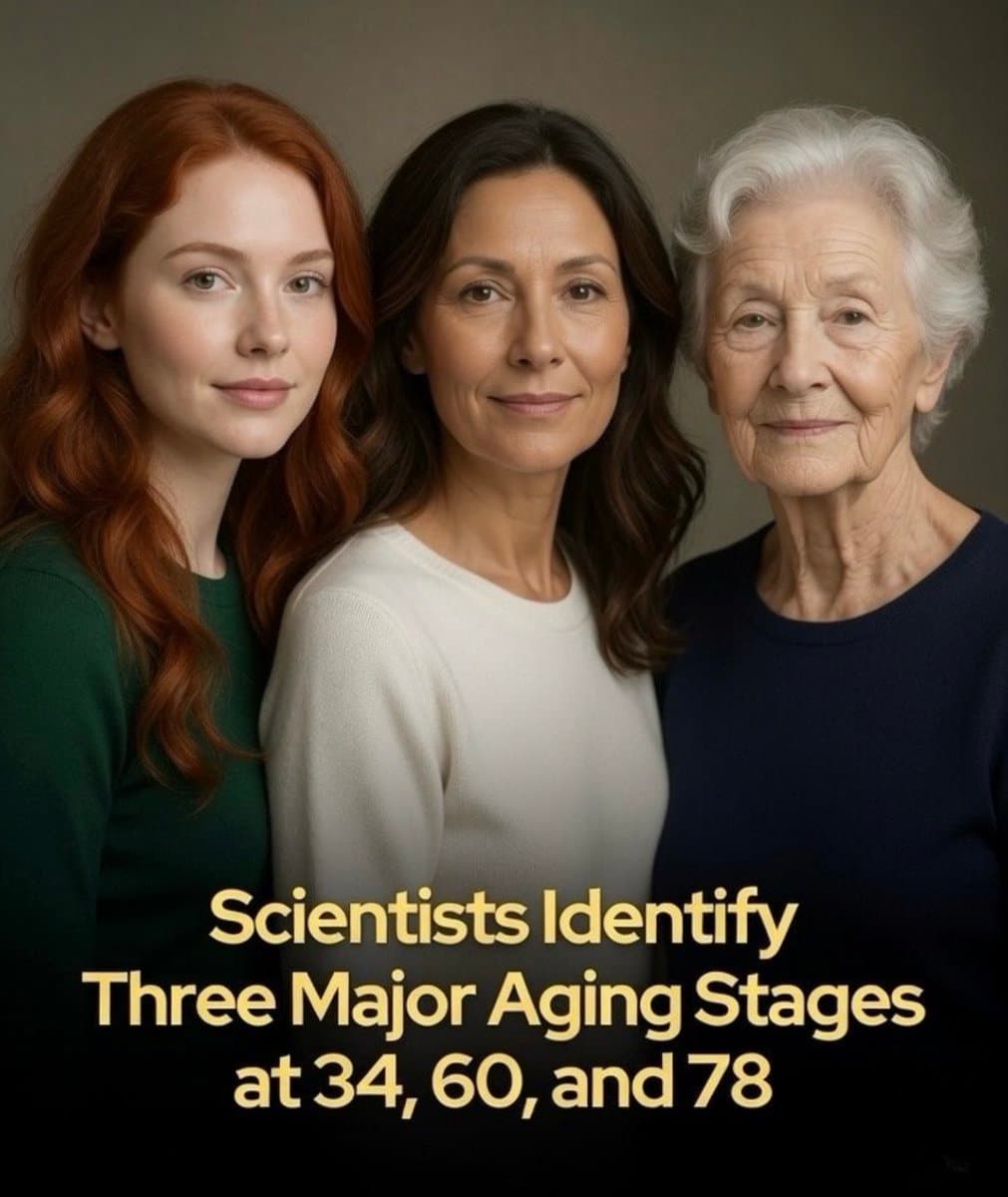
Stanford researchers found that human aging does not drift downward in one smooth line. In plasma from 4,263 people ages 18 to 95, they measured nearly 3,000 proteins and saw the biggest shifts cluster in three distinct waves centered around ages 34, 60 and 78.
The study, led by Benoit Lehallier and Tony Wyss-Coray and published in Nature Medicine on Dec. 5, 2019, gives the clearest protein-level evidence yet that aging may move in bursts. About two-thirds of the age-related proteins changed differently in men and women, underscoring that the biology does not map neatly onto a single clock for everyone.
One subset of 373 proteins stood out as a practical tool: it could predict age within a range of a few years in both sexes. People whose protein signatures made them look biologically younger than their chronological age also tended to do better on cognitive and physical tests, tying the blood signal to function rather than just a number on a chart.

The later waves carried more troubling cargo. Proteins previously linked to cardiovascular disease and Alzheimer’s disease showed up in the 60-year and 78-year peaks, a pattern that makes the shifts relevant for risk stratification well before symptoms appear. That is where the work starts to matter for diagnostics and preventive care: a protein-based clock can help flag who is aging faster, and the disease-linked proteins can point to where the risk is concentrated.
Wyss-Coray said the protein changes may not only characterize aging but could possibly help cause it. Stanford later described the process as more herky-jerky than gradual, and the lab’s next studies pushed the same idea across the body. In 2023, Stanford-led work in Nature used almost 5,000 proteins in blood plasma from more than 5,600 people to estimate the biological age of 11 organs, finding that nearly 20% of people showed accelerated aging in one organ and fewer than 2% in more than one. Faster heart aging more than doubled the risk of heart failure over the next 15 years.
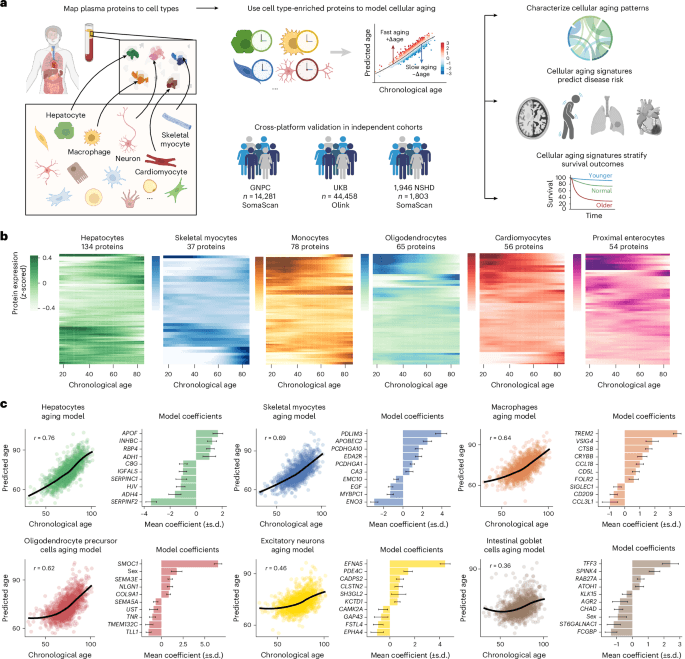
A 2024 Stanford Medicine study then reported biomolecular shifts around ages 44 and 60 across many molecules and microbes. Taken together, the studies point to nonlinear transitions, not a slow uniform slide, which is exactly why protein clocks are moving from curiosity to a serious clinical signal.
This article was produced by Prism’s automated news system from verified source data, official records, and press releases, then run through automated quality and moderation checks before publishing. The system is built and supervised by the people who set the standards it runs under. Read our full AI policy.
Did this article answer your question?