Protein takes center stage in restaurant menu innovation
Protein is no longer an add-on. Chains are building breakfasts, bowls, sandwiches, and bundles around it to sell satiety, comfort, and value.

Protein has moved from a side note to the spine of menu strategy. The clearest sign is not one product, but the spread of protein-led items across breakfast, bowls, sandwiches, wraps, and even beverages, with chains using it to drive traffic across more than one daypart. What used to read like a nutrition cue now functions like menu architecture: a way to build a meal, set a price point, and make the order feel substantial before the first bite.
Protein as the new menu framework
Restaurant Business’s June 24 menu tracker captured the shift in real time: Chick-fil-A is testing a Protein Scramble Bowl, Pokeworks has a High-Protein Surf & Turf Bowl, Qdoba has added Spicy Tequila Lime Steak, Arby’s has leaned into Angus Cheesesteak, and Zaxbys has kept chicken at the center of its limited-time cadence. The same tracker also pointed to Smoothie King’s use of protein flatbreads and to beverage items increasingly being built with protein cues. That mix matters because it shows how operators are no longer treating protein as a special request for gym-goers, but as a mainstream ordering trigger for anyone looking for a filling meal.
Datassential puts hard numbers behind that menu expansion. Protein appears on 31.5% of U.S. menus and has grown 169% over four years, while 66% of consumers say they are interested in high-protein foods and beverages. Circana’s National Eating Trends data says protein remains the number-one item consumers want to increase in their diets, and that interest cuts across all dayparts. The takeaway is straightforward: protein is not just showing up more often, it is showing up at breakfast, lunch, dinner, and between meals.
Breakfast is where the play gets clearest
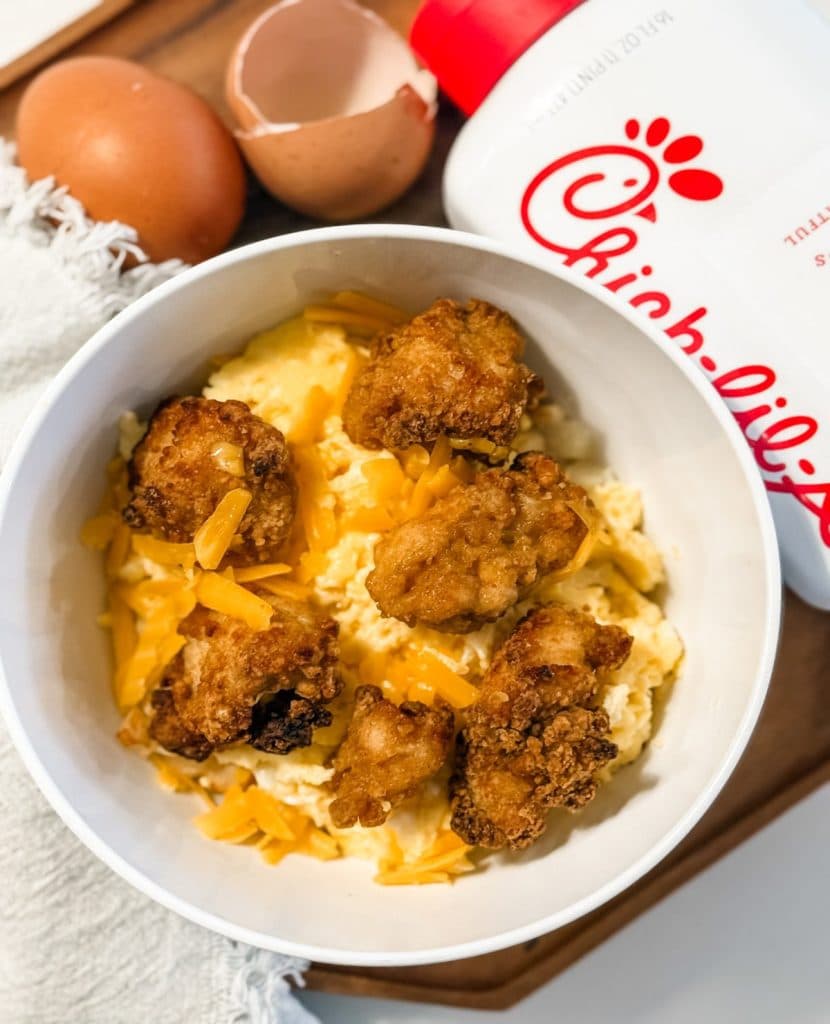
Chick-fil-A’s Protein Scramble Bowl test shows how far breakfast has evolved from simple add-ons. The limited-time test runs from June 8 through early fall in participating restaurants in the Louisville, Kentucky; Lexington, Kentucky; Columbia, South Carolina; and Chattanooga, Tennessee areas, and the bowl is built around eggs, a Monterey Jack cheddar blend, and a choice of Chick-fil-A Nuggets, bacon, sausage, a Grilled Breakfast Filet, or Spicy Chicken Breakfast Filet. It does not include hash browns, which tells you exactly where the chain is drawing the line: this is a protein-forward breakfast bowl, not a hash brown vehicle with a little extra meat on top.
The distribution also matters. Chick-fil-A is making the item available for dine-in, pickup, and delivery through the app or online, but not as a rewards redemption during the test. That is a practical signal, because it lets the chain learn whether the bowl can pull breakfast traffic on its own while keeping the offer focused on trial and purchase behavior rather than discount mechanics.

Bowls are becoming the cleanest protein format
Pokeworks took the bowl format one step further with its High-Protein Surf & Turf Bowl, a limited-time launch that began June 16 and delivers 44 grams of protein and 10 grams of fiber. The build includes ahi tuna, chicken breast, avocado, surimi salad, double edamame, greens, and chilled ramen noodles, which is a useful template for how operators are pairing protein with fullness cues instead of just piling on more meat. The 10 grams of fiber is not a throwaway detail either, because it gives the bowl a satiety story that goes beyond protein alone.
That fiber detail lines up with the next wave of wellness positioning. Datassential’s 2026 trend outlook says fiber may be the next major wellness cue after protein, and that matters because the market is starting to bundle the two together in the same order. In practical terms, that means more bowls, salads, and hybrid builds that promise both density and a better nutritional halo, rather than a single-minded protein count.
Lunch and dinner are leaning into comfort, not just macros
Qdoba’s June 16 launch of Spicy Tequila Lime Steak shows how chains are using protein to refresh familiar formats without making the meal feel clinical. The seasonal flame-grilled steak can be ordered in burritos, bowls, and more, and the chain paired it with Churro Chips and a new rewards push. That is classic menu engineering: one protein platform, multiple dayparts, plus a sweet-salty side that makes the order feel like a bundle rather than a bare macro play.
Arby’s went even more clearly toward indulgence with the Angus Cheesesteak, added to its permanent menu on June 23, 2026. The sandwich uses seasoned, thinly shaved 100% Angus steak and melted cheese, and the chain backed the launch with a 100,000-offer giveaway for Rewards members starting June 17. This is not a diet item dressed up in steak language. It is a premium-meat move, using protein to support a richer, more craveable sandwich and to justify permanence instead of a short-lived test.
Chicken chains are turning protein into a pipeline
Zaxbys is a good example of how protein becomes a core innovation lane rather than a one-off feature. The chain rolled out Giant Chicken Finger Wraps in April 2026 and followed with a Chicken Bacon Ranch lineup on June 22, 2026, both as limited-time offers. That cadence says the protein story is not confined to one hero item, but embedded in the chain’s broader pipeline of wraps, chicken builds, and ranch-forward comfort food.
The bigger lesson is that protein can now carry different jobs at once. In one format, it signals breakfast satiety. In another, it supports a premium steak sandwich. Elsewhere, it becomes the basis for a bowl that also leans on fiber, or a wrap that feels portable enough for lunch on the move. That versatility is why it keeps showing up across chains with very different brands and price tiers.
What operators are really selling
Tyson Foodservice says protein has moved from a niche diet trend to mainstream dining, helped by growing attention to satiety, muscle support, nutrient density, and GLP-1 medications. That framing matches what is happening on menus: operators are using protein as a traffic driver, but they are also using it to sell value, convenience, and a feeling of being well-fed. A high-protein menu item is now as likely to be about comfort and fullness as it is about health signaling.
That is the real shift. Protein is no longer a garnish on the menu strategy, it is the strategy itself, shaping what gets launched, what gets bundled, and what gets promoted as worth the order.
This article was produced by Prism’s automated news system from verified source data, official records, and press releases, then run through automated quality and moderation checks before publishing. The system is built and supervised by the people who set the standards it runs under. Read our full AI policy.
Did this article answer your question?