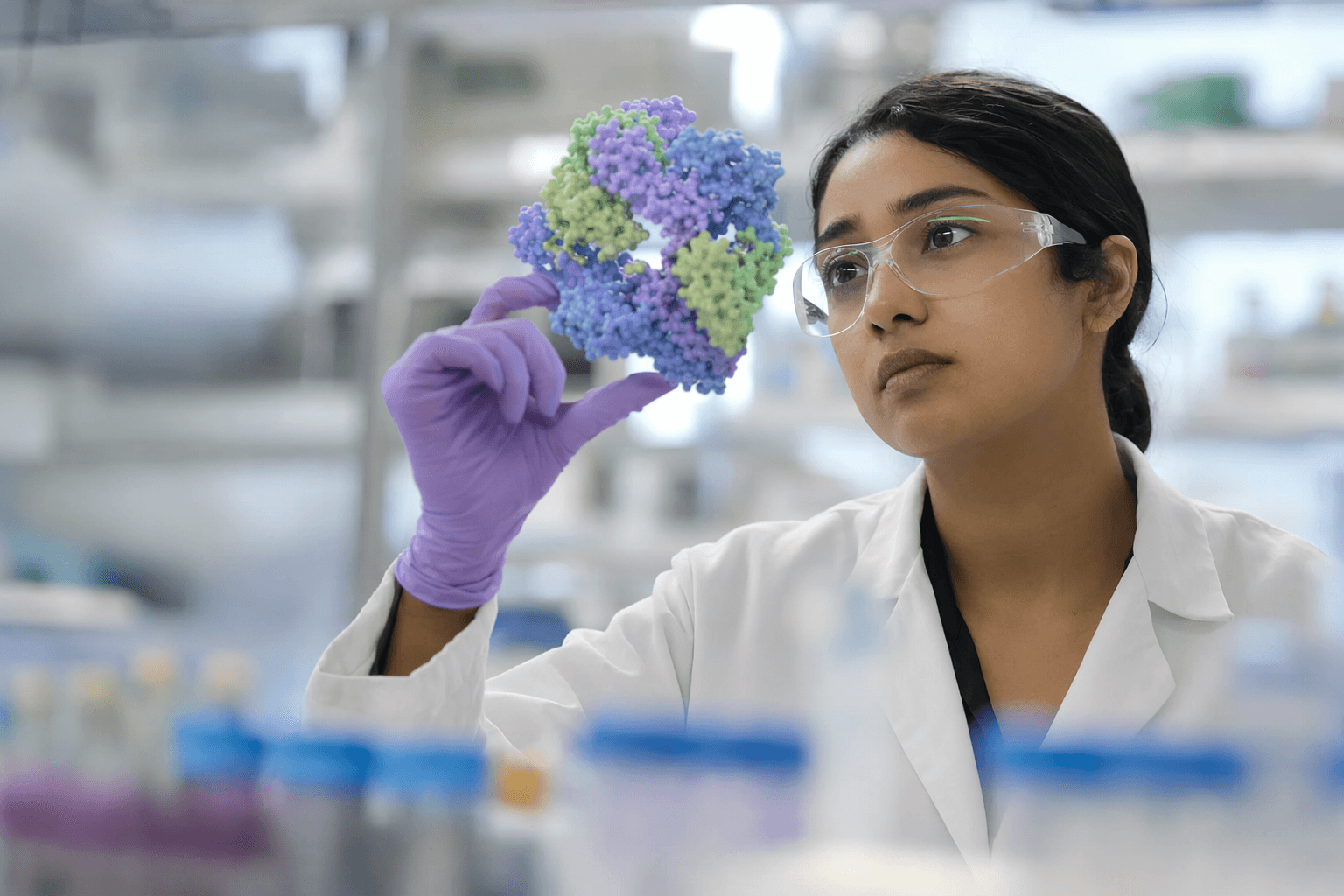
Redwire sends protein samples to ISS to study microgravity crystallization
Two protein modules rode Northrop Grumman’s CRS-24 cargo flight to the ISS, where Redwire will use microgravity to grow cleaner crystals for drug design.
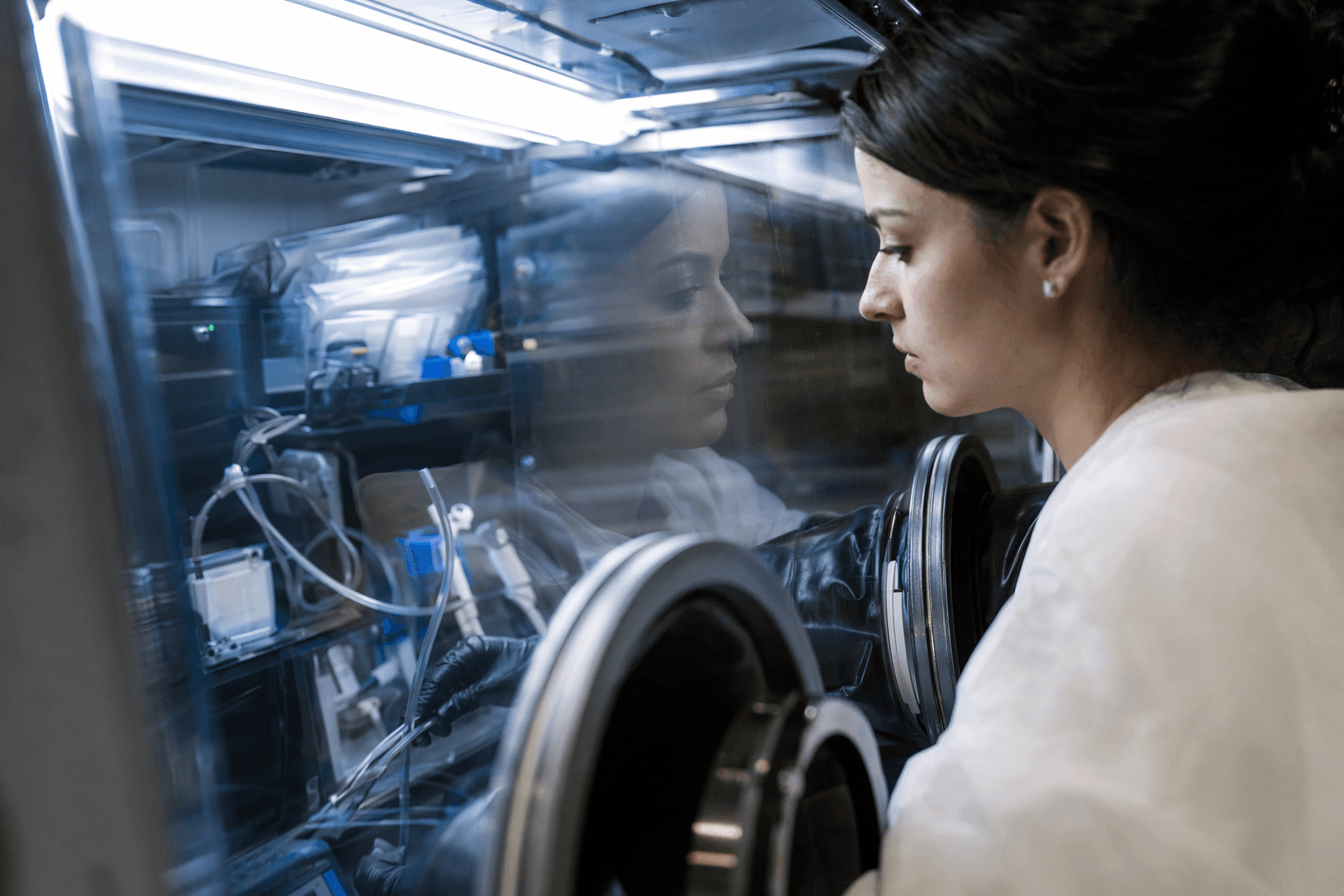
Redwire has pushed two new protein samples into orbit to see whether microgravity can produce the kind of cleaner crystal structures drug developers want but rarely get on Earth. The company said the new COLIS cell modules launched on April 11, 2026, aboard NASA’s Northrop Grumman Commercial Resupply Services 24 mission to the International Space Station, where they will be used to study how proteins crystallize without gravity interfering.
That matters because the value of protein crystallization is not the spectacle of growing crystals in space. It is the data those crystals can reveal. NASA has said that for more than two decades the station has supported protein crystal growth experiments and that scientists quickly found space-grown crystals could be more uniform and larger than crystals formed in Earth’s gravity. For drug discovery, that kind of structural clarity can sharpen target identification, improve model quality, and help researchers understand how a molecule actually behaves.
The new payload extends a platform Redwire has been building with a broader pharmaceutical agenda in mind. COLIS has been operating on the ISS since August 2024 and was developed by Redwire for the European Space Agency as an optical laboratory for colloids, where gravity does not blur what the samples are doing. Redwire’s COLIS blog shows the program has already included a colloidal glass sample launched on August 4, 2024, a protein solution sample launched on August 24, 2025, and a gel sample launched on the same date, making the latest flight part of a sequence rather than a one-off experiment.
The strongest case for ISS crystallization is for proteins that are stubborn on Earth, the ones that tend to form small, flawed, or inconsistent crystals under normal gravity. Those are exactly the structures that can frustrate researchers trying to pin down a binding pocket or understand why a target behaves one way in one assay and another way in a living system. In microgravity, the hope is that the crystals grow more evenly, giving scientists a better shot at seeing the molecular geometry that drives disease and drug response.

Redwire has been linking that science to a larger commercial program. On March 11, 2026, NASA awarded the company an additional $4 million to support new drug development investigations using PIL-BOX, following Redwire’s March 25, 2025 announcement that NASA had awarded four additional pharmaceutical drug investigations on the ISS. Redwire said PIL-BOX had 28 units flown and processed as of that March update, and its first spaceflight mission with Eli Lilly and Company was aimed at studying heart disease and diabetes.
The business question is whether the structural gains justify the cost and operational complexity. Earth-based crystallization remains faster, cheaper, and easier to scale. But for proteins that resist conventional methods, the station still offers something rare: a way to strip away gravity’s distortions and return a more usable picture of the molecule itself.
Know something we missed? Have a correction or additional information?
Submit a Tip