Starbucks helps make protein coffee mainstream, as demand surges
Protein coffee is moving from gym hack to default café order, and Starbucks is making that shift feel normal. The new playbook is energy plus nutrition, not energy alone.
Protein becomes part of the coffee occasion
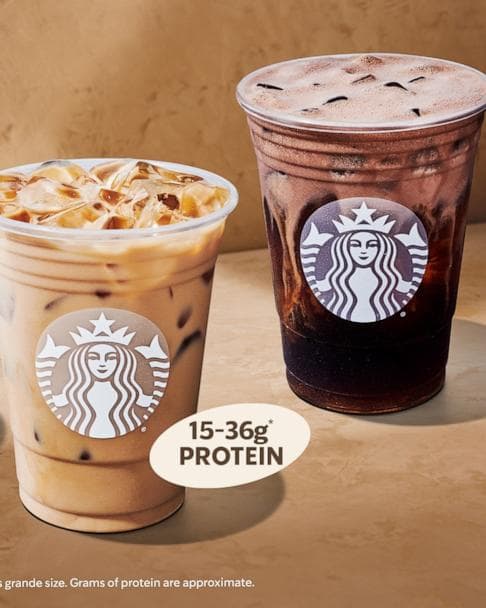
Starbucks has stopped treating protein like a side quest. With Protein Lattes and Protein Cold Foam now built into the U.S. and Canada menu, the chain is framing protein as part of the coffee ritual itself, not just an add-on for fitness regulars. The drinks deliver roughly 15 to 36 grams of protein per grande, and Starbucks says customers can add protein to nearly any beverage through protein-boosted milk or protein cold foam.
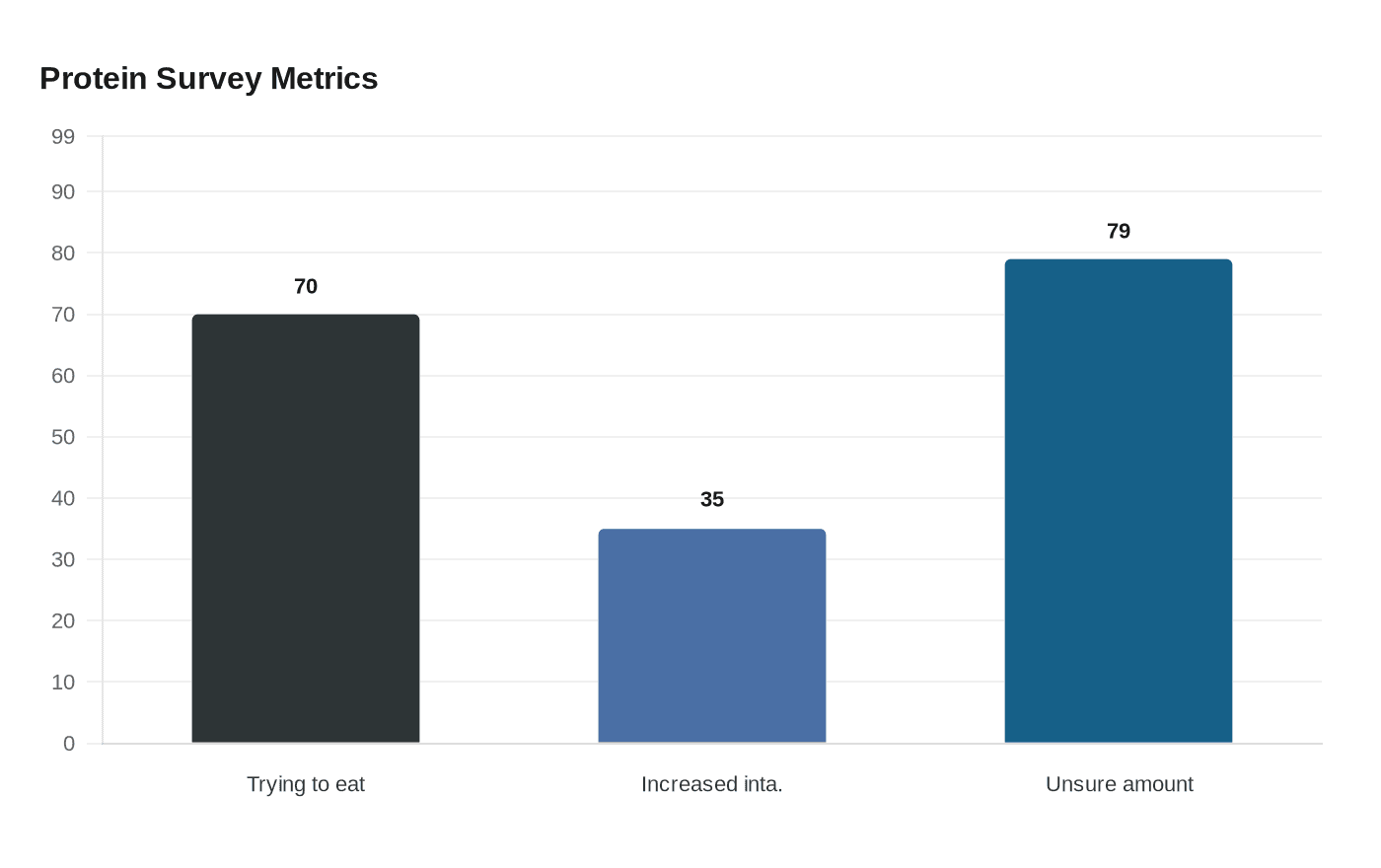
That move lands in a market where protein already has unusual cultural momentum. Starbucks points to 70% of Americans saying they are trying to consume protein, while the International Food Information Council’s 2025 survey found 35% of Americans increased their protein intake over the prior year. At the same time, IFIC says 79% are either unaware or unsure how much protein they should consume daily, which makes a familiar coffee order an easy way to add nutrition without forcing people to build a supplement routine from scratch.
Why Starbucks matters more than a menu tweak
The reason this matters is not just the protein count, it is the platform. Starbucks has spent years turning cold foam into one of its most valuable customizations, and the company said cold foam sales rose 23% year over year before protein entered the picture. Protein was layered onto a behavior customers already had, which is why the chain can turn a modifier into a traffic driver instead of launching an entirely new category from zero.
That is also why the daypart data is so telling. Starbucks says customers across U.S. company-operated coffeehouses buy the most Protein Drinks on Fridays at 8 a.m., a pattern the company calls Protein Power Hour. The Vanilla Protein Latte leads Friday morning orders, while Protein Cold Foam remains the top customization, adding 15 grams of protein. In other words, protein is no longer sitting off to the side as a niche health request. It is being folded into the morning beverage decision, right where chains make their most important repeat-visit bets.
The format itself helps explain the appeal. Starbucks says a grande protein beverage with Protein-boosted Milk delivers 27 to 36 grams of protein, while iced beverages with Protein Cold Foam on the permanent menu offer about 19 to 26 grams. That is enough to make the drink feel less like a coffee with a perk and more like a snack bridge or light meal replacement, especially for customers moving from breakfast to work or from a workout to the rest of the day.
The chain-wide protein wave is widening
Starbucks is not alone in reading the room. Dunkin’ launched Protein Milk in January 2026 and positioned it as a simple way to add protein to the drinks guests already order, with no new routine required. Peet’s Coffee went in a similar direction a year earlier, introducing a Vitality Menu with protein-containing lattes in January 2025 and later detailing protein-forward drinks such as Vanilla Protein Latte, Golden Protein Latte, and Matcha Protein Latte.
Peet’s is especially useful as a comparison because it shows how the category is broadening beyond pure caffeine. The company’s functional-beverage playbook also includes immunity and hydration, which suggests protein is becoming part of a wider menu language around wellness, satiety, and everyday usefulness. Starbucks is using a similar logic at far larger scale: one familiar base, multiple functional finishes, and a menu that can flex without losing its identity.
What consumers are really buying now
IFIC’s data helps explain why this is sticking. Its 2025 survey says protein interest is being driven by media attention, fitness, energy, weight management, GLP-1 medications, and healthy aging. That is a broad enough set of motivations to support morning coffee, post-workout recovery, and even midday appetite management, which is exactly the kind of versatility chains want when they are trying to grow traffic across more than one occasion.
For consumers, the upside is convenience. Protein coffee lets people get a meaningful dose of protein from a purchase they already make habitually, while still keeping the sensory pleasures that make café drinks feel rewarding. For operators, the opportunity is just as clear: protein creates a premium story, a customization story, and a reason to keep visiting, all without blowing up the core coffee menu. Starbucks has been explicit that this is part of its menu-modernization strategy, which is industry language for making the familiar feel current enough to justify another stop.
The deeper shift is simple: coffee is no longer being sold as just a stimulant. Starbucks, Dunkin’, and Peet’s are helping turn it into a functional delivery system for protein, and that changes what a morning order can mean. If the old promise was energy alone, the new expectation is energy plus something useful, and that is a much bigger business than a novelty trend.
This article was produced by Prism’s automated news system from verified source data, official records, and press releases, then run through automated quality and moderation checks before publishing. The system is built and supervised by the people who set the standards it runs under. Read our full AI policy.
Did this article answer your question?