Studies link high animal protein intake to poorer healthspan, longevity gains
USC researchers linked a low-protein, plant-and-fish diet to longer healthy lifespan in mice, while human data tied a more plant-focused pattern to less obesity and type 2 diabetes.

A plant- and fish-based, low-protein longevity diet supplemented with methionine increased healthy lifespan and reduced fat mass and frailty in mice. The University of Southern California Leonard Davis School of Gerontology published the work on June 23, 2026. The study tested whether amino acid mix and protein source matter as much as total protein.
The team also analyzed health data from more than 200,000 people and found similar advantages for a more plant-focused diet, including less obesity and type 2 diabetes. A largely vegan or vegetarian diet with fish added produced the strongest outcomes. Amino acid composition, not just total protein, is a key target for metabolic intervention. Longo linked a single amino-acid change to dramatic metabolic changes.

On April 14, 2026, the American Medical Association's new Health vs. Hype podcast addressed the protein-maxxing trend. Thomas Holland said protein does not automatically build muscle unless it is paired with resistance training. Weight-loss goals can often be met in better ways.
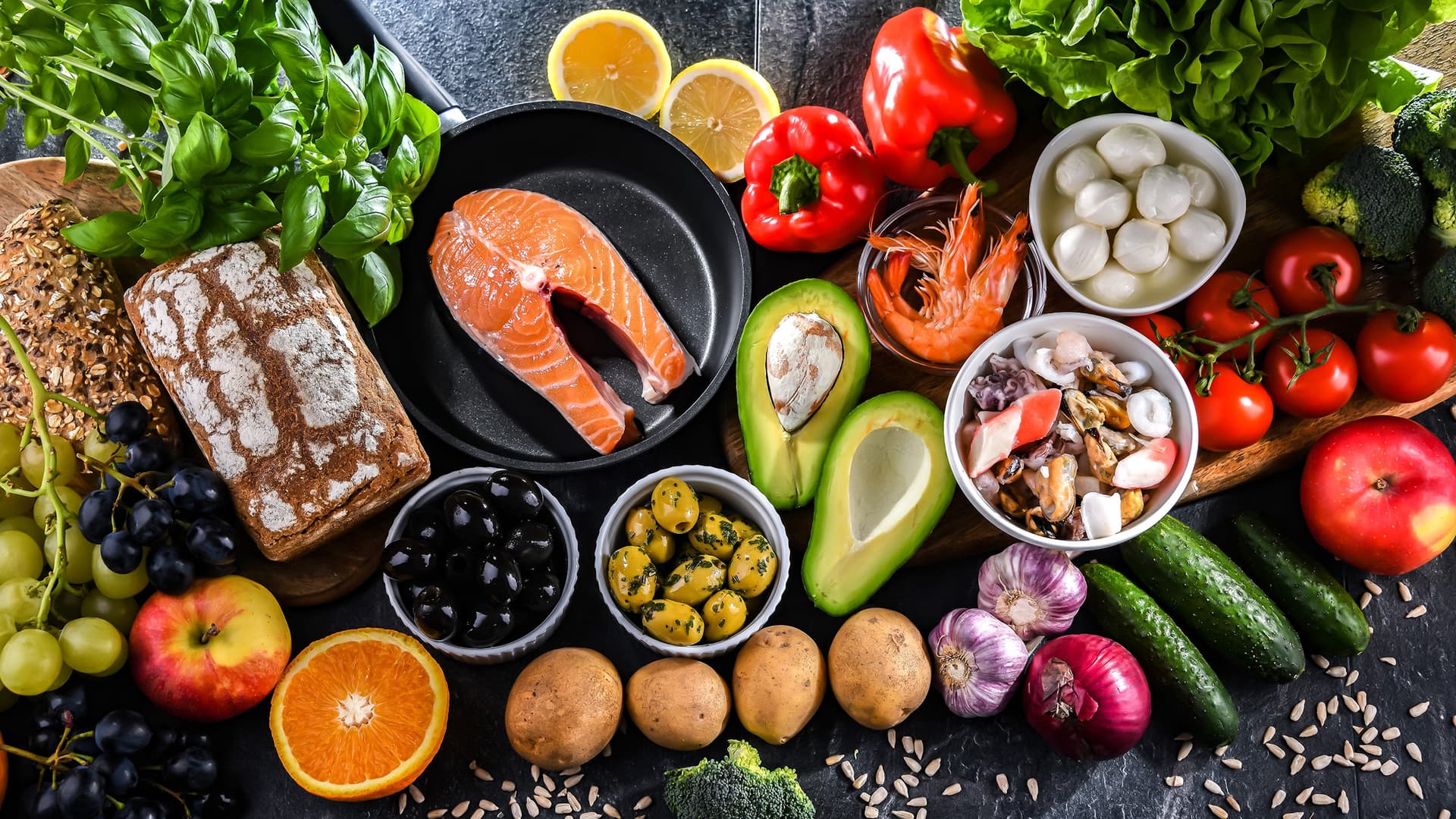
The 2025 Dietary Guidelines Advisory Committee Scientific Report was submitted to the U.S. Department of Health and Human Services and the U.S. Department of Agriculture in December 2024, and it recommended increasing plant-based sources of protein while reducing red and processed meat. The final Dietary Guidelines for Americans 2025-2030 were expected in late 2025. A 2025 review in the American Journal of Clinical Nutrition found no compelling evidence in otherwise healthy humans for a proven upper safety limit where protein harms are demonstrated. A 2025 Nature review said protein restriction has long been associated with longer lifespan and better metabolic health in animal models, and a May 22, 2025 open-access Nature Communications study found high protein intake shortened lifespan and accelerated aging in progeroid, DNA repair-deficient mice.
This article was produced by Prism’s automated news system from verified source data, official records, and press releases, then run through automated quality and moderation checks before publishing. The system is built and supervised by the people who set the standards it runs under. Read our full AI policy.
Did this article answer your question?