Study maps three phases for microbial proteins to reach mainstream food use
A Nature Communications Perspective splits microbial protein adoption into novelty, trust-building and normalisation, arguing cost and regulation still block the jump to scale.
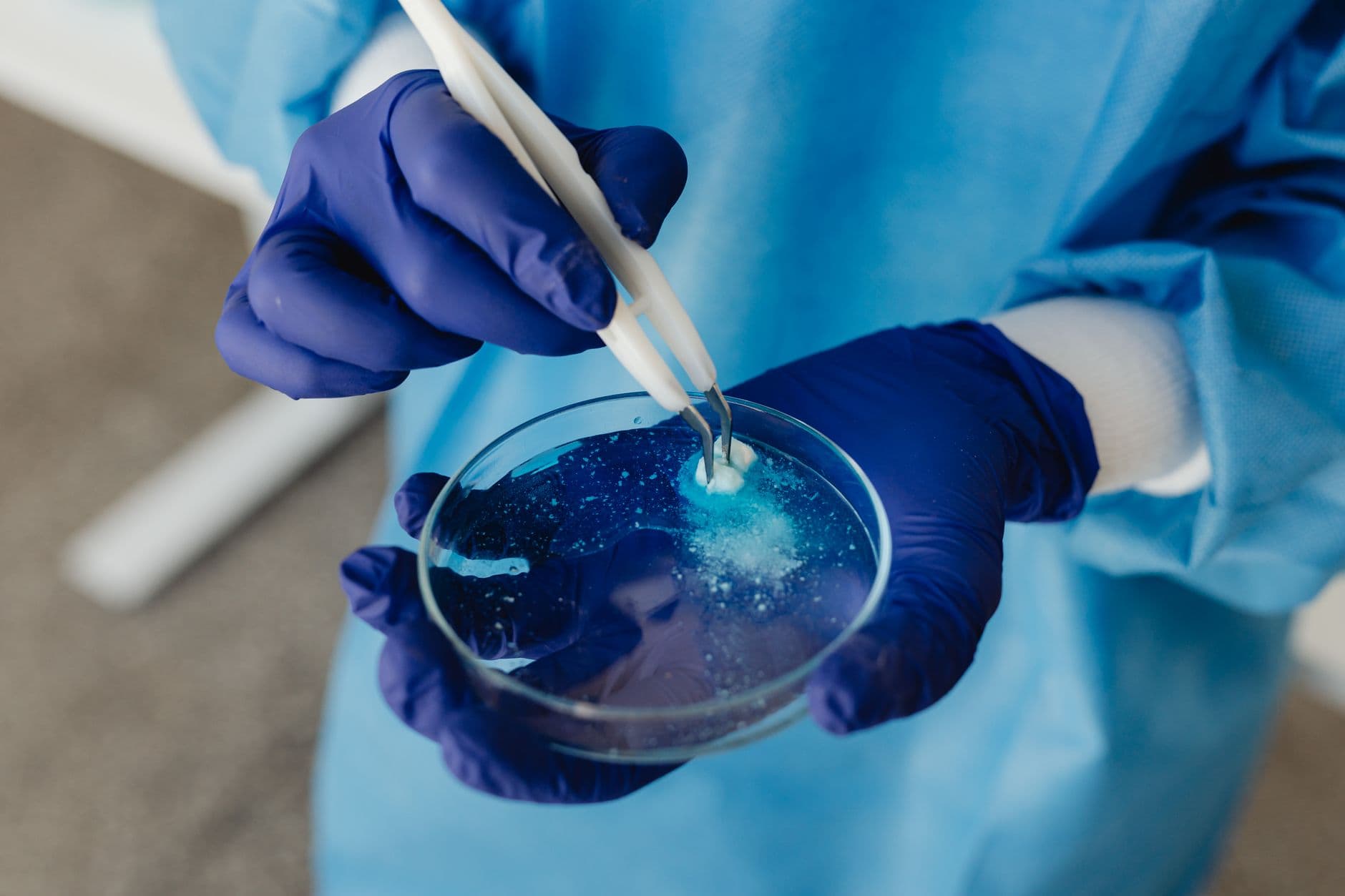
Microbial proteins have spent decades looking like the neat answer to a messy food-system problem: make nutrient-dense protein with far less land, water and greenhouse-gas use. The hard part has never been the idea. It has been getting biomass fermentation out of the specialty aisle and into ordinary eating habits, industrial supply chains and food-company balance sheets.
A Perspective published June 10, 2026, in Nature Communications lays out the clearest case yet for why that transition has stalled. Written by Rima Gnaim, Hakimi Kassim, Lisa Neidhardt, Thomas Gassler and Rodrigo Ledesma-Amaro of Imperial College London, the paper argues that microbial proteins need a phased adoption roadmap, not another round of pure technology optimism. The authors frame the path in three stages: novelty barrier, early trust-building and mainstream normalisation.
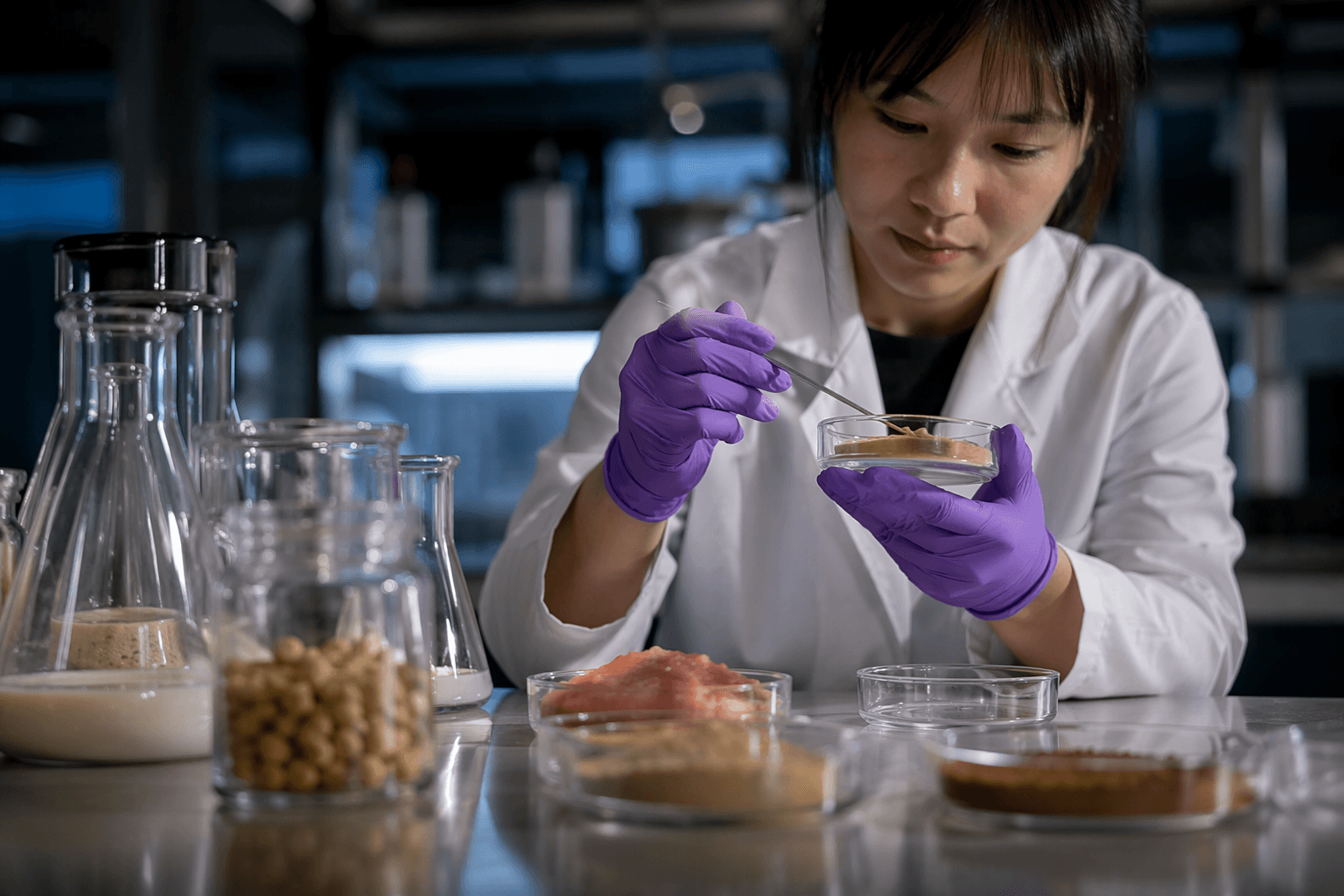
That sequence matters because the obstacles are not just technical. The paper says the field is still running into techno-economic pressure, regulatory uncertainty, infrastructure gaps and consumer-psychology hurdles at the same time. In other words, a fermentation tank can work in the lab and still fail in the market if the product is too expensive, the rules are unclear, the factory network is missing, or shoppers do not know what to make of it.
The authors trace a familiar arc in single-cell proteins: rise, decline and resurgence. Quorn, the landmark mycoprotein product, launched commercially in 1985, and earlier concern over a global protein shortage helped push interest in single-cell protein research decades ago. That history gives the current moment extra weight, because the sector has already lived through the cycle of big promise, uneven adoption and periodic disappointment.
What distinguishes this paper is its systems-level view. Instead of stopping at process efficiency or bioreactor performance, it treats adoption as a chain of linked milestones. Novelty has to give way to familiarity. Familiarity has to become trust. Trust then has to be backed by the economics, regulation and infrastructure needed for scale.
That is a more practical roadmap than the usual future-food hype. Microbial biomass fermentation may offer one of the most scalable routes to sustainable protein production, but the study makes the case that mainstream food use will depend on solving the unglamorous problems first, not the headline-grabbing ones.
This article was produced by Prism’s automated news system from verified source data, official records, and press releases, then run through automated quality and moderation checks before publishing. The system is built and supervised by the people who set the standards it runs under. Read our full AI policy.
Did this article answer your question?